

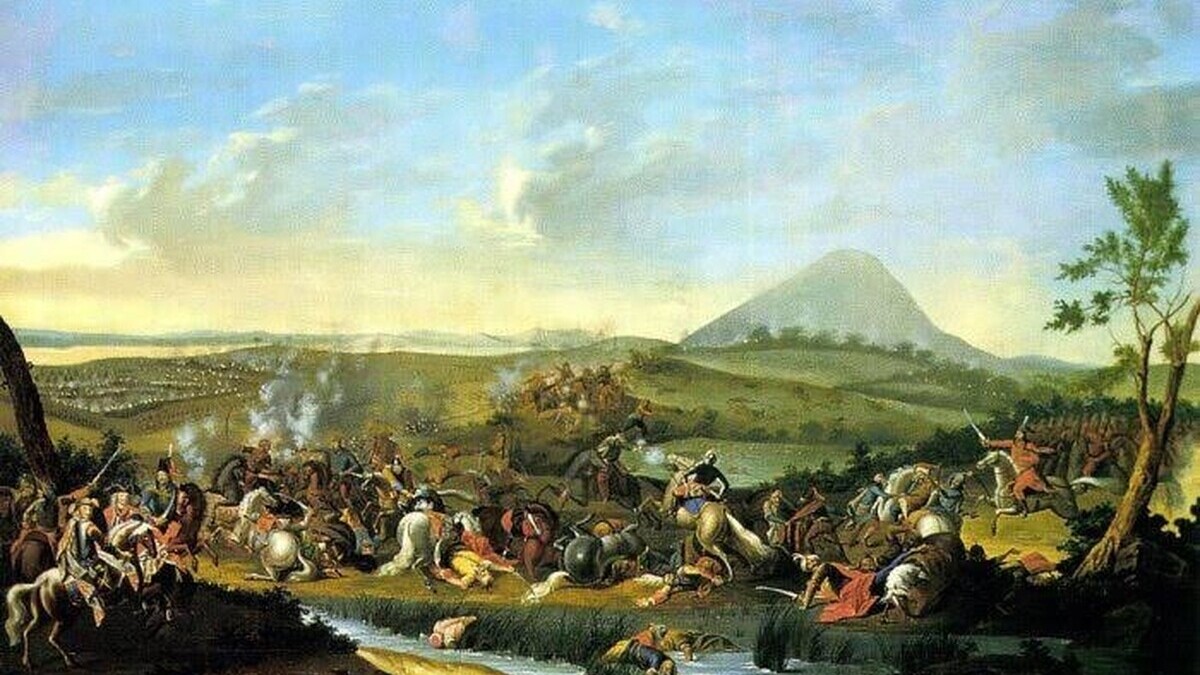
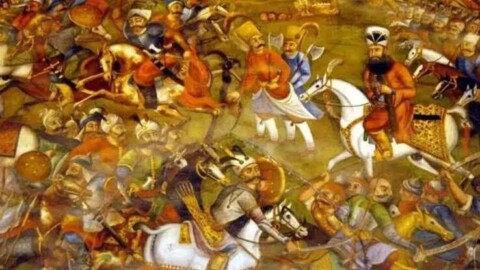
On August 29, 1526, the Ottoman Sultan Suleiman the Magnificent crushed the army of the Kingdom of Hungary, commanded by the young King Louis II, at the Battle of Mohács, a confrontation that marked the height of the Ottoman Empire and the end of Hungarian independence for nearly four centuries.
A preemptive expedition against Jagiellonian Hungary
Succeeding his father Selim I since 1520, Suleiman II embarked on an ambitious policy of conquest at the age of 25, seizing Rhodes and then asserting his dominance over the eastern Mediterranean. Fearing the growing influence of Charles V, newly elected head of the Holy Roman Empire, the sultan forged a counter-alliance with King Francis I of France before launching a preemptive expedition against Hungary, ruled by the young King Louis II Jagiellon, then only twenty years old, whose kingdom was caught between the Ottoman possessions in the Balkans and those of the Habsburgs.
Leaving Constantinople in April 1526 at the head of an army of 60,000 to 100,000 men, Suleiman seized the strategic fortress of Peterwardein in July, opening the way to the heart of the Hungarian kingdom.
A defeat that cost the King of Hungary his life
Louis II managed to muster only 20,000 to 26,000 men, placed under the command of the Archbishop of Kalocsa, to confront the Ottoman troops on the battlefield of Mohács. The courageous attack of the Hungarian cavalry was quickly broken by the Ottoman artillery, before the infantry were swept aside by the Janissaries and forced to flee into the marshes. Louis II himself drowned with his horse during this debacle.
This victory led, in the following months, to the partition of Hungary between the Ottoman Empire, the Habsburg rulers of Austria, and the principality of Transylvania, plunging the country into a succession struggle that would only end with the Habsburg reconquest at the end of the 17th century. The Hungarians have since retained a famous saying from this episode: "We've seen worse in Mohács."



Community
Comments
Write a comment
Be the first to comment on this article.