Nearly two months after the spectacular koi carp theft in Cauffry, Oise, the investigation has taken a decisive turn. Four people were arrested earlier this week, including a father and son, as part of the investigation into the disappearance of approximately 230 fish during the night of July 30-31. The loss was estimated at around €83,000 by Aqua Koï, a company specializing for many years in Japanese koi and pond design. The suspects were brought before a judge on Thursday for immediate trial, but their hearing was ultimately postponed until November 23. The case had caused a particular stir locally due to the scale of the theft, as the perpetrators used at least two vans identified through CCTV footage.
Investigators then conducted extensive checks, particularly by examining phone records, to trace the theft back to the four individuals suspected of involvement. The search also led to the location of some of the stolen fish. Several carp were reportedly transferred to recreational fishing ponds in Soupir, Aisne, and Waben, Pas -de-Calais . These ponds are rented to anglers for day or week-long sessions, suggesting that the fish may have been used to artificially inflate the appeal of these locations. The movement of hundreds of valuable carp over several hundred kilometers also indicates that the theft required significant logistical planning, especially for the transport and survival of the animals.
Some of the fish were recovered, but the retrieval was delicate.
The searches carried out during the arrests allowed the police to seize 56 koi carp, €14,800 in cash, a Citroën Jumper van, and four mobile phones. Four rifles were also discovered. The presence of these weapons is now part of the evidence being examined in the case, even though nothing at this stage suggests they were used in the robbery. The remaining fish are scattered in large ponds, which is significantly complicating their recovery. The owner of the fish farm is expected to intervene in the coming weeks to try to identify and then recover the carp that are still alive.
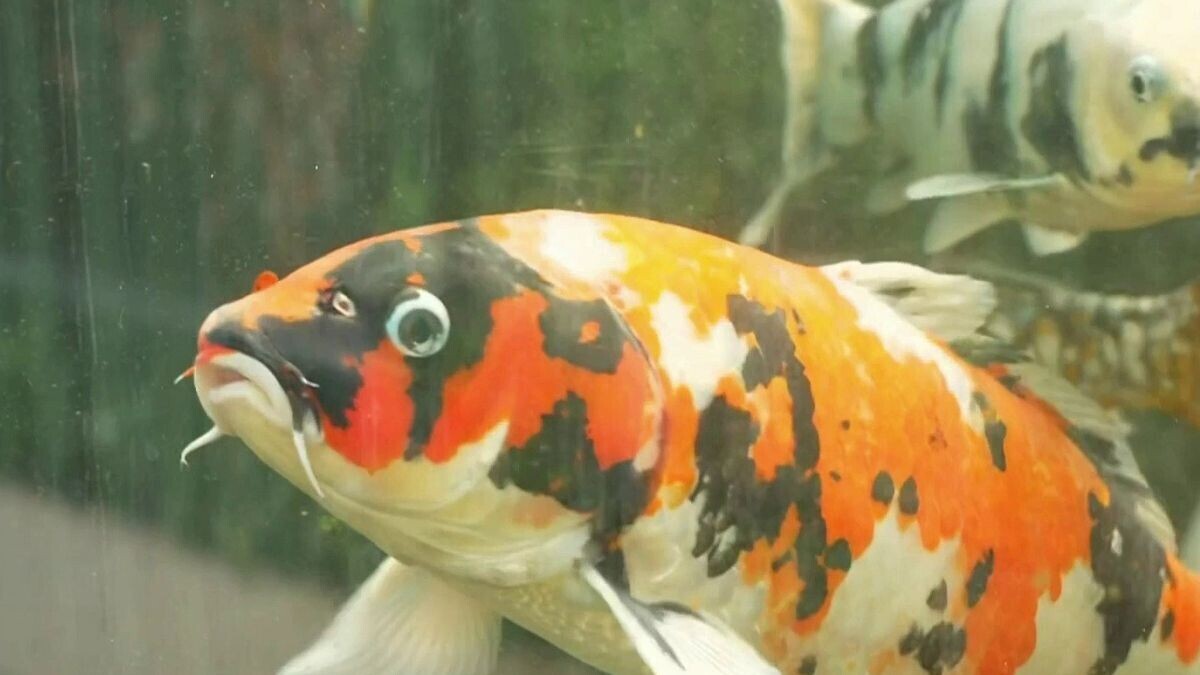
The operation promises to be difficult for another reason: koi carp are ornamental fish whose value depends heavily on the variety, size, color, age, and sometimes the Japanese origin of the fish. Some specimens can sell for several hundred, or even several thousand euros. A fish found in a pond cannot therefore always be immediately identified as coming from the stolen stock. Professionals use, in particular, scale patterns, photographs, and the physical characteristics specific to each animal to make the connection. In the case of Cauffry, the dispersal of such a large number of fish makes this step particularly lengthy.
A theft that had severely impacted a specialized company
Aqua Koï, located in the Petite Vallée area of Cauffry, specializes in Japanese koi and equipment for outdoor ponds. The summer burglary therefore represented far more than a simple loss of merchandise. For a company specializing in live animals, building up a stock can take several years of selection, importing, and breeding. The disappearance of over 230 fish was a significant blow to the company, especially since the value of the stolen fish amounted to tens of thousands of euros.
The investigation will now have to clarify the role of each of the four suspects, the exact intended destination of the fish, and the conditions under which they were distributed among the different ponds. Their court appearance has been postponed until November 23, so no criminal liability has been definitively established at this stage. The recovery of the carp will constitute another aspect of the case. Of the approximately 230 fish stolen at the end of July, only a portion has been recovered so far, leaving tens of thousands of euros worth of fish still to be found.