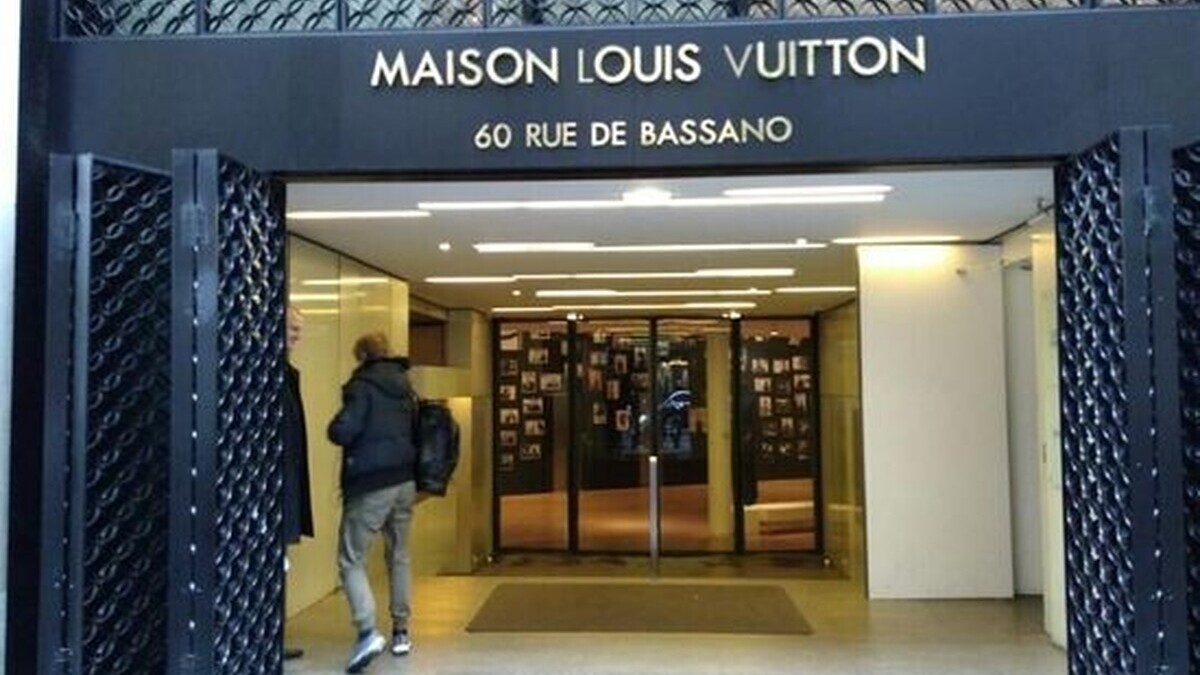
The renovation of the area surrounding the future Louis Vuitton flagship store on the Champs-Élysées is sparking controversy. The City of Paris plans to entrust the LVMH-owned fashion house with the redevelopment of sections of Rue Bassano and Rue Galilée in the 8th arrondissement. The company would fully finance the work, estimated at €2 million, including any potential cost overruns. The plan presented to elected officials stipulates that the project will be funded without any conditions attached, with the aim of improving pedestrian access.
The project includes widening the sidewalks, laying granite paving stones, and installing planters. It is based on a tender agreement between the city and Louis Vuitton Malletier, which was on the agenda for the October Paris City Council meeting. The 8th arrondissement council has already given its approval, subject to a reservation requesting that public project management be maintained. This clarification reflects a key concern: preserving municipal control over street improvements.
Private funding at the heart of the debate
Elected officials are denouncing a "privatization of public space," arguing that the intervention of a major retailer in the streets bordering its own establishment raises governance issues. The disagreement therefore concerns both the management of the construction project and its financing. Improving pedestrian areas can benefit residents and passersby, while also enhancing the commercial environment surrounding Louis Vuitton. The reservations expressed in the 8th arrondissement highlight this tension between private contribution and public responsibility.
For the municipality, this type of contribution allows it to carry out improvements without directly bearing the cost. However, budgetary savings alone are not enough to resolve questions about urban priorities. The issue raises, in particular, the question of the balance between neighborhoods capable of attracting private funding and those entirely dependent on municipal investment. Beyond these two streets, the debate concerns the City's ability to engage businesses while retaining control over the uses and transformation of public space.