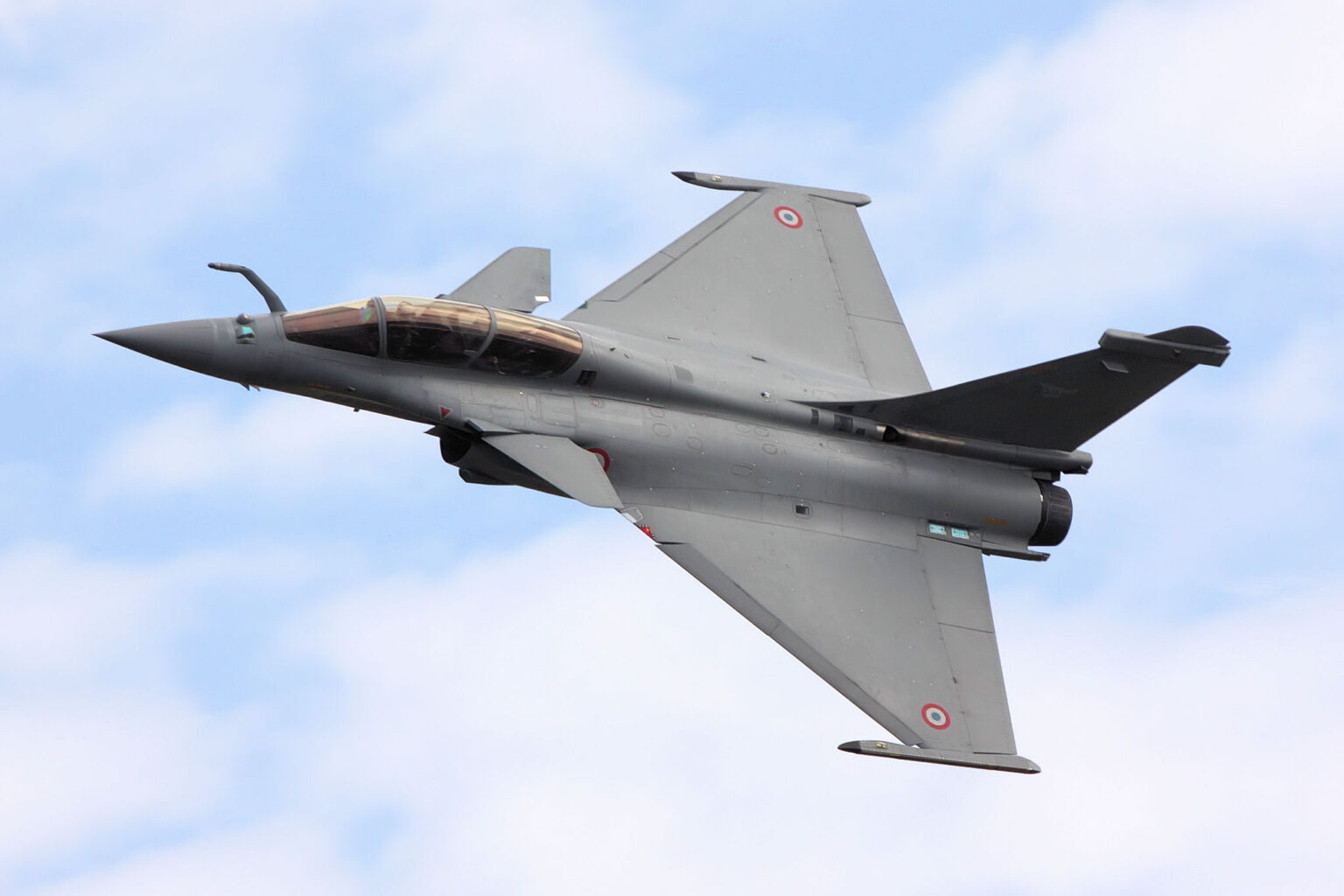
The French arms industry will achieve its "second-best performance in history" in 2024, with €21,6 billion in export orders, according to a report from the Ministry of the Armed Forces. In a context of global rearmament, spurred by the war in Ukraine, France has confirmed its position as the second-largest arms exporter behind the United States.
Rafale and submarines lead sales
Aeronautics remains the main driver (43% of exports), ahead of naval (33%) and land-based weapons (15%). The flagship contracts concern the sale of 12 Rafale jets to Serbia, 18 to Indonesia, and four Barracuda submarines to the Netherlands. Paris has also placed radars, communications systems, and missiles. With this figure, France is well above the 8,2 billion euros it will have earned in 2023, but remains below the record 27 billion euros of 2022, the year marked by the giant contract for 80 Rafale jets with the United Arab Emirates. Including orders for its own armed forces, the total rises to nearly 40 billion euros.
A shift towards the European market
While the Middle East and Asia remain traditional markets, 60% of the 2024 contracts were signed with European countries. The Netherlands leads the way (5,9 billion), ahead of Indonesia (3,56), Serbia (2,75), Iraq (1,25), and Poland (1,18). Ukraine, for its part, has ordered €907 million worth of equipment, adding to French military aid valued at €5,9 billion since 2022. To conquer these markets, Paris is banking on joint programs, such as the Caesar cannons and Mistral missiles, partly financed by the European Union.
Successes tarnished by some setbacks
The momentum does not erase certain disappointments: Naval Group lost contracts this summer in Norway (frigates) and Canada (submarines). Furthermore, deliveries to Israel, although limited (27,1 million in 2024), remain criticized by NGOs. The government reaffirms that these exports concern components intended for defensive systems or for re-export, and not to directly equip the Israeli army. In a world where military spending has jumped 9% in one year to reach $2 billion, France intends to consolidate an industry deemed essential to equipping its forces and maintaining its strategic position.