The Maltese government announced on Monday a series of tax cuts for parents with at least two children, in a bid to curb the falling birth rate among the native population.
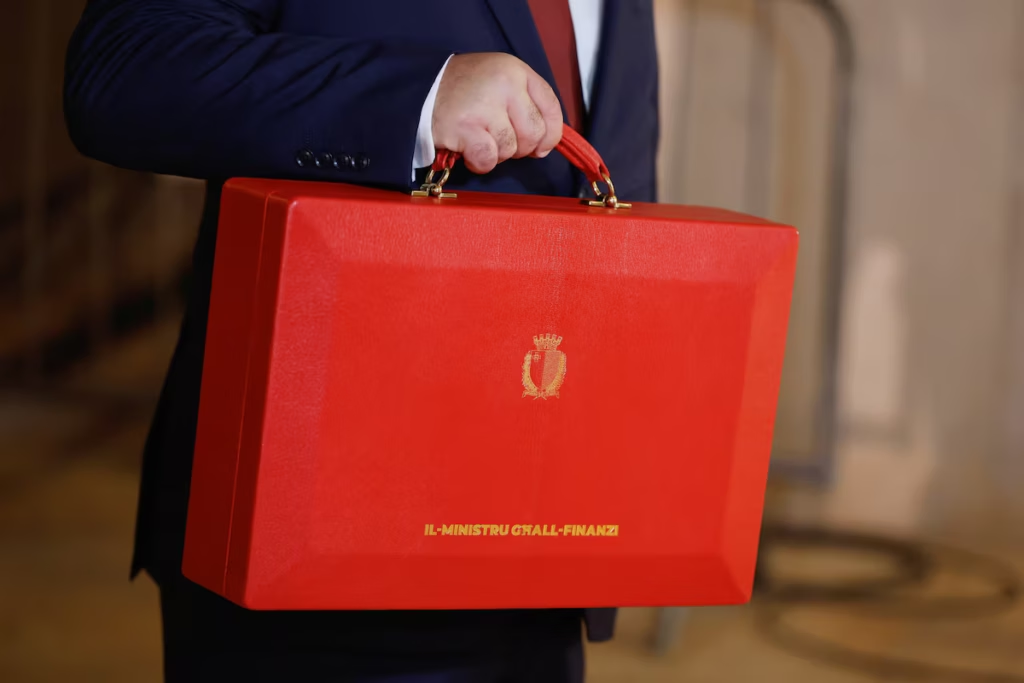
Presenting the 2026 budget to Parliament in Valletta, Finance Minister Clyde Caruana described the decline in the number of births as "the greatest national challenge" facing Malta. According to the latest data, the country's particularly low fertility rate among the Maltese population threatens the long-term sustainability of the social system and the labor market.
The new scheme provides for progressive tax breaks based on the number of children, as well as additional incentives for large families, particularly on mortgages and childcare costs. The government hopes this will encourage more couples to have children while easing financial pressure on households.
Malta, with a population of around 540,000, is increasingly relying on economic immigration to offset its aging workforce. But Prime Minister Robert Abela has stressed that the priority remains to boost the indigenous birth rate in order to preserve "the country's cultural and linguistic identity."
This measure is part of a broader strategy aimed at rebalancing population growth, after several years marked by a heavy dependence on foreign labor and a steadily declining birth rate.