Malian authorities have announced the closure of all schools and universities in the country starting Sunday due to a severe fuel shortage caused by a blockade imposed by jihadist groups around the capital Bamako.
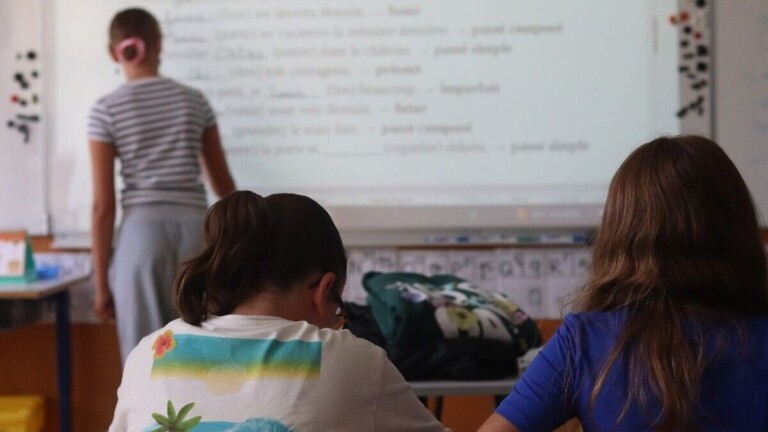
Education Minister Amadou Sy Savane said on national television that classes would be suspended for two weeks "due to disruptions in fuel supplies affecting the travel of teaching staff."
The blockade was imposed in early September by the al-Qaeda-affiliated Jama'at Nusrat al-Islam wal-Muslimin (JNIM), which banned fuel imports from neighboring countries. The move severely crippled Mali's economy, a landlocked country that relies entirely on imports for its energy needs, leaving hundreds of tanker trucks stranded at the border.
For several years, Mali, Burkina Faso, and Niger have been facing an insurgency led by armed groups linked to al-Qaeda and the Islamic State, as well as local rebels. Following successive coups in these three countries, the new military juntas expelled French forces and turned to Russian mercenary units, without the security situation improving significantly.
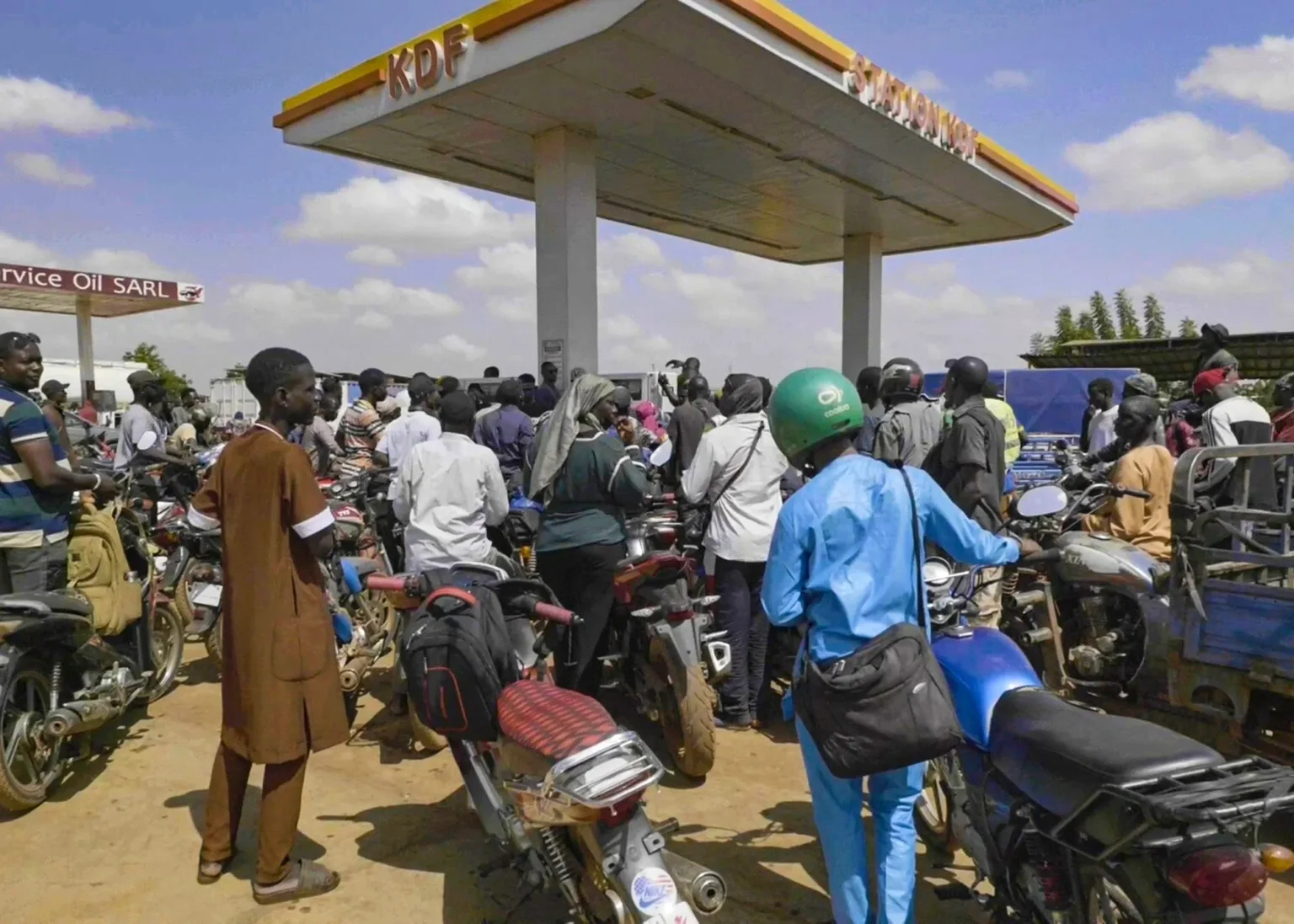
In Bamako, queues are growing at gas stations, while food and transportation prices are skyrocketing. This energy crisis represents a new setback for the junta, which justified its seizure of power in 2020 as a response to the country's chronic instability.
The Malian army attempted to escort some fuel trucks from border areas to the capital, but several convoys were attacked en route. The education minister assured that authorities were "doing everything possible" to restore deliveries before the scheduled resumption of classes on November 10.