

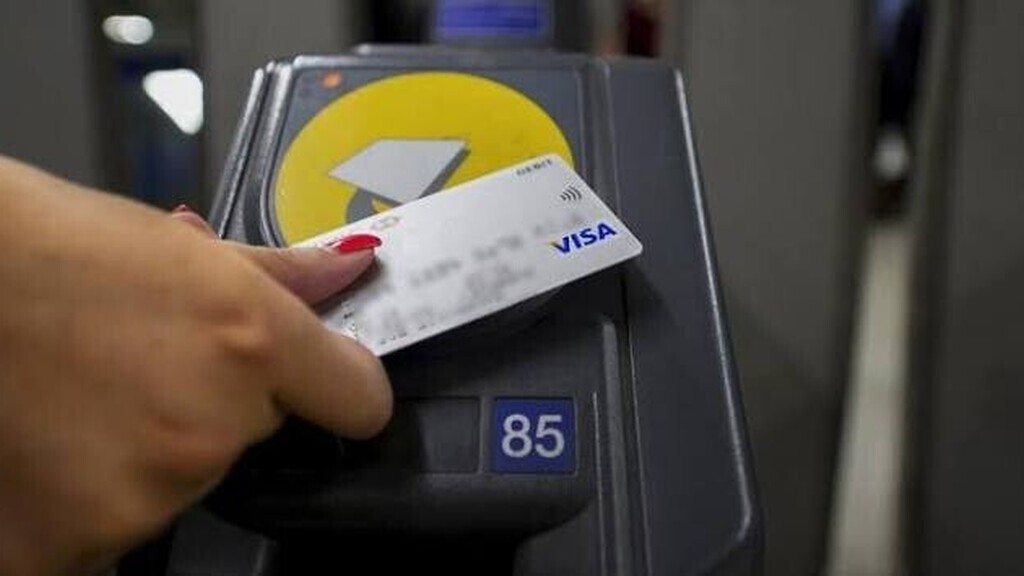
Bank cards, smartphones, and smartwatches have profoundly transformed payment habits. Yet, banknotes and coins still play an important role in daily life. Between ease of use, privacy protection, and access to banking services, cash still fulfills several needs.
Paying for a coffee, buying a transport ticket, or paying for groceries can now be done in seconds with a card or a phone. Electronic payments have developed thanks to their speed and ease of use. In many shops, the gesture of holding a device near the terminal has become almost automatic.
However, cash hasn't disappeared. Some consumers still prefer cash for small purchases, while others use it to better manage their budget. Payment in banknotes and coins also remains accessible to people who don't have a smartphone or who have difficulty using digital services.
A tool to better control your spending
One of the advantages of cash lies in its tangible nature. When someone withdraws a specific amount for their weekly expenses, they can immediately see how much money they have left. This method can make it easier to track a budget, especially for everyday purchases.
Electronic payments, however, offer their own advantages. They allow users to view a transaction history, reduce the need to carry cash, and, depending on the method used, provide protection against fraud. The choice therefore largely depends on individual habits and needs.
The issue of access to cash
Maintaining the availability of cash also presents a territorial challenge. In some municipalities, the disappearance of bank branches or ATMs can complicate access to withdrawals. The elderly, residents of rural areas, and those less comfortable with digital tools may be particularly affected.
The future of payments is therefore not simply a matter of opposing cash and digital technologies. The two systems serve complementary purposes. For both public authorities and banking institutions, the challenge lies in supporting the evolution of practices without excluding consumers who wish or need to continue using cash.









Respond to the article
Be the first to comment on this article.