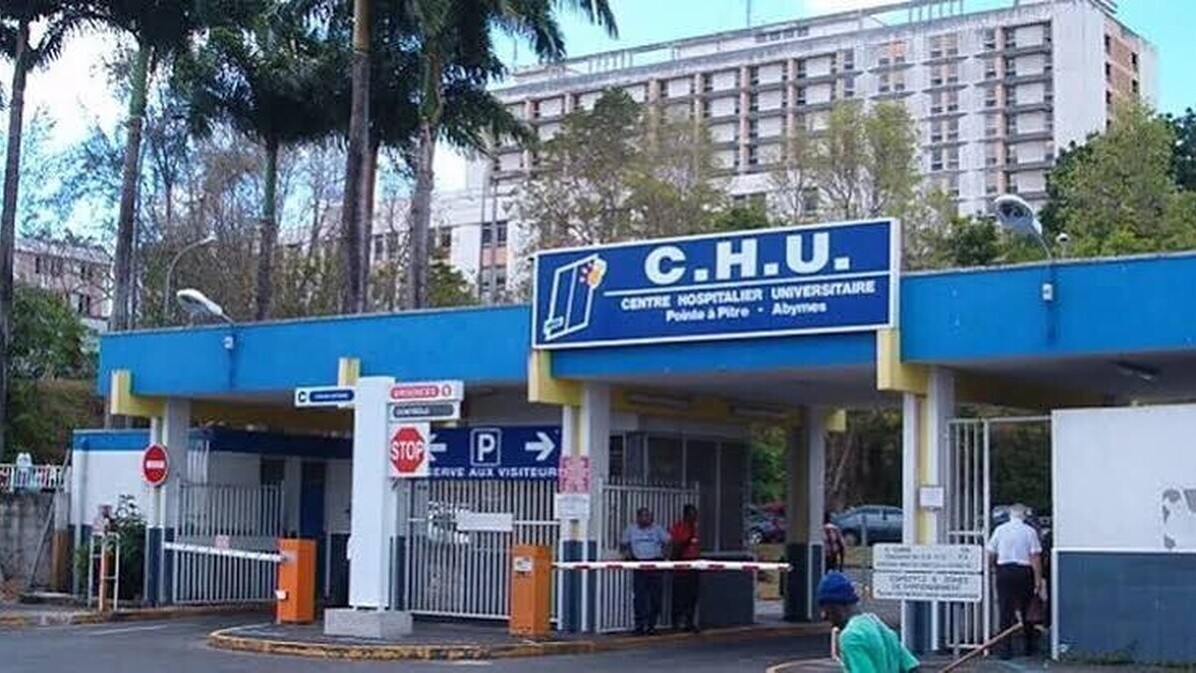
The University Hospital Center (CHU) of Guadeloupe is facing a cyberattack described as "large-scale." This IT incident is raising serious concerns about the security of hospital systems and the continuity of care. In an institution that plays a vital role in the archipelago's healthcare system, protecting medical data and maintaining operations are two major priorities.
A cyberattack against a hospital can affect several functions essential to its daily operation, including access to patient records, appointment scheduling, internal communications, and administrative tools. However, the exact consequences of the attack on the Guadeloupe University Hospital (CHU de la Guadeloupe) remain to be determined. It is particularly important to identify which systems were affected, whether personal information was compromised, and to what extent medical services had to adapt their organization.
Patient and medical data safety are at the heart of the concerns
This situation highlights the vulnerability of healthcare facilities to cyberattacks. Hospitals rely on interconnected digital systems to coordinate care, transmit test results, and monitor patients. When an incident compromises these tools, teams may be forced to temporarily resort to manual procedures to maintain operations. The priority then becomes preserving patient care, particularly in emergency departments and units treating the most vulnerable patients.
Beyond the immediate disruptions, this attack raises the question of cybersecurity for healthcare infrastructure in France's overseas territories. The Guadeloupe University Hospital (CHU) plays a central role in the local hospital system, making the reliability of its IT equipment particularly critical. Identifying the origin of the attack, assessing any compromised data, and ensuring the secure restoration of systems will be essential to measuring the consequences of this incident. At this stage, there is no evidence to publicly attribute the operation to a specific group.