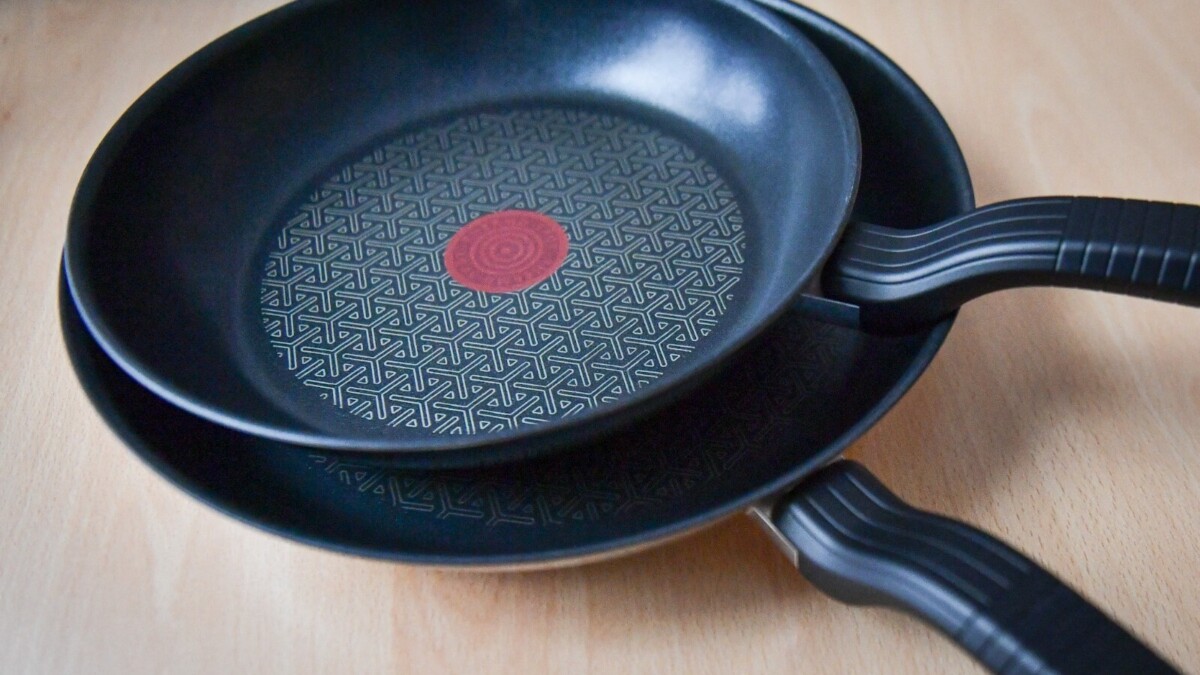
The French group SEB, owner of the Tefal brand, is facing a new offensive from environmental associations. On Friday, October 9, 2026, Générations Futures, Notre Affaire à Tous, and ClientEarth announced they had sent a formal notice to the company demanding a gradual phase-out of PFAS, chemical substances dubbed "forever pollutants." The three organizations are giving the company three months to present a strategy for reducing and then eliminating their use in its industrial activities. If a satisfactory response is not received, they plan to take the matter to the Paris Judicial Court . This action specifically targets the non-stick coatings used in some Tefal pans, which contain polytetrafluoroethylene, better known as PTFE. According to the associations, the continued use of these substances in manufacturing processes poses health and environmental problems that the group is not adequately addressing.
At the heart of this formal notice is the 2017 French law on the duty of vigilance of large companies. This law requires the groups concerned to identify and prevent serious risks that their activities may pose to health, human rights, and the environment, including to their suppliers. The associations believe that SEB is not fully complying with these obligations regarding PFAS. They are specifically requesting a more comprehensive risk assessment, the implementation of a substitution schedule, and anticipation of the industrial and social consequences of phasing out these substances. PFAS form a large family of chemical compounds characterized by their extreme persistence in the environment. Some are associated with adverse health effects, although their toxicity varies depending on the specific molecules and exposure conditions. Their presence in everyday products and industrial emissions is now receiving increasing attention from health and environmental authorities.
A legal battle that could weigh on Tefal's industrial future
This new legal action comes as the Tefal site in Rumilly, Haute-Savoie, is already facing concerns regarding its emissions of fluorinated substances. PFAS have been detected in various discharges related to industrial activity, leading authorities to strengthen their monitoring. In April 2026, the prefecture specifically requested that the company identify the source of certain atmospheric emissions and take measures to reduce them. Another legal action was initiated at the end of September before the Grenoble Administrative Court by several local associations, which are seeking stricter measures concerning these emissions. Environmental advocates also point out that alternative solutions already exist, notably ceramic coatings, also marketed by Tefal. However, the debate goes beyond purely technical issues: phasing out PFAS could lead to significant modifications to production lines and require substantial industrial investments.
For the three associations, this transition must also preserve jobs and support the employees concerned. They are therefore demanding that SEB implement retraining measures so that any transformations of its factories do not result in disproportionate social consequences. For its part, the group indicates that it will carefully examine the formal notice and will respond, if necessary, within the framework provided by law. The company also assures that its activities are conducted in compliance with applicable French and European regulations. The issue of PFAS now represents a strategic challenge for the entire cookware sector, as the European Union is considering new restrictions on these substances. In France , the law adopted in February 2025 already prohibits their use in certain product categories, but cookware is exempt. The legal action taken against SEB could thus constitute an important precedent regarding corporate environmental responsibility, by seeking to obtain, through legal means, a change in industrial practices beyond the prohibitions currently in force.