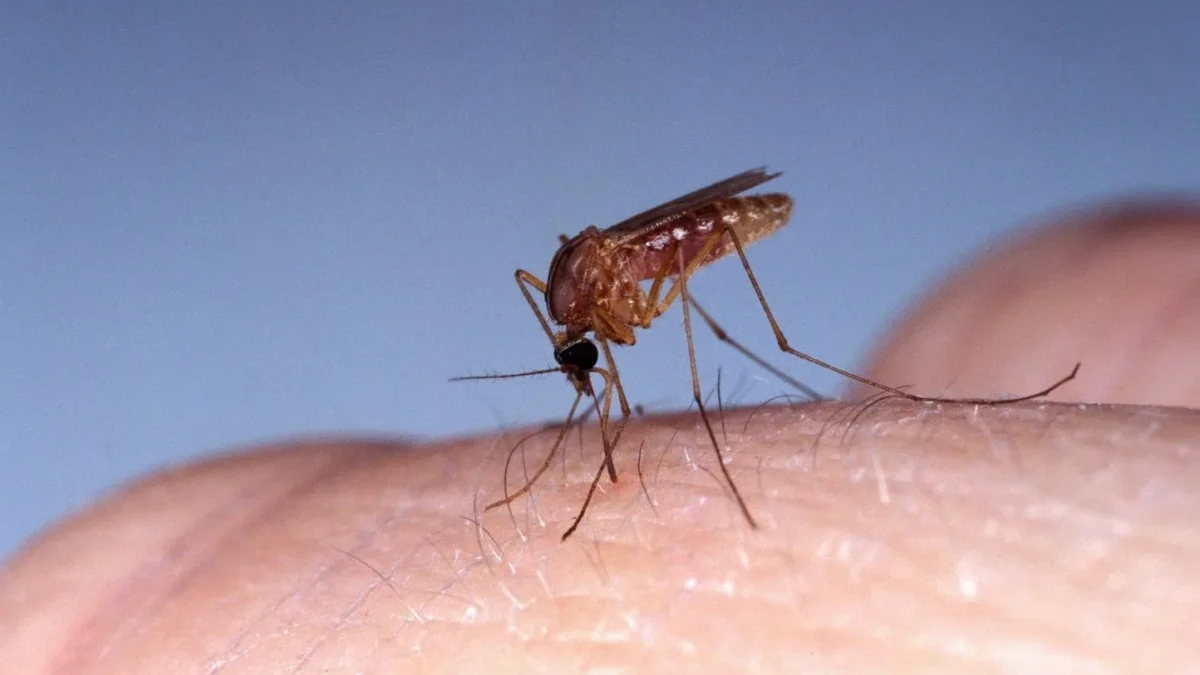
France is facing a resurgence of mosquito-borne diseases, a consequence of the established presence of the tiger mosquito and increasingly favorable climatic conditions for its proliferation. Since May 1st, the start of enhanced surveillance for arboviruses, health authorities have recorded 293 imported cases: 215 cases of dengue fever, 69 of chikungunya, and 9 of Zika. While no locally acquired cases of these three diseases had yet been detected in mainland France by mid-July, authorities remain particularly vigilant during the summer months.
On July 16, Public Health France confirmed the first locally acquired case of West Nile virus in 2026 in the Pyrénées-Orientales department. This virus, transmitted by Culex mosquitoes after contamination by wild birds, can cause severe neurological illness in humans. This detection comes after a year in 2025 marked by an unprecedented spread of the virus, with 62 locally acquired cases identified in 17 departments, including in Île-de-France and Normandy.
Climate change is lengthening the mosquito season
The health risk is fueled by several factors. Early heat waves, milder winters, and the proliferation of stagnant water promote mosquito breeding over increasingly longer periods. Simultaneously, the rise in international travel increases the number of imported cases, which can be transmitted locally when an infected person is bitten by a mosquito present in mainland France.
Faced with this trend, authorities are focusing on the rapid reporting of cases, mosquito control operations around infected individuals, and the elimination of breeding sites. Public Health France specifically recommends regularly emptying water containers, using repellents, installing mosquito nets, and wearing protective clothing in exposed areas. Vector-borne diseases are now considered a long-term public health challenge in France.