Persistent sadness, constant fatigue, loss of motivation, or difficulty experiencing pleasure: chronic depression can profoundly disrupt the daily lives of those who suffer from it. Unlike a passing period of discouragement, this disorder can persist for several years and gradually affect professional, family, and social life. Often difficult to identify, it requires appropriate treatment. What are its symptoms, its causes, and the available treatments to regain a better quality of life?
Chronic depression generally refers to depressive disorders that persist over a long period. Among these is persistent depressive disorder, also called dysthymia, characterized in adults by a depressed mood present most of the time for at least two years. The symptoms may be less intense than those of a major depressive episode, but their duration sometimes has considerable consequences on quality of life. Some people end up considering their condition as a characteristic of their personality, without realizing that they suffer from a treatable disorder. They may continue to work, maintain social relationships, and fulfill their responsibilities while experiencing constant emotional exhaustion. This ability to maintain certain activities, however, does not mean that their suffering is any less significant.
Symptoms vary from person to person, but several signs are common. Persistent sadness, low self-esteem, feelings of discouragement, and a loss of interest in usual activities may be accompanied by sleep disturbances, difficulty concentrating, or changes in appetite. Some people also describe a feeling of emptiness, unusual irritability, or a feeling of never being able to regain their energy. Unlike a simple dip in mood, these symptoms are long-lasting and can disrupt personal relationships as well as work performance. A major depressive episode can also occur in someone already suffering from persistent depressive disorder, temporarily worsening their symptoms. Diagnosis requires a medical evaluation to rule out other health problems that could cause similar symptoms.
Why can depression become chronic?
The causes of chronic depression are multiple and generally cannot be reduced to a single event. Biological, psychological, familial, and environmental factors can all play a role in its onset and maintenance. Some people have a particular vulnerability to mood disorders, while others have been exposed to difficult events, prolonged stress, or traumatic experiences. Social isolation, financial difficulties, family conflicts, or certain chronic illnesses can also contribute to worsening symptoms. However, depression can appear without any immediately identifiable external cause. It is therefore important not to consider this illness as a lack of willpower or an inability to cope with daily challenges.
The duration of the disorder is one of its main challenges. When a person lives with a depressed mood for several years, they may gradually reduce their activities, avoid social interactions, or abandon certain projects. These changes can then perpetuate feelings of discouragement and reinforce isolation. Chronic depression can also have physical repercussions, particularly through sleep disturbances, fatigue, or difficulty maintaining a regular activity level. In some cases, it is accompanied by other mental health disorders, such as anxiety, or problems related to the use of alcohol and psychoactive substances. The risk of suicide must also be taken seriously, especially when thoughts of death, a feeling of intense hopelessness, or a sudden worsening of symptoms occur.
What treatments can help overcome chronic depression?
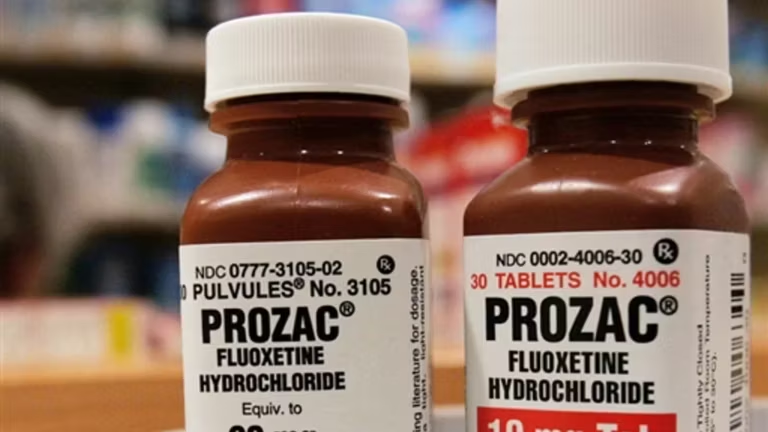
Chronic depression can be treated, even when it has been present for several years. Treatment generally relies on an individualized approach combining, as needed, psychotherapy, antidepressant medication, and regular medical support. Cognitive behavioral therapy can be particularly helpful in identifying certain thought patterns and behaviors that perpetuate depressive symptoms. Other forms of psychotherapy may also be offered depending on the individual's history and needs. Antidepressants are a therapeutic option in certain situations, especially when symptoms are severe or persistent. Their prescription requires a medical evaluation and monitoring to assess their effectiveness, adjust dosages, and monitor for side effects. Results may take several weeks to appear, and gradual improvement is often more realistic than an immediate disappearance of symptoms.
Beyond treatment, daily support plays a crucial role in recovery. Maintaining a regular sleep schedule, gradually resuming appropriate physical activity, and preserving social connections can all contribute to improving quality of life, without replacing medical care. Family and friends can also be helpful by listening attentively and encouraging consultation with a healthcare professional, without minimizing the difficulties encountered. In France , the general practitioner is often the first point of contact for identifying a depressive disorder and referring the patient to a psychiatrist or psychologist. Chronic depression is not inevitable: many people experience significant improvement with appropriate care, even after several years of symptoms. The key is to recognize the illness, seek help, and understand that recovery may require time and ongoing support.