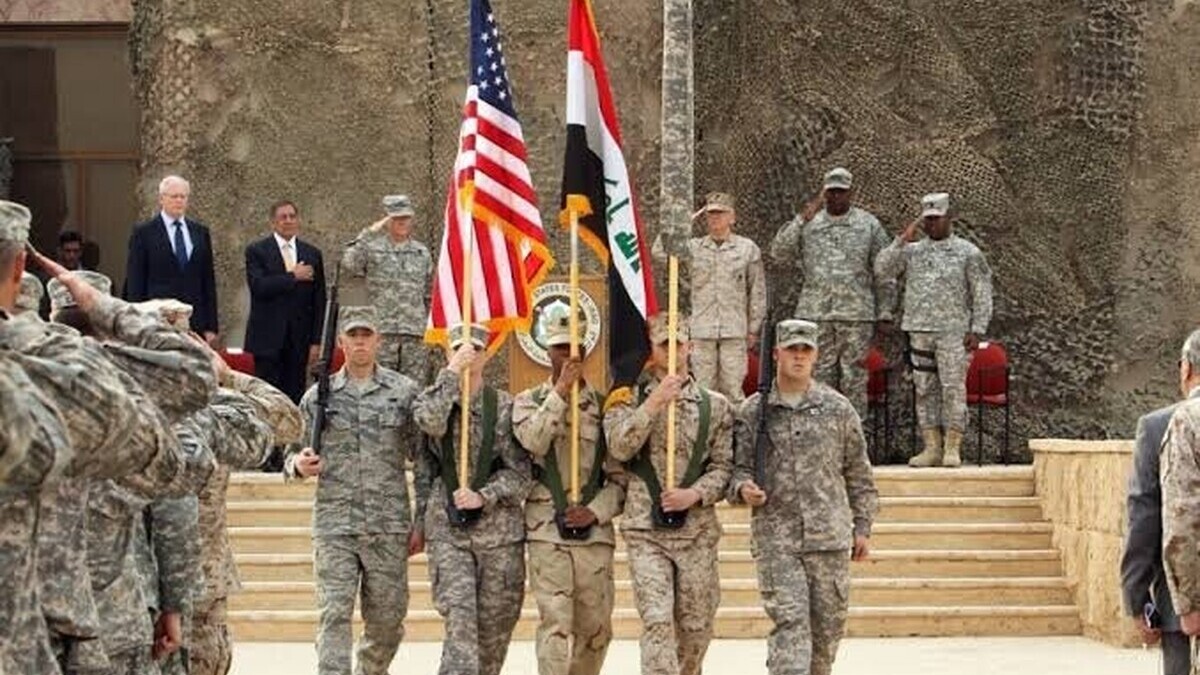
Iraqi Prime Minister Ali al-Zaidi announced during a meeting with Donald Trump in Washington that American forces would fully withdraw from Iraq by September 30. The withdrawal is accompanied by an economic partnership project focused on oil.
It is a precise date that Ali al-Zaidi set on the table during his visit to the White House: September 30. On that day, according to the Iraqi Prime Minister, the last American soldiers deployed in his country will have left the territory. “American forces will leave, and American companies will enter,” he declared, summarizing the logic of the agreement currently being negotiated with Washington.
Donald Trump agreed, stating that the military presence was no longer necessary. “We don’t think we need the army there,” he said from the Oval Office. About 2,500 American soldiers were still stationed in Iraq in recent months, mainly for operations against the Islamic State, with positions in Erbil in the Kurdish region, near Baghdad airport, and in the Green Zone of the capital.
The al-Zaidi government linked this withdrawal to one condition: the disarmament of pro-Iranian militias operating on Iraqi soil. “After September 30, we will not allow any entity to bear arms outside the State,” affirmed the Prime Minister.
Beyond the military aspect, the visit to Washington was mainly aimed at attracting American investments in the Iraqi oil, gas, and energy sectors. Trump praised Iraq’s “tremendous potential” thanks to its hydrocarbon reserves. “We will sign many agreements, create many jobs in both countries, and extract a lot of oil,” he promised, without specifying the terms.
Two Iraqi officials indicated that Iraq, Chevron group, TI Capital, and the Qatari company UCC were preparing to sign an agreement for the construction of a pipeline with a capacity of two million barrels per day, connecting Basra to Haditha, then extending to ports in Turkey and Syria.