
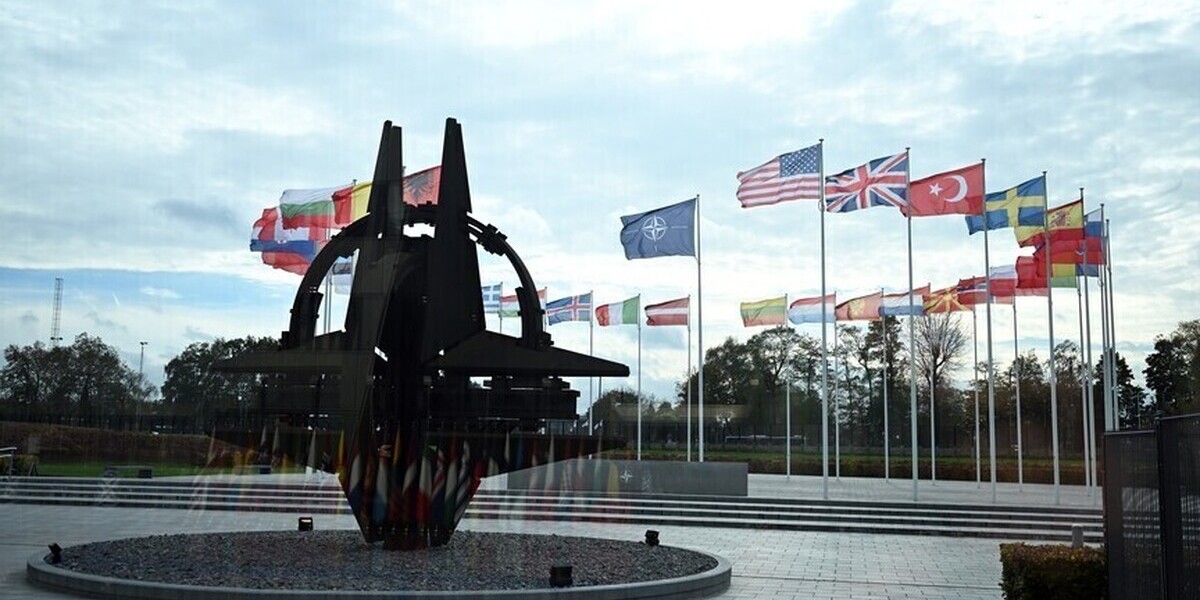
A majority of Swiss citizens now support closer cooperation with NATO and increased defense spending, according to a study published Tuesday by the ETH Zurich Center for Security Studies. The report highlights a clear shift in public opinion against a backdrop of heightened international tensions.
The "Security 2026" study reveals that the feeling of security in Switzerland has fallen to its lowest level in two decades. According to the results, 82% of respondents still say they feel safe, but this figure has dropped by four points compared to the previous year.
At the same time, perceptions of the global situation are deteriorating sharply. Nearly a quarter of respondents say they are "very pessimistic" about the future of international politics, compared to only 13% who express optimism. This trend is accompanied by growing support for the Swiss army.
Approximately 83% of participants believe the military remains necessary, while support for abolishing compulsory military service has fallen to 25%, its lowest level since the end of the Cold War. At the same time, 29% of respondents support increased military spending, a record high since surveys began in 1986.
The evolving security situation in Europe is also influencing the debate on Swiss neutrality. While 85% of respondents continue to support the principle of neutrality, this figure has fallen sharply since 2022, the year the war in Ukraine began, when it reached 97%.
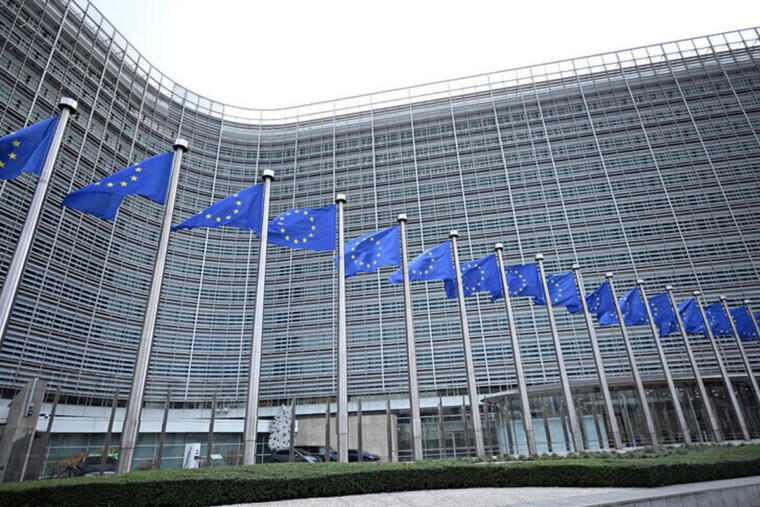
According to the study, 59% of respondents now believe that neutrality could no longer be credibly defended in the event of a military crisis. In this context, 56% of respondents support closer security ties with NATO, while 43% believe that joining a European defense alliance would offer better protection than neutrality alone.
Finally, in the event of armed conflict, 78% of respondents said they were ready to support the defense of the country, and nearly half said they would be willing to take up arms to defend Switzerland, while 85% would agree to contribute to non-combat missions.


Community
Comments
Comments are open, but protected against spam. Initial posts and comments containing links undergo manual review.
Be the first to comment on this article.