

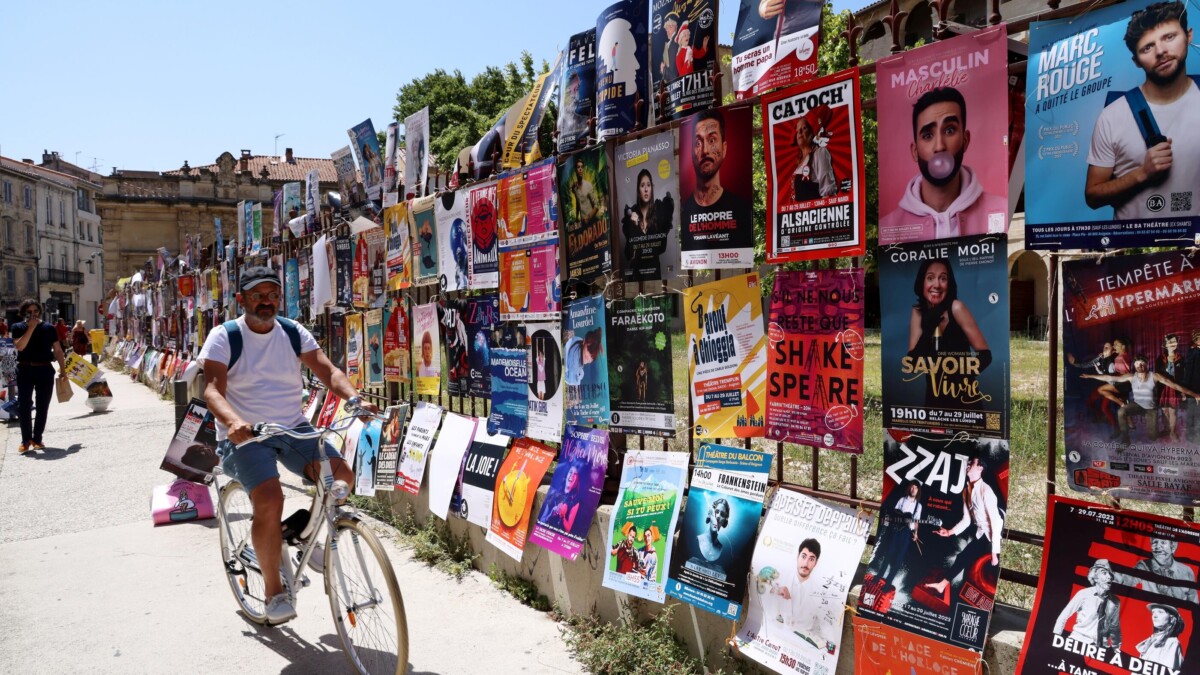
The Avignon Festival opens its 80th edition from July 4th to 25th with an expanded program, but in a worrying context for live performance. Amid concerns about funding, perceived threats to artistic freedom, and the economic fragility of companies, the major theatrical event aims to celebrate creativity while highlighting the sector's difficulties.
An anniversary edition driven by the artists
For its anniversary, the Festival In is announcing 47 new productions and 15,000 additional tickets. Its director, Tiago Rodrigues, aims to make this edition a showcase for contemporary performing arts, with offerings from a variety of aesthetic styles. The opening night, in the courtyard of the Palais des Papes, will be entrusted to Julien Gosselin with Maldoror , a long-form work dedicated to the question of evil.
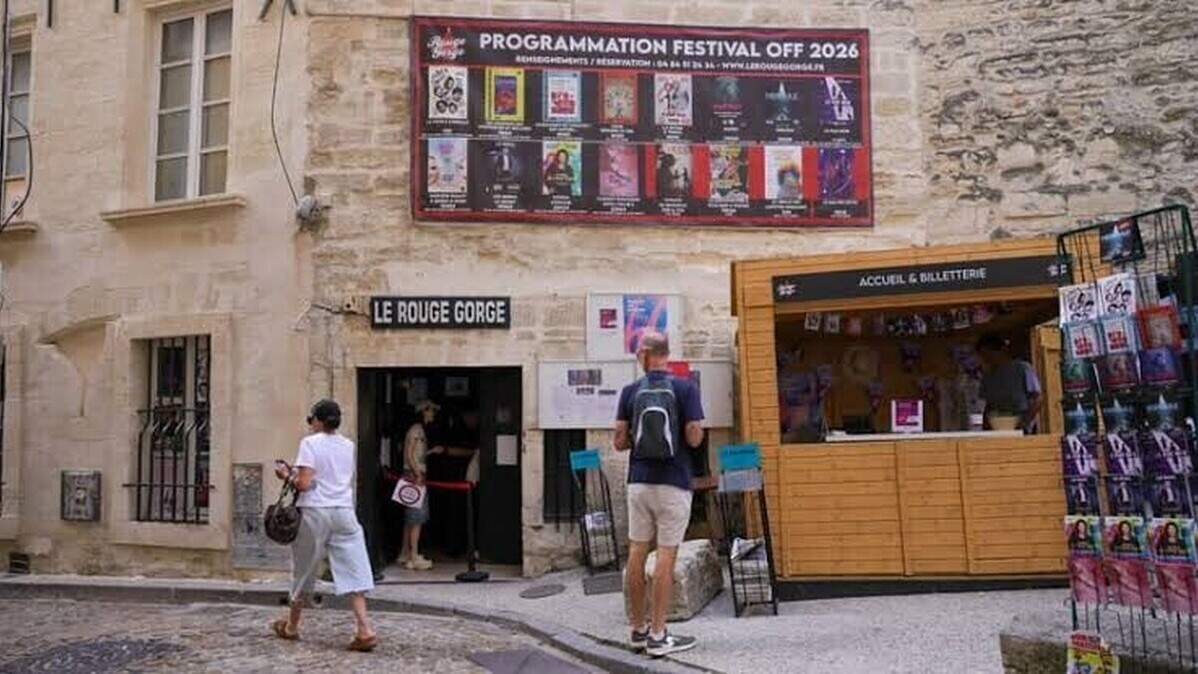
The program will notably feature Isabelle Huppert, Valérie Dréville, Denis Podalydès, and Éric Ruf. South Korean artists also occupy a prominent place this year, with the announced appearance of novelist Han Kang, winner of the 2024 Nobel Prize in Literature, from July 12 to 18. Meanwhile, the Off Festival is planning approximately 1,700 performances in 140 venues, confirming its role as a vast market and laboratory for theater companies.
Companies weakened by the cuts
Behind the summer frenzy, professionals fear a worsening of their working conditions. Tiago Rodrigues spoke of a climate of "uncertainty" regarding the future of public funding for culture. The recent cancellation of Alexis Michalik's film Passeport by the Castres municipality has also reignited concerns about freedom of creation and distribution.
Data from the Association of Performing Arts Administration Professionals (Lapas) illustrates this fragility: among the 286 companies surveyed, the average number of performances planned for 2026-2027 fell to 4,7, compared to 8,7 the previous season. According to the same survey, 19% of organizations have reduced the number of performers on stage, and 21% of artistic directors are considering ceasing operations within three years.
The budget cut for Fonpeps, a program supporting employment in the performing arts, is also fueling tensions. Its funding has been reduced from €60 million to €39 million, and eligibility requirements have been tightened. Despite this challenging situation, audiences remain loyal: according to a study by the Association for the Support of Private Theatre, 13 million people attended a play in the last twelve months, compared to 11,3 million the previous year. This is encouraging attendance, especially as artists continue to search for ways to keep their productions on French stages.




Community
Comments
Write a comment
Be the first to comment on this article.