While young people spend on average ten times more time on screens than reading, the Ministers of Education and Culture are sounding the alarm. Rachida Dati and Édouard Geffray presented, on December 1, 2025, a set of proposals stemming from the National Conference on Reading for Young People, aimed at reversing this worrying trend. The objective is to permanently reintegrate books into the lives of children and teenagers through a ten-year plan that will be detailed in an interministerial roadmap.
A worrying observation: a disconnect between young people and reading
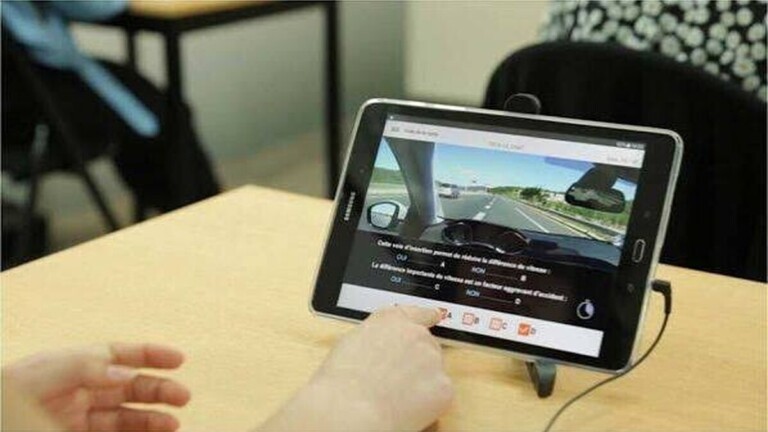
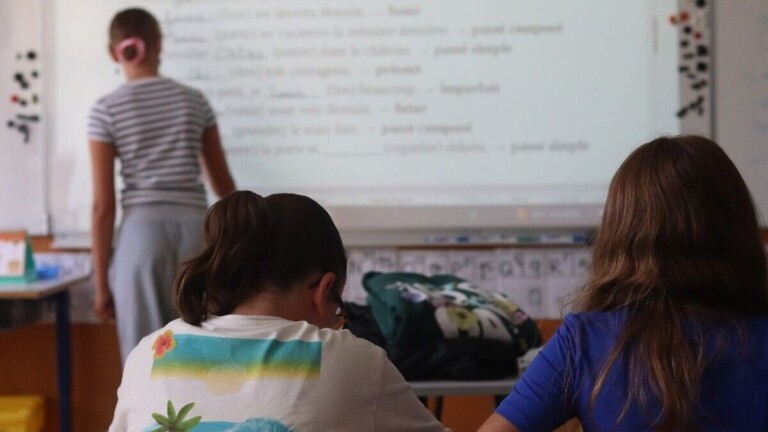
Figures revealed by an Ipsos study for the National Book Centre in 2024 largely motivated this initiative: 7- to 19-year-olds read an average of 19 minutes a day, compared to more than three hours spent on screens. According to the conclusions drawn by the steering committee led by Nicolas Georges, director of books at the Ministry of Culture, reading is perceived as an isolating activity, sometimes even stigmatized, particularly among boys. From the 4th grade onward, their interest in books drops sharply. This divide widens in middle school, where teenagers disengage even more.
A national consultation launched in July 2025 gathered more than 36,000 participants, including 6,000 young people, confirming the trend of declining reading among teenagers' cultural activities. "Reading is no longer a given," acknowledged Rachida Dati in Montreuil during the presentation of the findings, while emphasizing the need for collective action.
Fifteen concrete proposals and a call for national mobilization
The national consultations resulted in fifteen concrete measures designed to strengthen the role of books from a very young age. Among the priority areas are enhanced teacher training in reading pedagogy, the promotion of family rituals such as bedtime reading, and the distribution of library cards to parents of newborns, a program already piloted locally with a 30% increase in enrollment. The implementation of a ten-year plan is now being considered, with financial support yet to be determined. The "polluter pays" principle could be applied to digital giants, according to Nicolas Georges.
The Minister of Education emphasized the close links between reading and academic success, stressing the crucial role of books in the development of language, concentration, and imagination. "The earlier a child is exposed to books, the better their results," Édouard Geffray reminded everyone, also mentioning the cognitive benefits of reading. Sylvie Chokron, a neuropsychologist and member of the committee, even considers it a "public health issue," as screens seriously affect the attention spans of young readers.
Beyond the school setting, several speakers emphasized the need to change the image of books. "Reading also helps create connections," testified Élèora, a high school student active on BookTok. This social network dedicated to children's literature demonstrates that a thoughtful use of digital tools can also serve the cause of books.
Rachida Dati and Édouard Geffray now intend to structure a long-term government action plan, based on the proposals in the report submitted by the steering committee. Their ambition: to make reading a natural, accessible, and valued activity throughout youth.