
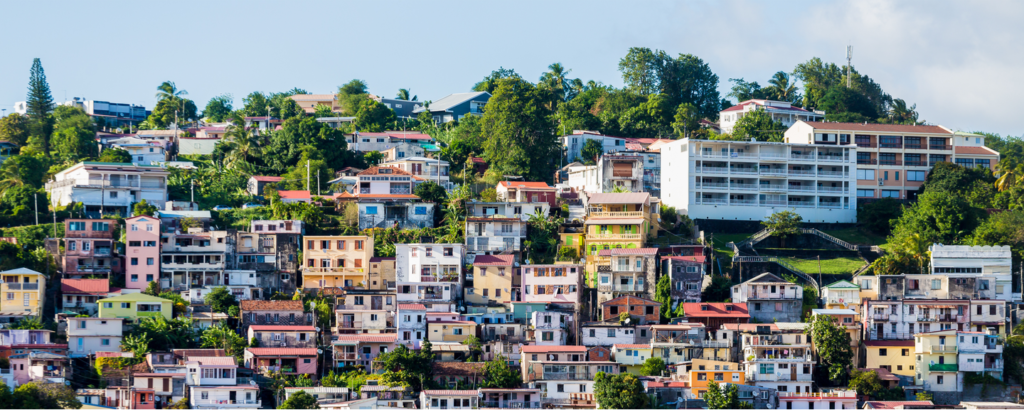
The Foundation for Housing the Disadvantaged published a report on February 17, 2026, dedicated to the housing crisis in the French overseas territories. Titled "Inadequate housing in the French Overseas Territories: Key figures and proposals"This document makes an alarming observation: residential insecurity is significantly more pronounced there than in mainland France.
According to the study, more than 700,000 people are affected in the French overseas departments and regions (Guadeloupe, Martinique, French Guiana, Réunion, and Mayotte). This includes homeless people, those living in precarious or unsanitary housing, those staying with others, and those without access to water or electricity. Proportionally, three out of ten people in these overseas territories are affected by inadequate housing, compared to a much smaller proportion in mainland France.
The situation is worsening, especially for children.
The Foundation highlights a lack of data specific to the French overseas territories, as some national surveys do not include them. Despite this, the available indicators show a worsening situation since 2023. The issue of homelessness is particularly worrying: nearly 8,000 people are estimated to be homeless in the overseas territories.
In Réunion, in 2024, more than 1,000 children could not be taken into care by the 115 emergency hotline, including approximately 300 under the age of three. At the same time, rising rents and an insufficient supply of social housing are exacerbating the difficulties in accessing affordable housing.
Housing without water or essential amenities
The report also highlights the extent of substandard housing. Nearly 40,000 homes in France's overseas territories lack running water, representing approximately 5% of primary residences, compared to a marginal proportion in mainland France. In some territories, access to hot water, electricity, or sewage systems remains limited.
In 2022, approximately 150,000 substandard or unsanitary dwellings were recorded in the French overseas departments and regions (DROM), representing nearly one in five dwellings, compared to less than 2% in metropolitan France.
Suggestions for a specific response
In response to this situation, the Foundation is calling for the implementation of a specific plan to address substandard housing in the French Overseas Territories. Among its recommendations are the creation of 4,000 additional accommodation places to bring the level of facilities in line with that of mainland France, the priority construction of social and very low-income housing, the conversion of vacant buildings, and the fight against unoccupied land.
Rent control is also put forward as a lever to combat the high cost of living, given that some households spend between 50% and 80% of their income on housing.
The Foundation also stresses the need to make housing a political priority in the overseas territories, with better coordination between national and local actors, in order to guarantee everyone a dignified and decent home.