
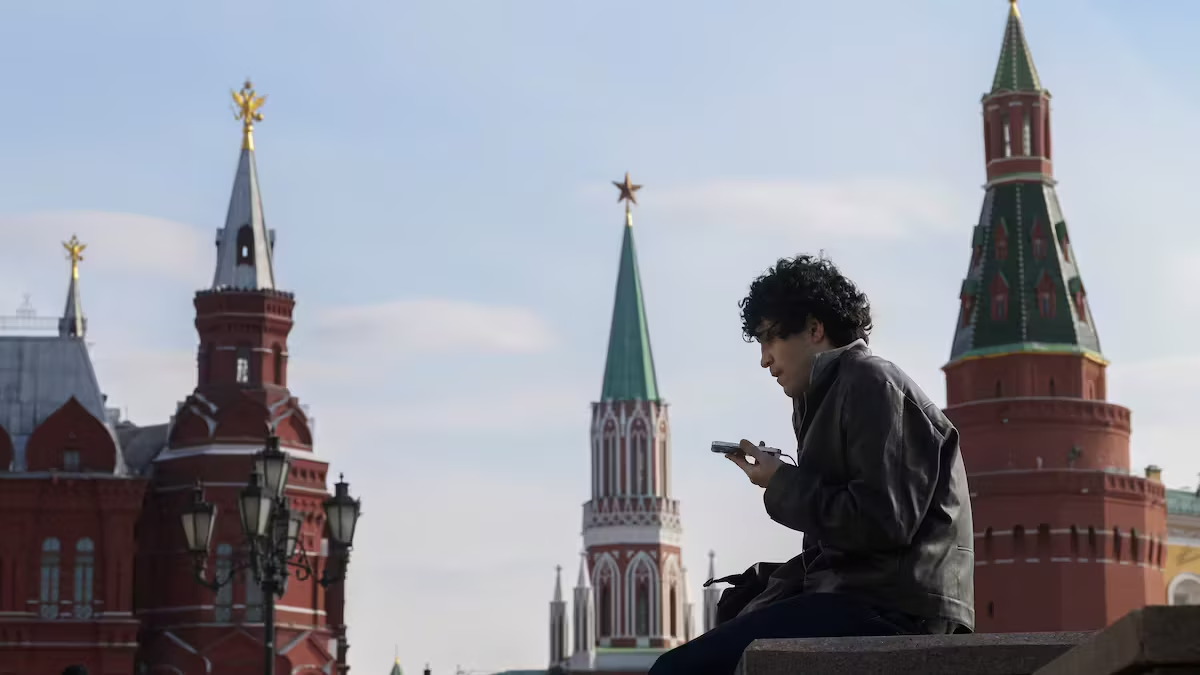
Russia is tightening its grip on the internet, increasing restrictions and shutdowns that disrupt the daily lives of millions of users. According to observations by journalists and diplomats, these measures are part of a deliberate Kremlin strategy to strengthen its control over digital technology.
In several major cities, including Moscow and St. Petersburg, mobile internet access was completely disrupted at certain times of the day during the past week. These outages directly impact daily life: taxi drivers struggle to navigate without GPS, employees have difficulty working, and teenagers constantly have to switch between virtual private networks (VPNs) to bypass the restrictions.
At the same time, the authorities have tightened their control over communication platforms. Messaging services like WhatsApp and Telegram are now heavily restricted, while dozens of VPN networks have been dismantled, further limiting access to blocked content.
The Kremlin stands by this policy. When questioned about these measures, spokesman Dmitry Peskov confirmed they were underway, without providing further details. This tightening of digital control is also accompanied by new laws strengthening the powers of the FSB, Russia's national security agency.
For the authorities, these restrictions aim to guarantee security and better control information in a context deemed sensitive. But for many observers, they reflect a growing desire to limit access to independent sources and restrict freedom of expression online.
This digital "great crackdown" marks a new stage in Russia's internet regulation policy. It illustrates the rise of a model of state control over the network, the consequences of which could permanently transform access to information in the country.


Community
Comments
Comments are open, but protected against spam. Initial posts and comments containing links undergo manual review.
Be the first to comment on this article.