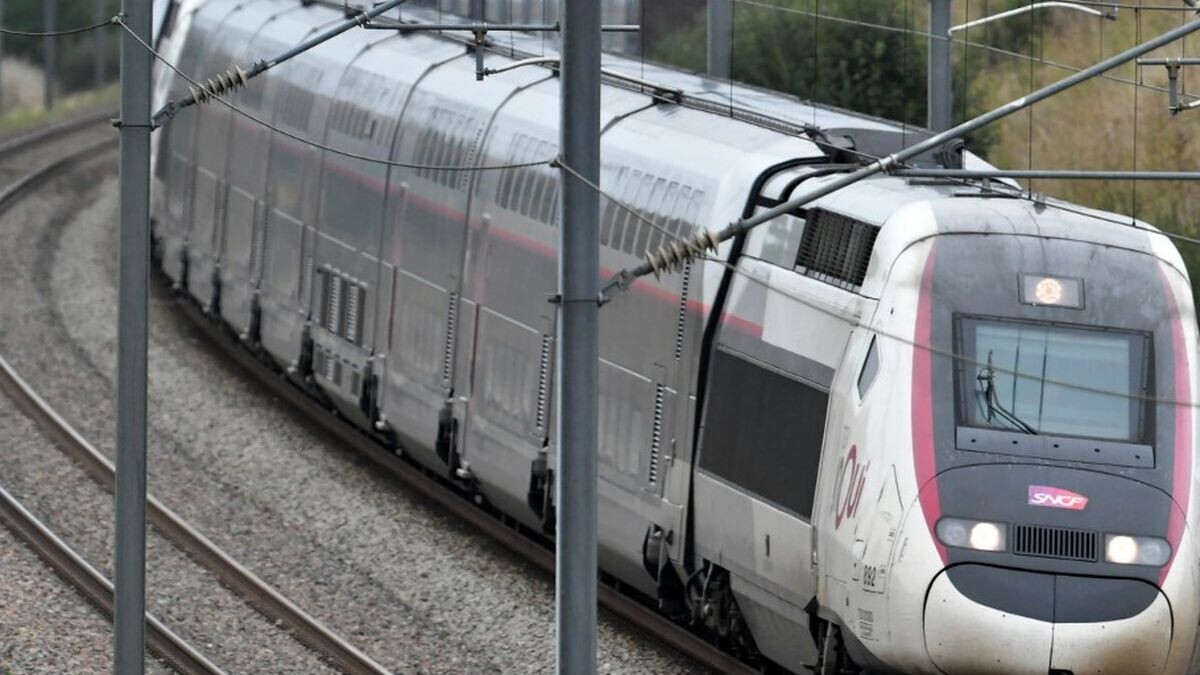
At the controls of a train capable of traveling at 320 kilometers per hour, TGV drivers perform a highly technical and demanding job. Behind the prestigious image of high-speed rail lies a daily routine punctuated by irregular schedules, strict safety procedures, and constant vigilance. Contrary to popular belief, driving a TGV is not simply a matter of accelerating, slowing down, and stopping at stations. The driver must have a thorough understanding of the train's characteristics, know the lines being traveled, interpret the information transmitted by the signaling systems, and react quickly in case of a problem. Each journey requires meticulous preparation, from checking the equipment to analyzing any potential traffic restrictions. On board, hundreds of passengers depend directly on the driver's ability to apply procedures and make the right decisions. It's a job that attracts many applicants, but access to it requires rigorous training and regularly monitored medical fitness.
To become a TGV driver, one generally needs to start by joining a railway company, such as SNCF Voyageurs, to undergo driver training. Recruitment requirements vary depending on the position offered; some pathways are open to candidates with a vocational qualification (CAP) or high school diploma (baccalaureate), provided they successfully complete the various selection stages. Prospective drivers must pass technical assessments, psychometric tests, and medical examinations designed to verify their fitness for a safety-critical role. Initial training typically lasts several months and combines theoretical instruction, learning regulations, and supervised driving practice. It leads to the necessary certifications for driving the relevant trains. Access to high-speed rail then requires a specific qualification, often after experience on other types of trains. Candidates must master the specific characteristics of high-speed lines, in-cab signaling systems, emergency procedures, and the behavior of equipment at very high speeds. A thorough knowledge of routes is also a professional requirement.
Constant focus and considerable responsibilities
A train driver's daily routine begins well before the train departs. They must review operational documents, check for any temporary speed restrictions, and ensure that all equipment under their responsibility is functioning correctly. On high-speed lines, traffic information is primarily transmitted directly to the cab, as the speeds reached would not always allow for the timely reading and interpretation of conventional trackside signals. Speed control devices continuously monitor traffic and can automatically apply the brakes if certain safety conditions are not met. However, these systems do not replace the driver, who remains responsible for driving, adhering to procedures, and managing unusual situations. A breakdown, an obstruction on the track, adverse weather conditions, or a technical incident may require an immediate response. Adding to this demanding work schedule is a unique work rhythm: very early morning starts, late evenings, weekend work, and periods of rest away from home. These constraints are an integral part of a profession that requires good physical stamina and the ability to maintain sustained concentration.
Remuneration is also a key factor in the attractiveness of the profession, even though it varies considerably depending on seniority, qualifications, the railway company, and bonuses associated with working conditions. A trainee driver does not necessarily earn the same salary as an experienced professional qualified to drive TGVs. Allowances related to shift work, travel, and certain service constraints can supplement the base salary. But the profession is also evolving due to technological transformations in the railway sector. The automation of certain monitoring devices, the improvement of driver assistance systems, and the development of new generations of trains are gradually changing the equipment used in the cab. Competition between railway operators could also increase career opportunities for qualified drivers. Despite these changes, the human presence remains essential in the operation of high-speed trains. Behind every arrival at the destination is a professional whose work remains largely invisible to passengers, but whose vigilance and technical expertise are fundamental elements of railway safety.