Solidarity organizations are seeing their finances become increasingly precarious while the need for support grows. The Federation of Solidarity Actors (FAS) issued a warning on Thursday, October 8th, about the difficulties facing its network, which has 900 members. According to its survey, nearly one in three organizations surveyed has less than two months of cash reserves to cover its operating expenses, a situation that threatens the continuation of its missions.
Based on a questionnaire and accounting audits, this second survey describes a sustained decline. Among the responding organizations, 77% report a decrease in their public funding in 2025 or anticipate one for 2026. The consequences are already visible: 45,3% stopped or reduced at least one activity last year. These restrictions particularly affect emergency housing, employment support, and access to rights, while also resulting in job losses.
A national mobilization ahead of the budget debates
For Pascal Brice, president of the FAS (French Federation of Social Action), this weakening comes at a time when social needs are particularly high. He is calling on the government for answers in the upcoming budget discussions. The issue goes beyond the financial survival of these organizations: reducing their activities also risks limiting support for people who depend on these services for housing, finding employment, or completing administrative procedures.
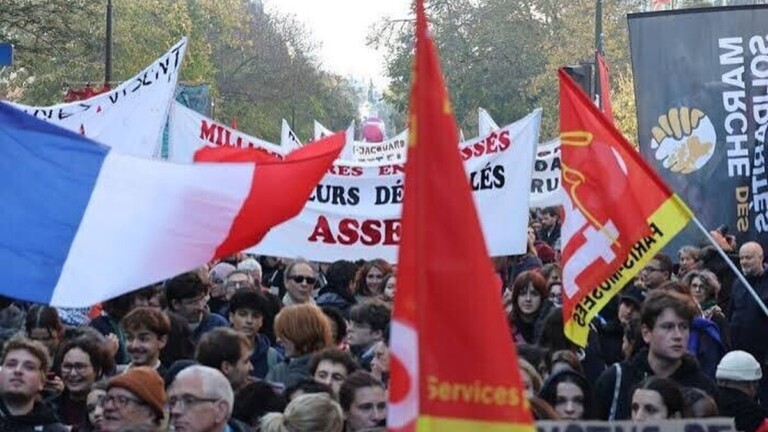
The FAS (French Federation of Social Action) is calling on its members to join the national mobilization organized by Uniopss (National Union of Social and Medical-Social Organizations) from October 12 to 17, under the slogan "What if we really stopped?". This initiative brings together non-profit organizations in the social, medico-social, and healthcare sectors. Communication campaigns, service closures, and demonstrations are planned. In Paris , a rally is scheduled for noon on October 15 in front of the National Assembly to urge members of parliament to provide the necessary resources to ensure the continuity of social welfare services.