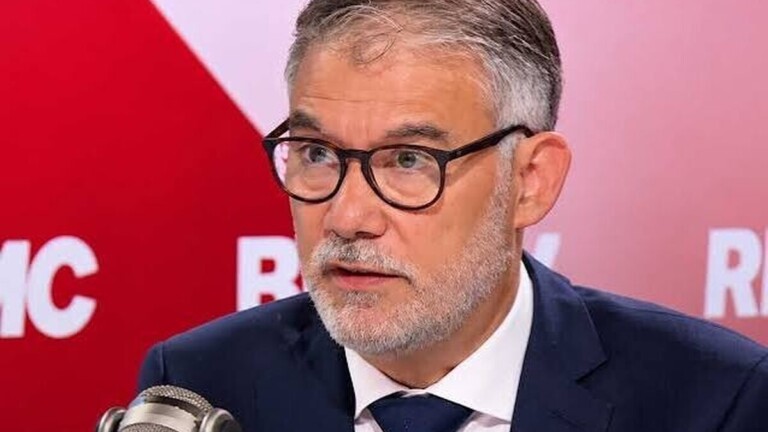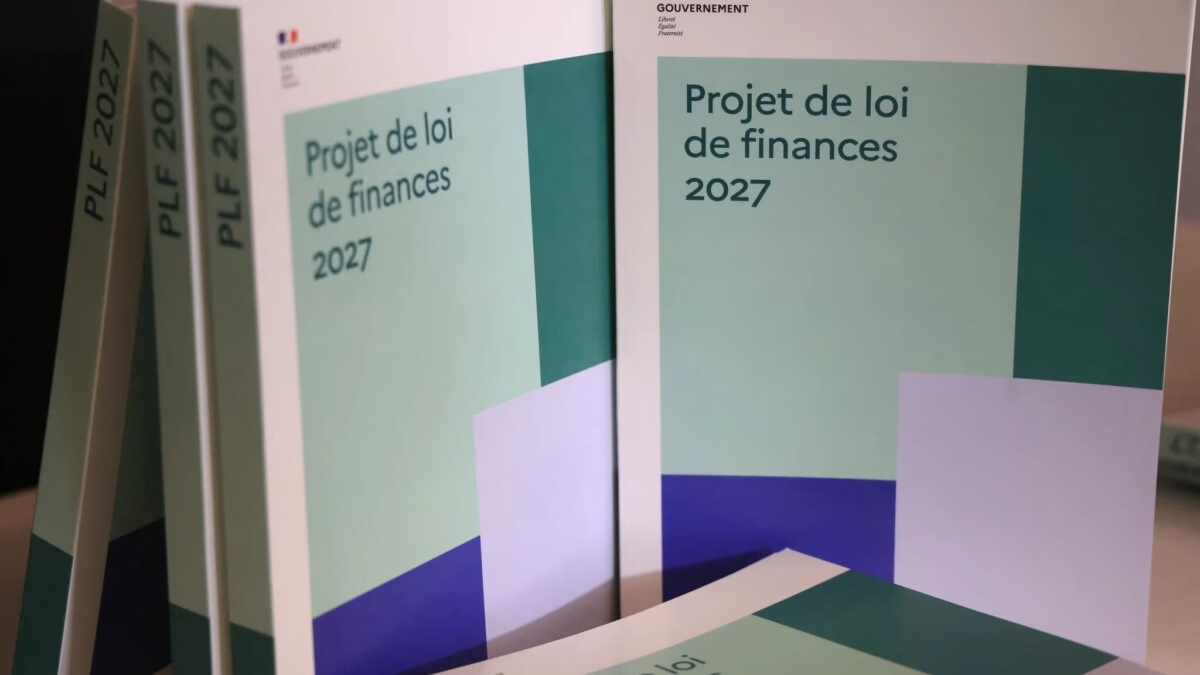
Le gouvernement maintient sa volonté de demander un effort financier aux retraités dans le cadre du budget 2027. Invité du Grand Jury RTL ce dimanche 11 octobre, David Amiel, ministre des Comptes publics, a défendu les mesures concernant les pensions et accusé plusieurs formations politiques de tenir un discours contradictoire sur les finances publiques. Selon lui, il n’est pas possible de réclamer davantage de moyens pour les services publics tout en refusant les économies nécessaires à leur financement.
The minister believes that restoring public finances must be a shared responsibility between generations. He argues that retirees should contribute to this effort so that the government can allocate more resources to young people, particularly in education and public services. This position is especially sensitive given that the draft budget includes several measures that could limit the growth of purchasing power for some pensioners.
"A quarter of the population, but 10% of the effort"
David Amiel cites several figures to support this approach. According to him, retirees represent about a quarter of the French population but would bear only 10% of the proposed budget cuts. He also claims that 80% of the increase in public spending over the last fifty years is related to pensions and healthcare. These figures correspond to the calculations presented by the minister and do not constitute independent statistical verification.
The 2027 draft budget includes a limited increase in pensions exceeding €1,260 per month, as well as a reduction in the 10% tax allowance cap applicable to retirees' income. The government presents these measures as necessary to reduce the public deficit and finance other priorities, while also stating its intention to better protect the lowest pensions.
The minister also attacked political parties that support the student protests while rejecting the government's proposed budget cuts. He accused them of demanding additional education spending without, in his view, offering credible solutions for financing it. This accusation was contested by several opposition parties, which advocated for alternative tax policies or a different distribution of the budget burden.