French Guiana is facing a dramatic increase in asylum applications. According to data from the French Office for the Protection of Refugees and Stateless Persons (OFPRA), 8,897 applications for protection were registered in 2025 in this French territory in South America . This particularly high number places French Guiana second among the most sought-after French departments, after Paris. More than eight out of ten applications concern Haitian nationals, primarily due to the serious security crisis affecting their country. This surge is placing considerable pressure on administrative services, accommodation facilities, and support structures. While French Guiana is already experiencing significant economic and social difficulties, the State must reconcile respect for the right to asylum with the territory's actual capacity to receive and support those seeking international protection.
The evolution of the number of asylum applications in French Guiana illustrates the scale of the migratory upheavals observed for several years in the Caribbean region. In 2022, the French Office for the Protection of Refugees and Stateless Persons (OFPRA) registered approximately 3,300 applications in the territory, compared to nearly 9,000 in 2025. This increase is mainly due to the deteriorating situation in Haiti, where the rise in armed violence, the collapse of certain public services, and persistent insecurity are driving many residents to seek protection abroad. Haitian nationals represent approximately 83% of the applications examined in French Guiana, far more than those originating from Afghanistan, Syria, or Morocco. Since 2023, the French asylum system has recognized the exceptional severity of the violence in Haiti, which helps explain the particularly high number of favorable decisions. In 2025, the protection rate granted by the OFPRA (French Office for the Protection of Refugees and Stateless Persons) in French Guiana reached 87,4%, a level higher than that recorded in other French departments. However, a distinction must be made between initial applications and review procedures, which represent nearly 60% of the cases registered locally. These figures do not therefore mean that nearly 9,000 newly arrived people crossed the borders of French Guiana during the year. A significant proportion of applicants were already residing in the territory before initiating or renewing their application. This distinction is essential for understanding the reality of migration flows and properly assessing their demographic consequences.
Public services under pressure and worrying administrative delays
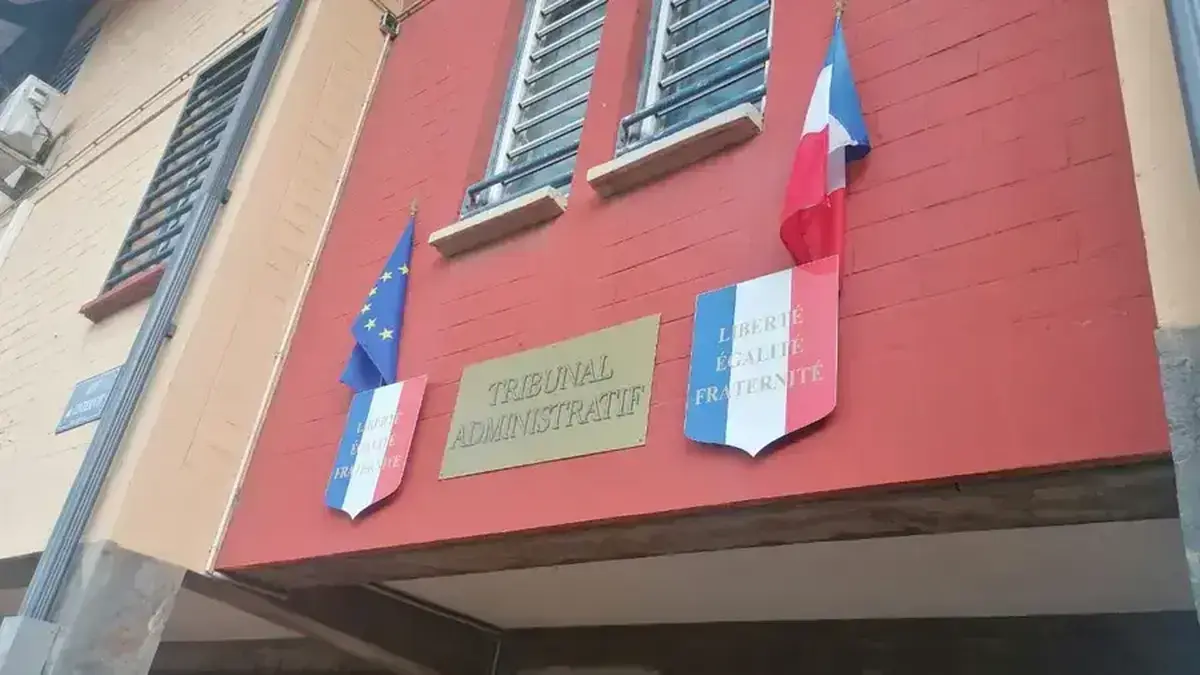
The rapid increase in applications has severely disrupted the reception and registration systems for asylum seekers. In Cayenne, the relevant services have had to cope with a surge in applications far exceeding their available administrative capacity. At the beginning of 2025, some people could wait up to twenty-one months for an appointment at the single point of contact responsible for registering applications. This situation is particularly problematic, both for the individuals concerned and for the administrations, since the legal processing times are normally much shorter. Faced with these difficulties, the government has increased staffing levels and modified the organization of procedures. In January 2026, a ministerial decree notably provided for a temporary adaptation of the procedures for processing asylum applications in French Guiana, applicable until December 31. The OFPRA (French Office for the Protection of Refugees and Stateless Persons) services have a local branch responsible for processing applications, while the prefecture and the French Office for Immigration and Integration must coordinate administrative procedures and reception conditions. These reorganizations have led to a gradual improvement in processing times, even though the territory's capacity remains limited. French Guiana also faces significant structural challenges: a housing shortage, pressure on schools, unequal access to healthcare, high unemployment, and sometimes inadequate infrastructure in certain municipalities. In this context, the increase in asylum applications reinforces the need for a support policy tailored to local realities. Local authorities regularly request additional resources from the national government to address needs that exceed their financial capacity.
The situation in French Guiana highlights the limitations of a migration policy conceived primarily at the national level, without always taking into account the specific geographical and economic characteristics of overseas territories. Bordering Brazil and Suriname, French Guiana occupies a unique position in South America and constitutes a gateway to a territory of the European Union, even though it is not part of the Schengen Area. Regional migration patterns, difficulties in controlling certain borders, and the links between communities contribute to making migration management particularly complex. For the French authorities, the challenge lies in ensuring a rigorous examination of asylum applications, protecting those genuinely exposed to persecution or serious violence, and ensuring the enforcement of administrative decisions. But this policy also requires sufficient staffing, appropriate accommodation facilities, and resources to prevent the overburdening of public services. The figures published for 2025 show that French Guiana is no longer facing a temporary increase in applications, but rather a lasting transformation in the needs for international protection. The Haitian context plays a central role in this evolution, though it is not the sole explanatory factor. Public authorities will therefore have to find a balance between France 's humanitarian obligations , the territory's financial capacity, and the expectations of its inhabitants regarding housing, employment, health, and security. With nearly 9,000 applications registered by the OFPRA (French Office for the Protection of Refugees and Stateless Persons) and a particularly high protection rate, French Guiana now appears as one of the main French territories affected by asylum issues. This situation calls for a structural response from the State, going beyond mere emergency administrative measures.