

By Jérôme Goulon.
Eight years after the birth of the Yellow Vest movement, fuel prices are once again a major concern for the French. In 2018, the movement was sparked by the anger of motorists struggling with rising taxes and the increasing cost of transportation. In 2026, the situation is even worse: at many service stations, the price of a liter of gasoline and diesel has surpassed €2. This new surge is directly linked to the war in Iran, which began at the end of February. The fighting and traffic disruptions in the Strait of Hormuz, a strategic waterway for a significant portion of the world's oil, have caused prices to skyrocket. The price of Brent crude exceeded $95 a barrel on July 22, raising fears of further price increases at French pumps. For households and businesses alike, each fill-up now represents a particularly heavy expense.
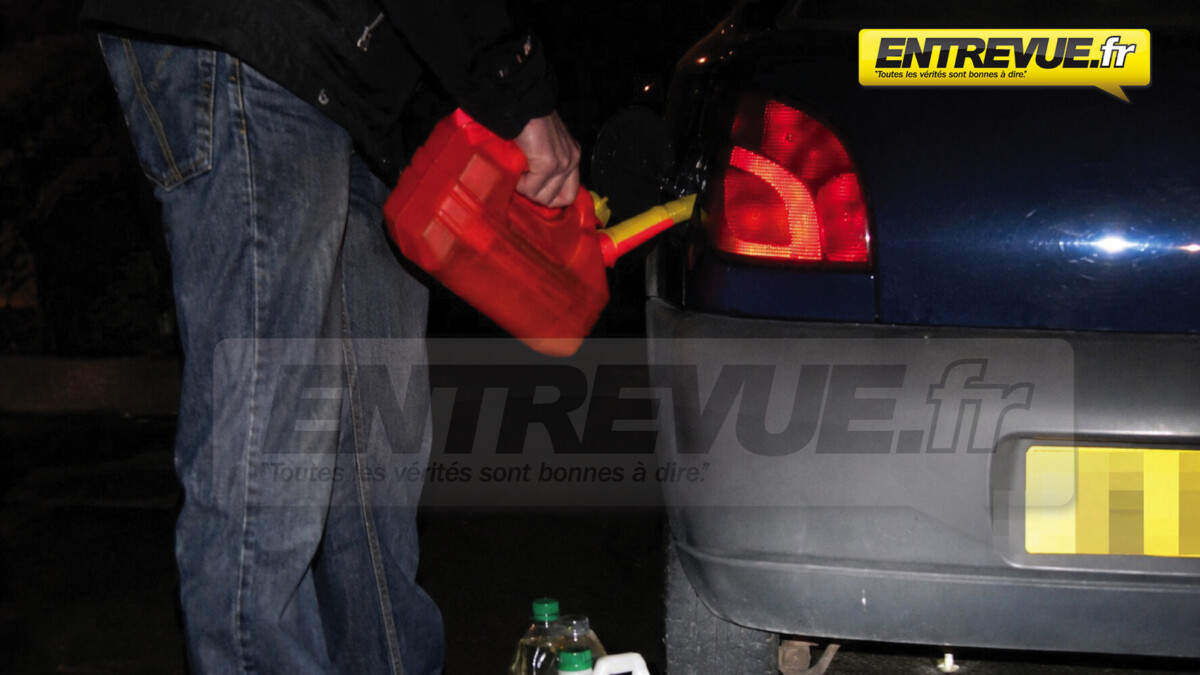
But this crisis is also benefiting traffickers specializing in fuel theft and resale. Siphoned car tanks, targeted trucks, makeshift devices, and jerrycans filled in the dead of night: gasoline has become a sought-after commodity, easy to sell on the black market. Resold for around half the pump price, stolen fuel can fetch around €1 per liter. A tempting offer for some motorists, and one that fuels a particularly profitable clandestine trade based on organized and sometimes repeated thefts. In an investigation conducted with hidden cameras, Interviews They followed a dealer based in the Paris region and filmed the methods used to recover and then resell stolen fuel. With the price per liter now exceeding €2, these images take on a new dimension. Interviews reveals the inner workings of this lucrative "black gold" trade.
Hidden camera: a night with a fuel thief
As with any expensive product, such as tobacco, gasoline generates an illegal trade. Dealers have realized they can make a lucrative business out of it, and siphon fuel from the tanks of cars or trucks. Interviews He followed a drug trafficker during a nighttime operation. As night fell, the man collected several jerrycans, a hose, and some tools, then set off in search of vehicles parked in secluded areas. He favored poorly lit streets, isolated parking lots, and areas where he could operate undetected.
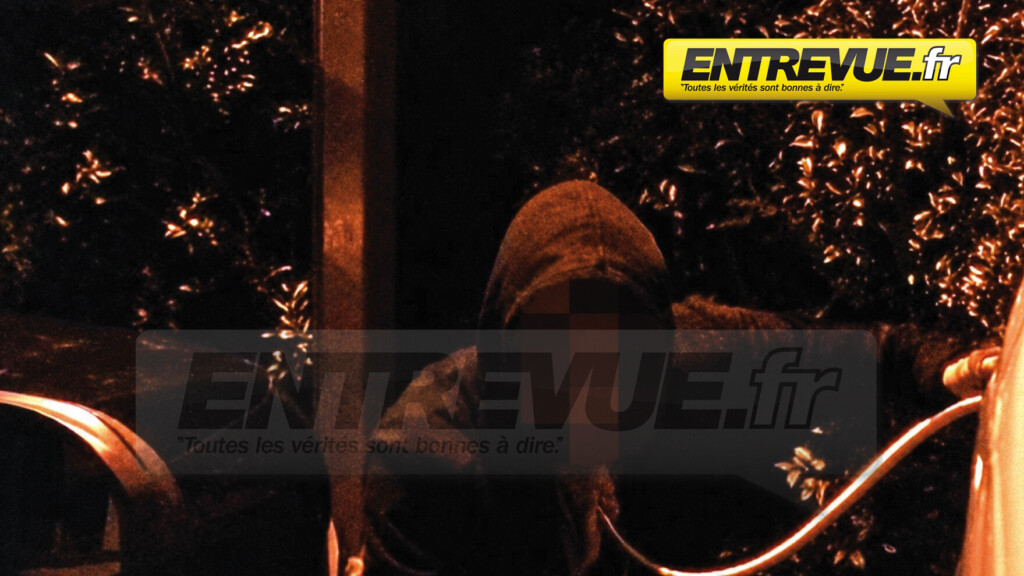
After spotting a car, he quickly checks the surroundings before approaching the fuel tank. The hatch is forced open, and the fuel is transferred into several containers. The operation takes only a few minutes. At the slightest noise or the sound of a passing vehicle, the man stops, hides his equipment, and waits for the street to quiet down.
Once his jerrycans are full, he immediately leaves and goes to a storage unit a few kilometers away. This is where he stores his loot before reselling it. The garage doesn't resemble an organized warehouse: a few containers are placed against the walls, near tools and car parts. Storage is deliberately kept to a minimum to reduce risks and sell the merchandise quickly.
Facing our hidden camera, the dealer claims he rarely keeps more than 100 liters. According to him, this quantity is enough to supply two or three customers, who are often notified as soon as he returns. Transactions are quick, exclusively in cash, and buyers generally bring their own containers. The merchandise therefore never stays long in the storage unit. The trafficker operates on a just-in-time basis: he steals, stores it for a few hours, resells, and then starts all over again as soon as orders increase. A rudimentary system, but well-oiled enough to turn each nighttime outing into several hundred euros in profit.

At 2 a.m., 30 liters of fuel sold for €30
Once his containers are full, the trafficker moves on to reselling. Interviews They followed him with a hidden camera to a secluded parking lot in the Paris suburbs. The meeting was arranged for around 2 a.m., far from houses and main roads. At that hour, the place is almost deserted.
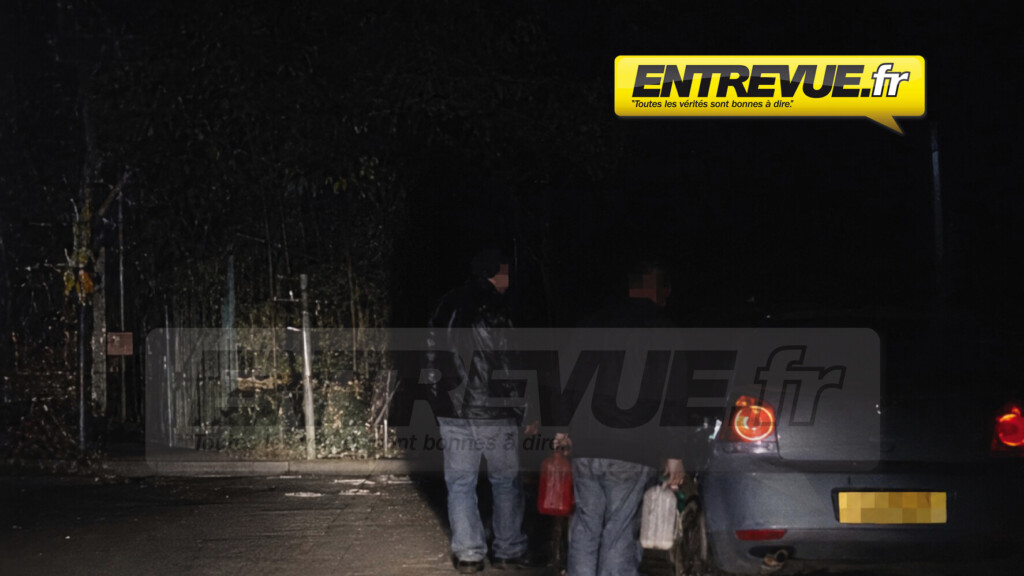
The dealer arrives with four jerrycans loaded into his vehicle. His customer, a regular, is already waiting for him. The two men exchange a few words, then open the trunks. The driver has ordered 30 liters of diesel, which the trafficker pours directly into his tank. The operation takes about fifteen minutes. The two men regularly scan the surroundings and stop as soon as headlights appear in the distance. No receipt, no quantity check, and no guarantee of fuel quality: the customer simply has to trust his supplier.
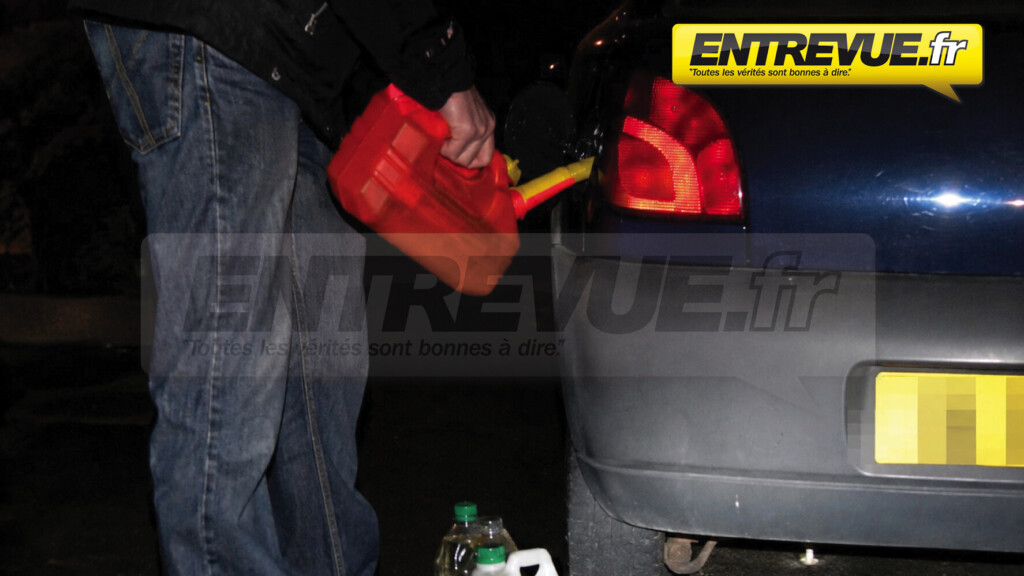
Once the 30 liters are poured, the driver hands over €30 in cash to the dealer. This brings the price per liter down to €1. With the price now exceeding €2 at the pump, the same quantity would have cost him over €60 at a gas station. The customer thus saves more than €30 and pays roughly half the price for his fuel. For the trafficker, the profit margin is 100% since the fuel was stolen. The €30 collected represents his total profit. Once the transaction is complete, the empty jerrycans are placed back in the trunk, and the two vehicles leave the parking lot separately. In less than 20 minutes, the deal is done.

INTERVIEW WITH A GAS DEALER
We interviewed a gas station owner who lives in the Paris region. Under the condition of anonymity, he agreed to talk to us about his business…
Interview: How long have you been stealing fuel?
A petrol dealer: It's been several years now.
And is your traffic working well?
Yes. The higher the price of fuel, the greater the demand. Today, with a liter costing €2 or more at some stations, many people are looking to pay less.
How do you obtain the fuel?
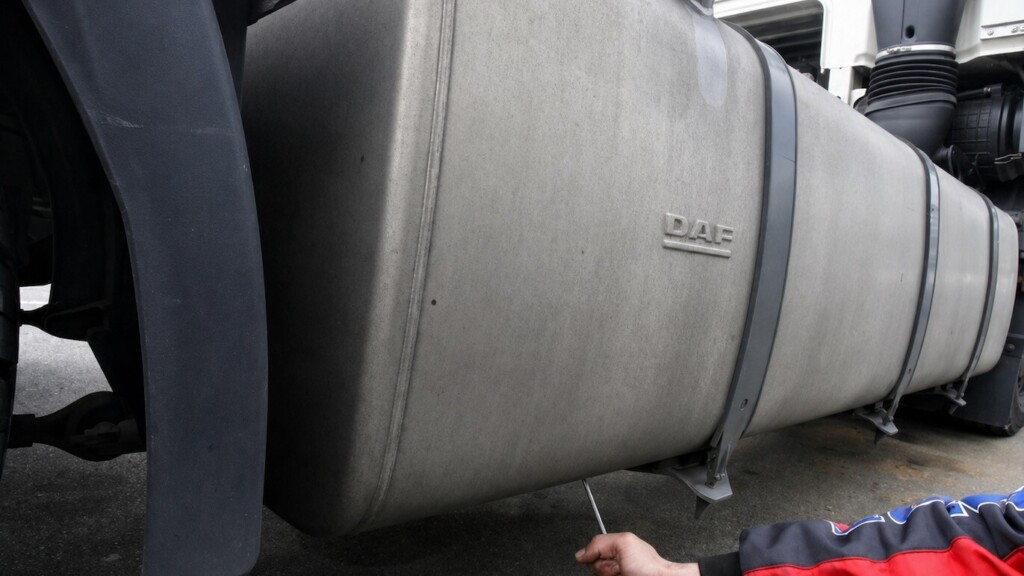
There are several methods. Some target the fuel tanks of parked cars directly, while others use a pump to extract the fuel more quickly. There are also those who target heavy trucks, because their tanks can hold several hundred liters, compared to about 50 liters for a car.
So you prefer trucks?
It's much more cost-effective in terms of quantity. A single truck can collect several hundred liters. But you have to be able to transport the containers and operate undetected.
What do you do with the fuel next?
I have a storage unit where I keep the jerrycans. But I keep very little in reserve because I have regular customers and everything sells out quickly. As soon as I have fuel available, I let two or three people know, and it's usually sold within hours.
How did you build your clientele?
Through word of mouth. New clients are introduced to me by people I already know. I never sell to someone who comes without a referral. This reduces the risk of running into an undercover police officer or someone trying to set me up.
Has this ever happened to you?
No, never. Fingers crossed.
At what price do you resell the fuel?
I offer it for about half the price of gas stations. When a liter sells for around €2 at the pump, I sell it for €1. For 30 liters, the customer pays me €30, whereas they would have paid over €60 at a gas station.
Is this traffic profitable?
Yes, because fuel costs me nothing. The main expenses are jerrycans, equipment, and travel. The rest is almost entirely profit.
How much do you earn each week?
On average, I earn around €500 a week, or nearly €2,000 a month. I could earn more if I dedicated more time to it, but I have a day job. I can't spend my days and nights stealing fuel. For me, it remains a very profitable supplement to my income.
TRUCKERS' PARADE AGAINST THEFT
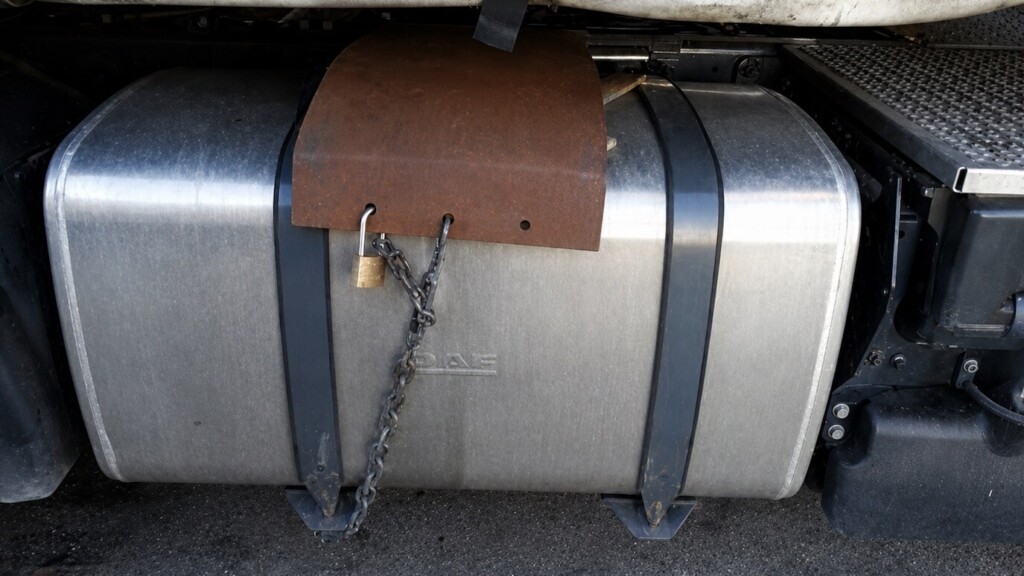
Trucks are a prime target for thieves. Various anti-theft devices exist: anti-theft caps, anti-siphon systems, protective plates, or electronic detectors on the fuel gauge. Despite these measures, some truck drivers don't lock their fuel filler flaps, preferring to be robbed rather than have their tanks broken into, which immobilizes their trucks and ultimately proves more costly.



Community
Comments
Comments are open, but protected against spam. Initial posts and comments containing links undergo manual review.
Be the first to comment on this article.