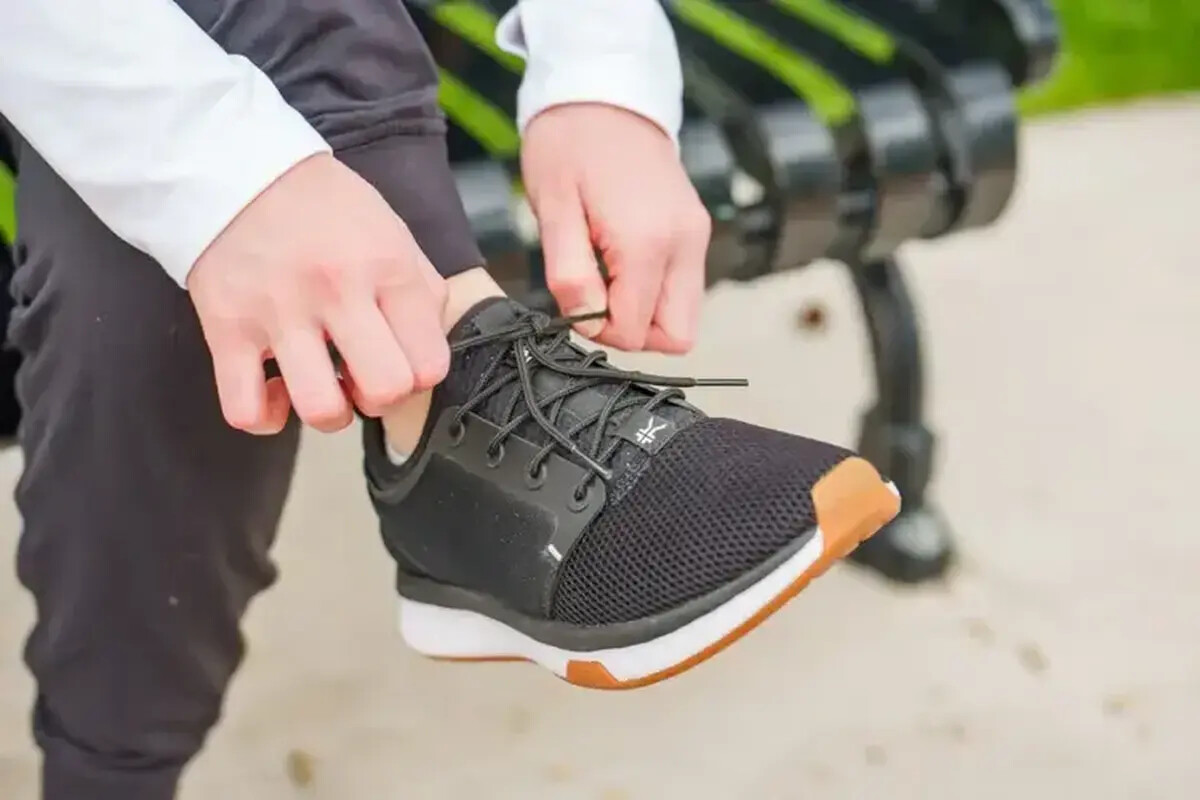
Back-to-school season is often a time to bring out a new pair of shoes. But when they're still stiff or don't fit properly, a few hours of walking can be enough to cause a blister. This small injury, usually caused by repeated friction, most often appears on the heel, toes, or sides of the foot. It can be painful, but simple treatment usually limits the discomfort and prevents complications.
The first rule is to reduce friction. As soon as an area becomes red, sensitive, or hot, it's best to remove your shoes and let your foot rest. Gently clean the area with soap and water, then dry it without rubbing. If the blister is still intact, it's best not to pop it: the skin covering it provides a natural barrier against bacteria.
Do you need to pierce a light bulb?
An intact blister can be protected with a suitable dressing, such as a hydrocolloid dressing. This forms a barrier against friction and can help relieve pain. Also, avoid immediately wearing the shoes that caused the problem. Clean, breathable, and sufficiently thick socks can help limit further friction when you resume wearing them.
If the blister has burst on its own, do not remove the remaining skin. Gently clean the area, dry it, and then cover it with a clean bandage. However, popping a blister yourself increases the risk of infection and is generally not recommended. A particularly large or very painful blister may require the attention of a healthcare professional, who can treat it under proper hygienic conditions.
Beware of signs of infection
Monitoring becomes important when the area changes in an unusual way. Spreading redness, significant heat, swelling, increasing pain, or the appearance of pus can be signs of infection. If fever or other severe symptoms develop, seek medical help promptly. People with diabetes or circulatory problems should also be especially careful with foot injuries.
To avoid blisters, it's best to gradually acclimate your feet to a new pair of shoes. Wear them for short periods at first and regularly check for areas of friction. Shoes that fit properly—neither too tight nor too loose—along with appropriate socks, can make a real difference. So, going back to school doesn't mean you have to choose between style and comfort: a few precautions can be enough to prevent new shoes from turning the first few days into a real ordeal.