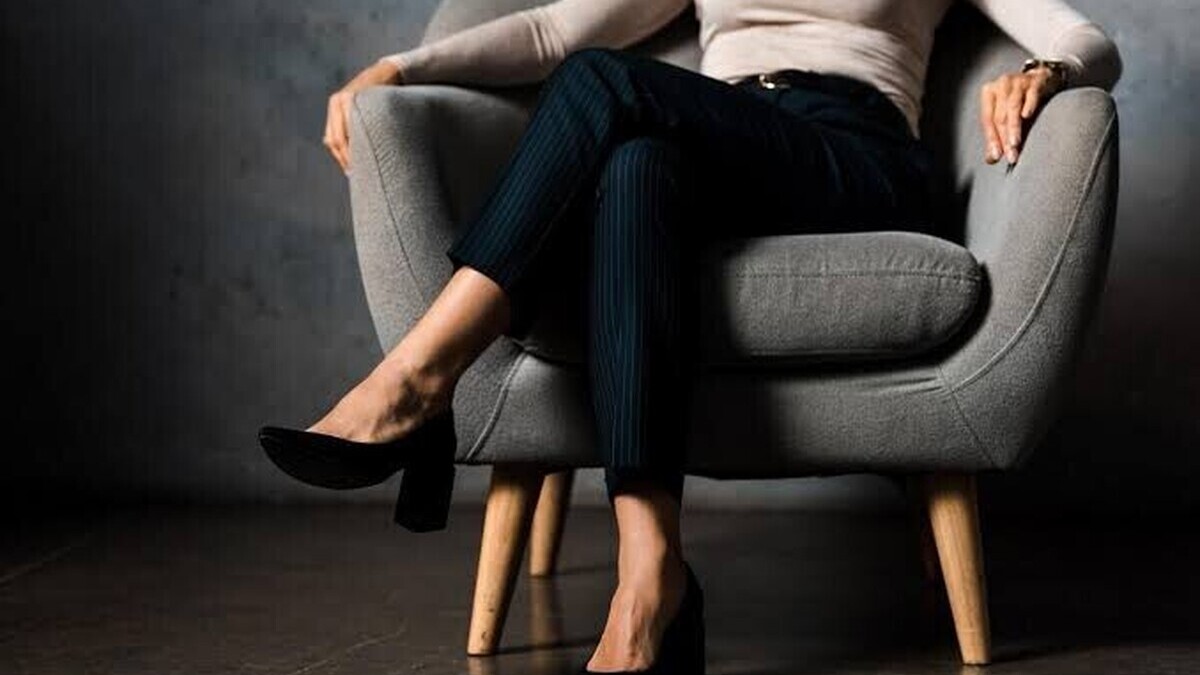
At the office, on public transport, or in front of the television, crossing our legs is a reflex we adopt without even thinking about it. Yet this position is regularly accused of cutting off blood circulation, causing varicose veins, or damaging the back. For a healthy person, it generally poses no danger when maintained for a few minutes. The real problem stems more from prolonged immobility than from crossing the legs themselves.
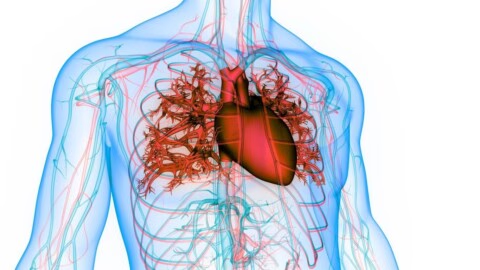
This posture can, however, temporarily slow venous return by compressing certain veins. It may therefore exacerbate the feeling of heavy legs or swelling in people already suffering from venous insufficiency. On the other hand, it does not directly cause varicose veins, thrombosis, or pulmonary embolism. These conditions are primarily associated with age, heredity, pregnancy, being overweight, certain illnesses, or prolonged immobility.
The back and nerves are more affected.
Keeping your legs crossed on the same side for extended periods creates a temporary pelvic asymmetry. This can lead to muscle tension in the hips and lower back, without necessarily damaging the spine or directly causing a herniated disc. Specialists primarily advise regularly changing positions and avoiding sitting for several hours without moving.
Prolonged leg crossing can also compress the fibular nerve near the knee, causing tingling or a feeling of numbness in one leg. These sensations usually disappear after changing position. To protect your back and circulation, it is recommended to get up for a few minutes every hour, move your ankles, and walk regularly. If the numbness persists or occurs frequently, medical advice may be necessary.