A cerebral aneurysm can remain completely silent for years, sometimes a lifetime. But when it ruptures, it can cause a particularly serious brain hemorrhage. What symptoms should raise concern, how is this anomaly detected, and can it be treated before it becomes dangerous?
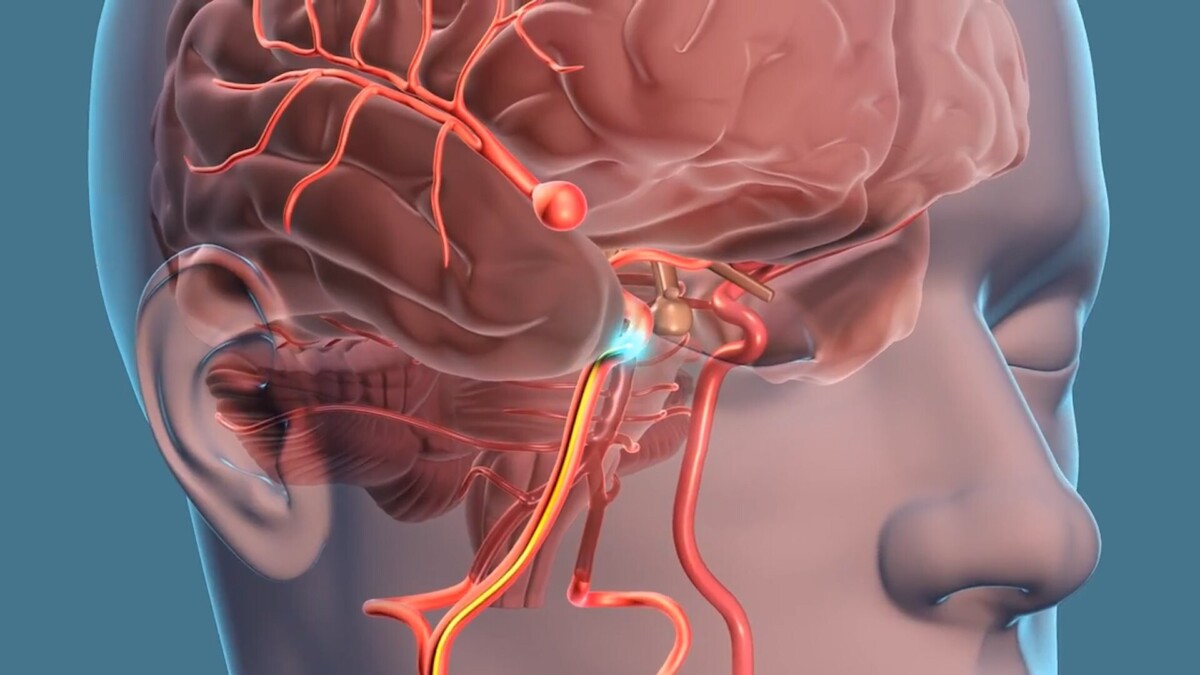
A cerebral aneurysm is a localized dilation of the wall of an artery in the brain, forming a small bulge due to blood pressure. This abnormality can be present for many years without causing any symptoms. Most aneurysms never rupture, and some are discovered incidentally during an MRI or CT scan performed for another reason. The risk of rupture depends on factors such as the size of the aneurysm, its location, its shape, and certain individual factors like smoking or high blood pressure.
An unusually severe headache
When an aneurysm ruptures, blood can leak into the space surrounding the brain, causing a subarachnoid hemorrhage. The most characteristic symptom is an extremely intense headache, appearing suddenly and reaching its peak within seconds or minutes. Some people describe it as the worst pain of their lives. This headache may be accompanied by vomiting, a stiff neck, visual disturbances, confusion, or loss of consciousness. Such a sudden onset requires immediate medical attention, even if the pain eventually subsides.
Not all severe headaches are caused by a ruptured aneurysm. Migraines, for example, can cause particularly intense pain. But an explosive headache, very different from usual pain, is a major warning sign. Some unruptured aneurysms can also cause symptoms when they compress nearby structures, such as a drooping eyelid, double vision, or pain around the eye. These symptoms require prompt medical evaluation.
Treatments to prevent rupture
When a rupture is suspected, doctors urgently perform brain imaging, usually a CT scan, supplemented if necessary by other tests. Once the aneurysm is identified, two main techniques can be used to secure it. Endovascular treatment involves inserting small devices into the blood vessels to exclude the aneurysm from circulation. Surgery can also be used to place a metal clip at its base to prevent blood from entering. The choice depends on the location and shape of the aneurysm and the patient's condition.
When an aneurysm is discovered before it ruptures, intervention is not always necessary. Some small aneurysms with a low risk can simply be monitored regularly with imaging, as treatments themselves carry risks. Doctors therefore weigh the expected benefit of intervention against the natural risk of rupture. Quitting smoking and controlling blood pressure are also important measures to reduce vascular risks.
A cerebral aneurysm illustrates a particular reality: a potentially serious abnormality can remain completely silent without ever causing complications. Therefore, not every migraine should be considered a sign of an aneurysm. However, a sudden, intense, and unusual headache should never be dismissed. In this situation, prompt medical attention can be crucial in preventing irreversible neurological damage.