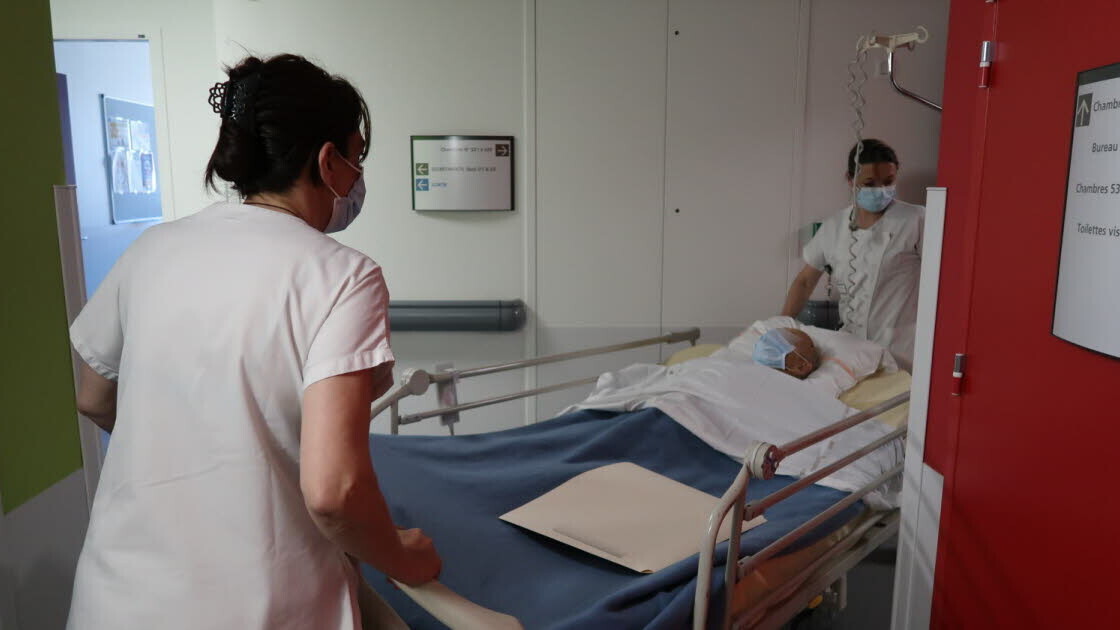
In many hospitals, stretcher bearers play a discreet but essential role in the smooth running of services. They ensure the safe transport of patients between the emergency room, wards, operating theaters, and various examination areas. When their numbers are insufficient, the entire hospital organization can quickly become strained.
Staff shortages can lead to further delays in transporting patients, with particularly noticeable consequences in already overcrowded departments. An examination or procedure may be delayed simply because a patient cannot be moved at the scheduled time. This situation also increases the pressure on nurses and nursing assistants, who may be asked to perform tasks that are not directly part of their job description.
An essential profession, but difficult to recruit for.
The role of stretcher-bearer remains essential to the patient care chain. The irregular hours, physical labor, repeated travel, and daily exposure to illness make this a demanding profession. In some facilities, recruitment and replacement difficulties can also exacerbate tensions during periods of leave or absences.
Beyond the mere issue of staffing levels, this question reveals the vulnerabilities of a hospital system where each profession is interdependent. A shortage of stretcher-bearers can disrupt patient flow and waste time for medical teams already under considerable strain. For hospitals, increasing recruitment, improving working conditions, and better recognizing the value of these roles therefore appear to be a concrete challenge in order to limit delays and maintain the quality of care.