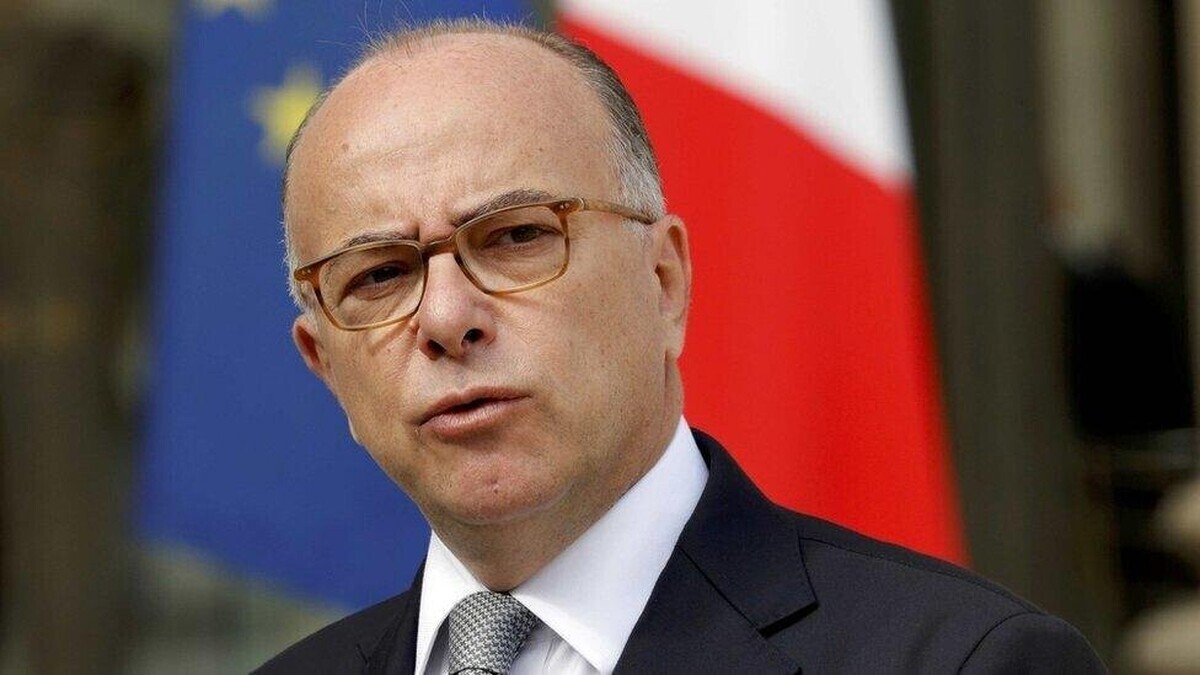
In a lengthy letter addressed "to the French people," Bernard Cazeneuve outlines his vision for the country and sketches the contours of a genuine presidential project. The former Socialist Prime Minister wants to break with what he describes as a "decline" in France and proposes rebuilding public action around three priorities: protecting the French people, restoring the State, and re-establishing the country's sovereignty.
Bernard Cazeneuve begins by offering a particularly harsh assessment of recent years. He denounces a state that has progressively withdrawn from certain areas, the weakening of public services, the crisis in schools and hospitals, and what he considers a chronic political instability. He also criticizes an overly interventionist presidency and argues for a return to a head of state who is more detached from the fray.
Regarding institutions, the former Prime Minister proposes, among other things, a return to a seven-year presidential term and wants to restore to the Prime Minister the effective leadership of national policy. He also advocates introducing an element of proportional representation in legislative elections, limiting the use of expedited procedures and Article 49.3 of the Constitution, and strengthening checks and balances. At the same time, he wants to reduce media concentration and implement a broad policy of administrative simplification.
Pensions, taxation and public services
On pensions, Bernard Cazeneuve rejects a further general increase in the legal retirement age. He prioritizes contribution periods, wants to reinstate hardship criteria allowing for early retirement, better protect long careers, and develop phased retirement schemes and employment opportunities for older workers. He also advocates a "golden rule for social security" designed to guarantee the sustainable financing of the social security system and to require the state to fully compensate for exemptions from social security contributions.
On tax matters, he calls for increased contributions from the very wealthy and capital gains, while rejecting a tax system he considers punitive for investment and production. He wants to simplify the tax system, reduce certain loopholes, and use some of the savings to lower taxes on production. Controlling the debt is also becoming a priority, as the former Prime Minister believes it places an unfair burden on future generations.
Bernard Cazeneuve also places security at the heart of his platform, believing it "is not a right-wing issue." He proposes the return of community policing with dedicated officers, increased prevention efforts, and a strengthened fight against drug trafficking and organized crime. Regarding children, he wants increased oversight of professionals working with minors, more inspections, and a national system to track every report so that no alert goes unanswered.
Finally, the former Prime Minister advocates for a ten-year reindustrialization plan, the maintenance and renewal of nuclear power, an agricultural policy focused on food sovereignty, and a comprehensive ecological plan for school renovations. He wants to create a "climate-focused DATAR" (Interministerial Delegation for Regional Planning and Development) tasked with adapting regions to global warming and investing heavily in education, particularly in improving teacher status and mastering artificial intelligence. His platform clearly claims a connection to a "republican, social, European, and reformist left."
Without formally announcing a candidacy for the Élysée Palace in this letter, Bernard Cazeneuve clearly adopts the tone of a man who intends to offer an alternative way of governing. "The country is not broken: it is poorly governed, poorly represented, poorly regarded," he writes, before directly inviting the French people to respond to him and to participate in shaping the future.