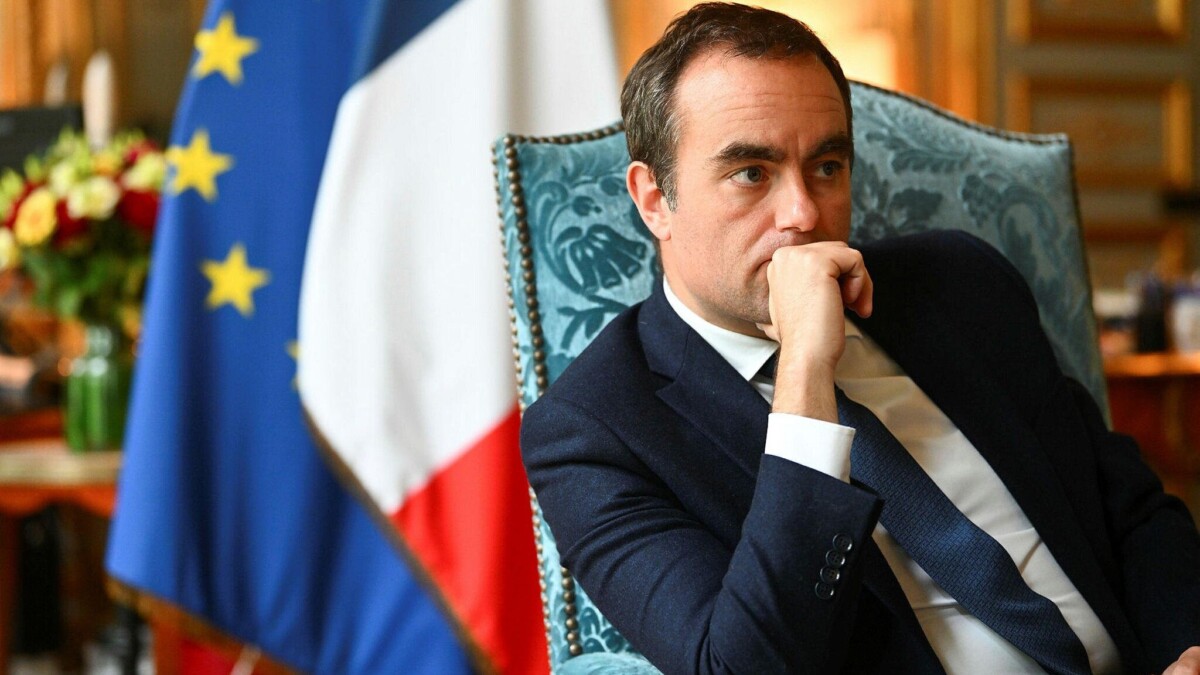
The war against budget leaks is sparking controversy over press freedom. Annoyed by the publication in Les Échos of proposals being considered by the government for the 2027 budget, Sébastien Lecornu filed a complaint with the Paris prosecutor . This move was sharply criticized by Le Monde, which on Saturday denounced a "worrying display of authoritarianism" and expressed concern about a threat to the protection of journalistic sources.
The anger at the Prime Minister 's office stems from revelations in Les Échos concerning a proposal to subject a portion of employee savings plans, including profit-sharing, employee stock ownership plans, and certain employer matching contributions, to social security contributions. The government maintains that these were merely "internal discussions" and that no final decision had been made.
Sébastien Lecornu has nevertheless decided to take legal action. Matignon has forwarded a report under Article 40 of the Code of Criminal Procedure to the Public Prosecutor of Paris , considering that the transmission of internal documents could constitute, in particular, a "breach of trust" or a "violation of professional secrecy".
Le Monde denounces an "outburst of authoritarianism"
In a particularly scathing editorial, Le Monde argues that the Prime Minister 's decision undermines the protection of journalistic sources, a principle essential to freedom of information. The newspaper also expresses surprise at the Prime Minister's office's argument that "budget preparation falls within the higher interests of the State and the Nation, and must be protected."
The controversy is all the more intense given that certain budgetary options are simultaneously being publicly discussed by members of the government. Roland Lescure had thus acknowledged that taxing employee savings plans was among the possibilities being considered, while Sébastien Lecornu himself detailed several budget guidelines in a letter addressed to business leaders.
Matignon wants to identify the source of the leaks
The government's argument is different. The Prime Minister's office believes that releasing unapproved documents could trigger economic reactions based on information that may not reflect the final decisions. The government even raises concerns about potential repercussions on investment decisions and the terms of France's borrowing.
The affair now goes far beyond the issue of employee savings plans alone. Just weeks before the presentation of a particularly sensitive budget, and while the government is seeking approximately 30 billion euros in savings, Sébastien Lecornu's determination to track down leaks opens a new front: that of protecting sources and the freedom of journalists to report on decisions being made at the highest levels of government.