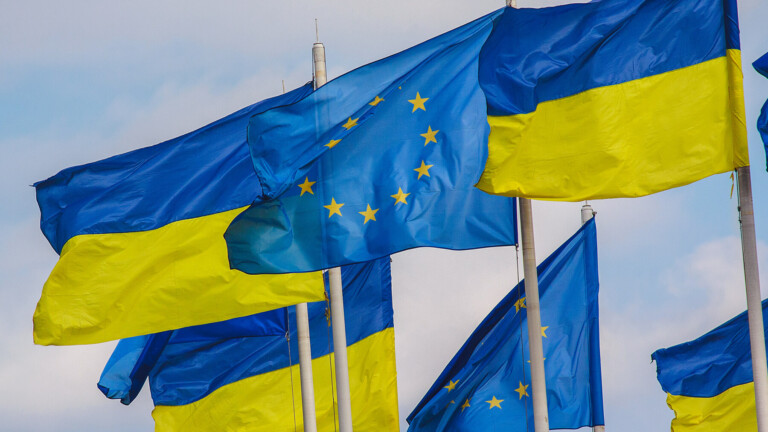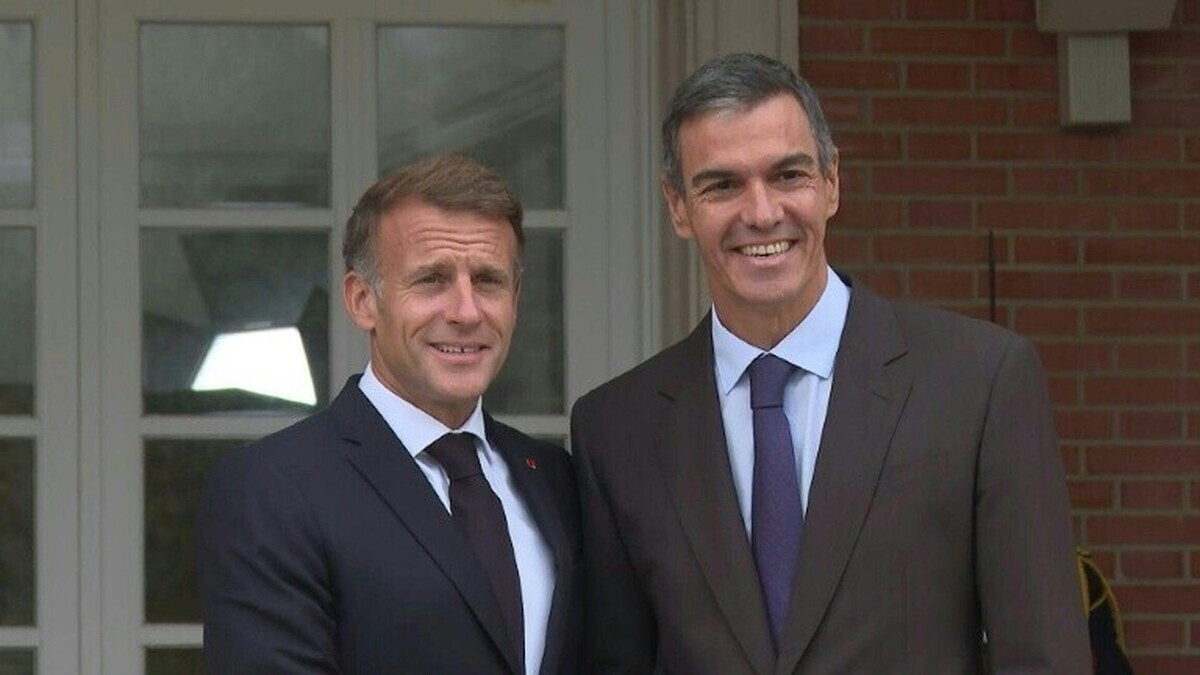
Emmanuel Macron and Pedro Sánchez presented a joint position in Madrid on Wednesday, September 30, in favor of a larger European budget for the 2028-2034 period. On the second day of the French president's state visit to Spain, the two leaders advocated for an increase in the European Union's investment capacity, particularly to finance innovation, competitiveness, and reindustrialization. This stance comes as the European Commission has proposed a multiannual financial framework of nearly €2 trillion over seven years, representing approximately 1,26% of the Union's gross national income.
Emmanuel Macron has notably advocated for more own resources to limit the increase in direct contributions from member states. The Commission has already proposed five new sources of European revenue, drawn in particular from the carbon market, the carbon border adjustment mechanism, uncollected electronic waste, tobacco, and a contribution from certain large companies. These resources are also intended to contribute to the repayment of debt incurred under the post-Covid European recovery plan.
Paris and Madrid want to invest more in innovation
The French president also raised the issue of the repayment schedule for the joint debt incurred during the pandemic. He believes the Union should consider extending some repayment deadlines to free up more resources for future investments. The next European budget already includes €409 billion earmarked for competitiveness, research, and innovation, which are among the top priorities of the plan presented by Brussels.
Pedro Sánchez said he shared this approach and also called for a more ambitious budget. Negotiations are expected to be difficult, however, as the next financial framework will require unanimous approval from member states in the Council, with the consent of the European Parliament . Discussions are scheduled to continue until 2027 before the new budget comes into effect in January 2028.
Persistent nuances regarding China
Paris and Madrid also share a common desire to strengthen European industrial competitiveness, even if their positions diverge more significantly on China. Emmanuel Macron has emphasized the need to better protect European companies from Chinese competition, while avoiding a trade war. Pedro Sánchez, for his part, advocates a more open approach to Chinese investment, particularly in the automotive sector, while acknowledging the problem posed by the European trade deficit with Beijing.
The two leaders do, however, agree on one objective: to secure more technology transfers to Europe and strengthen the continent's capacity to produce on its own soil. Behind the budget debate, therefore, lies a broader issue of economic sovereignty, as the European Union seeks to simultaneously finance its defense, its energy transition, its infrastructure, and its innovation lag.