

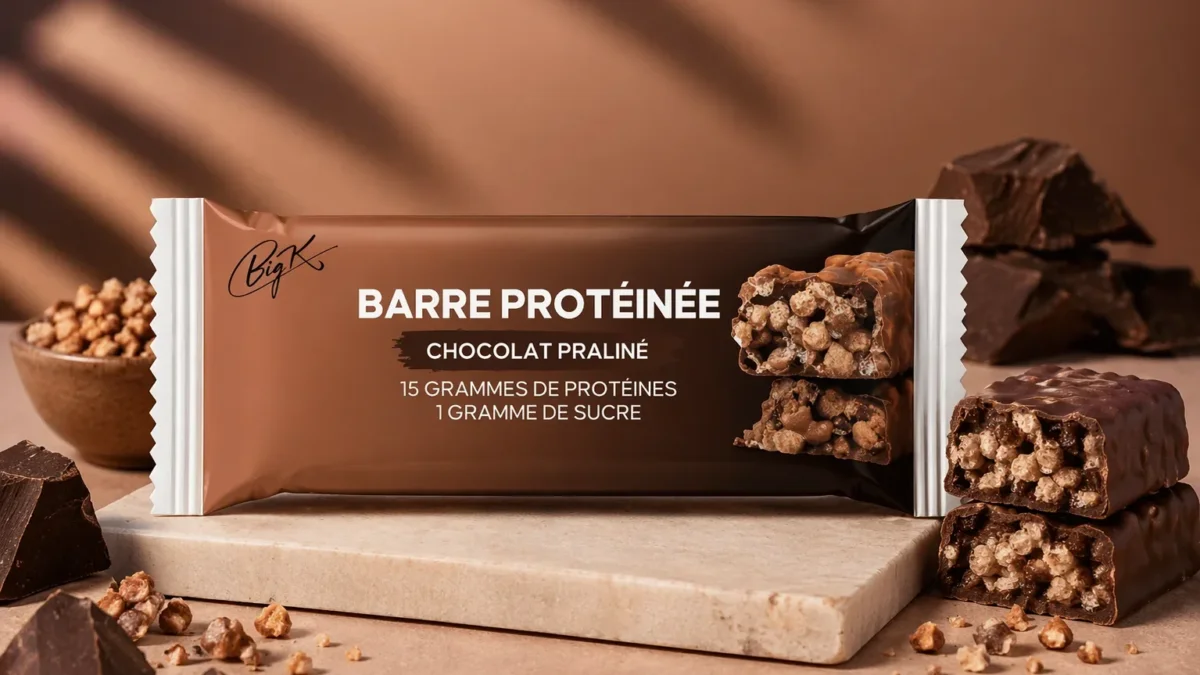
Long reserved for bodybuilders and elite athletes, protein bars have conquered supermarket shelves, gyms, and vending machines. Their success rests on a remarkably effective promise: to quickly provide protein, satisfy hunger, and avoid traditional, often sugarier, biscuits. Manufacturers are now targeting a very broad audience, from casual athletes to busy professionals, as well as consumers looking to lose weight. The packaging emphasizes the grams of protein and claims of no added sugar, sometimes giving the product an almost clinical image.
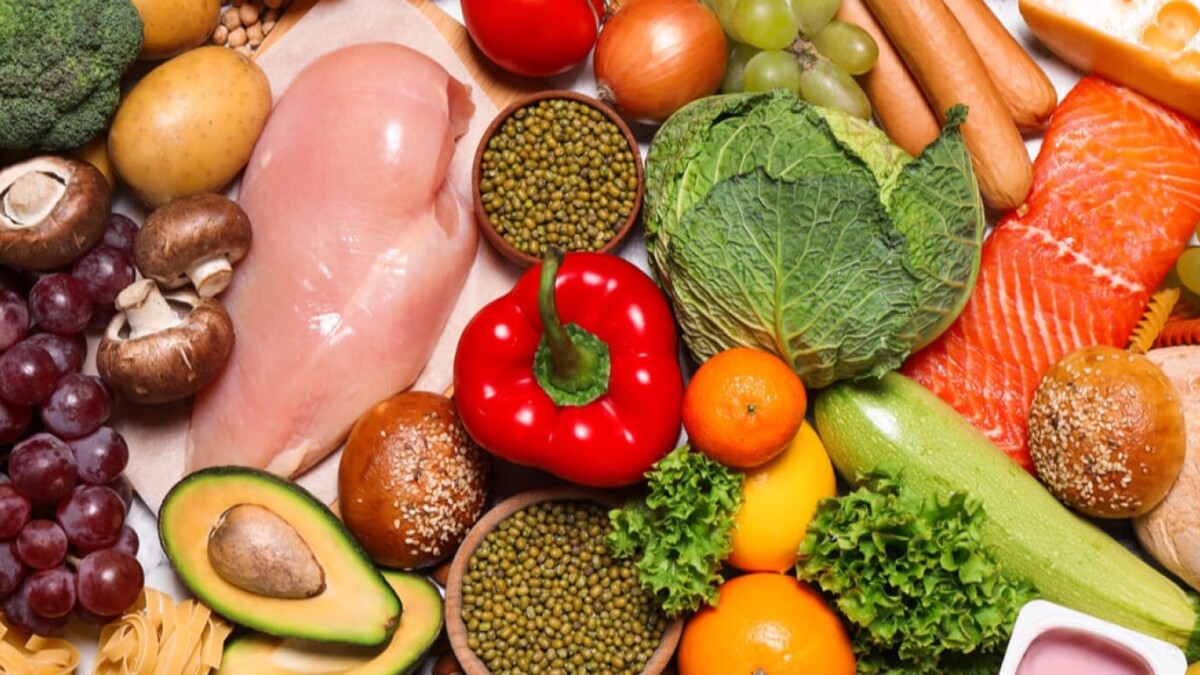
A protein bar typically contains between 10 and 25 grams of protein from milk, whey, soy, peas, or collagen. This concentration can be useful after intense training or when a balanced meal isn't readily available. However, it's not essential for most consumers. According to ANSES (the French Agency for Food, Environmental and Occupational Health & Safety), protein should represent between 10% and 20% of daily energy intake for adults, a need that can usually be met by eggs, dairy products, fish, meat, legumes, cereals, and nuts.
A composition to examine beyond proteins
The amount of protein prominently displayed on the label is not enough to determine the nutritional quality of a bar. Some products also contain saturated fats, chocolate, syrups, sweeteners, flavorings, texturizers, and a long list of additives. A bar marketed as low in sugar may contain polyols, such as maltitol, high consumption of which can cause bloating or digestive problems. Therefore, it's essential to compare the energy value, sugars, saturated fats, fiber, and the complete list of ingredients. A 200-calorie bar is still an energy-dense food, even if its packaging suggests a slimming or performance-enhancing image.
Protein bars can be a convenient solution, but they shouldn't become a regular meal replacement or be consumed automatically after every workout. The French Agency for Food, Environmental and Occupational Health & Safety (ANSES) urges caution regarding the proliferation of fortified foods and supplements marketed to athletes, especially when combined with medications or purchased from unreliable websites. For consumers, the best bar is generally one with a short ingredient list, a reasonable amount of sugar, sufficient fiber, and a clearly identified protein source. Unless there's a specific need, yogurt, a piece of fruit with a few nuts, or a slice of whole-wheat bread can provide a less processed, often less expensive, and equally satisfying snack.





Community
Comments
Write a comment
Be the first to comment on this article.