The U.S. military struck three tankers linked to the Revolutionary Guards in the Gulf region on Saturday, in response to Iranian attacks on two American ships. Tehran immediately announced counterstrikes, escalating a military crisis now spreading across multiple regional fronts.
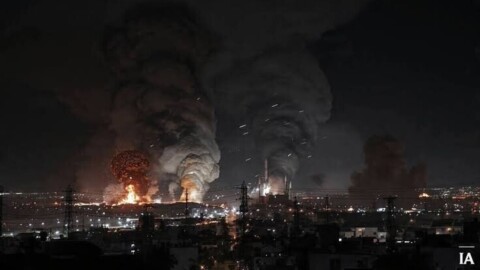
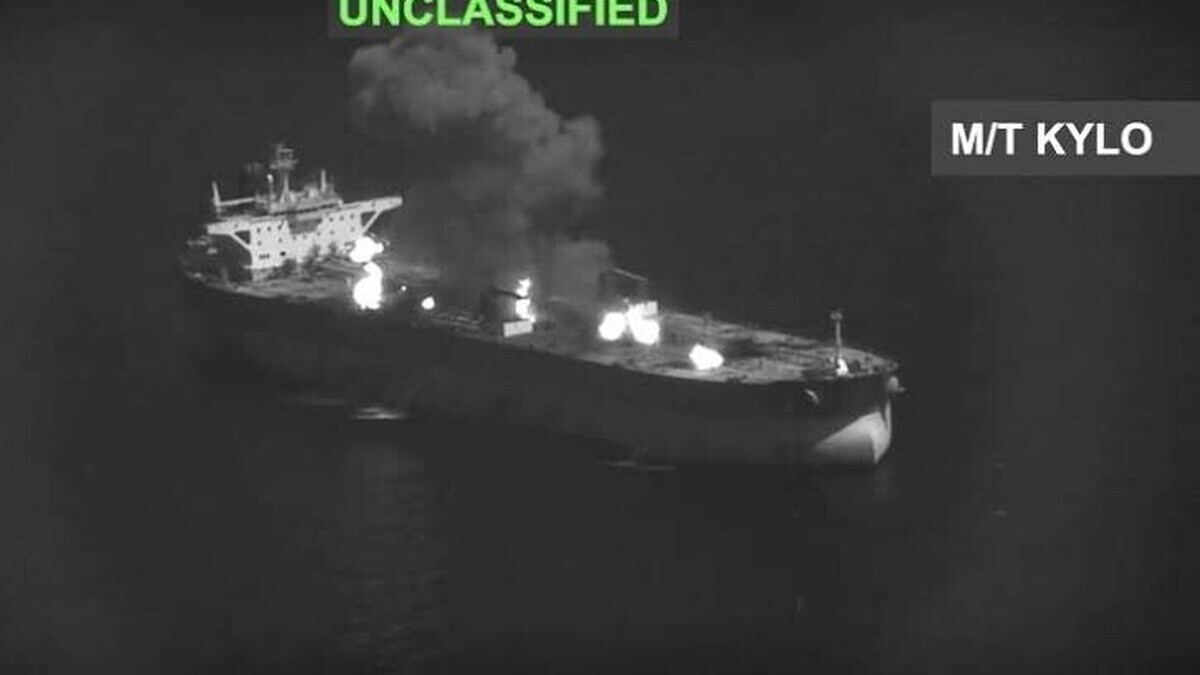
Two tankers “permanently neutralized” and a third “completely destroyed”: this is the toll claimed Saturday by the U.S. Central Command (Centcom) after strikes carried out in the Gulf against vessels belonging to a network it describes as having financed the Revolutionary Guards and their allies to the tune of “several billion dollars.”
The three targeted tankers were located at distinct positions: one off Kharg Island, where Iran’s main Gulf oil terminal is located, the second near the Strait of Hormuz close to Jask, and the third in the Gulf of Oman. The U.S. military specifies that an aircraft carrier and a destroyer had previously “escaped multiple unprovoked Iranian attacks” and that no American military personnel were injured.
The Iranian response was swift. The Revolutionary Guards claimed to have targeted “three tankers using the unauthorized route of the Strait of Hormuz, as well as three ships affiliated with America in other sectors.” On their Telegram channel, they warned all vessels against any attempt to transit through “unauthorized waterways.” The Iranian Joint Central Military Command, Khatam al-Anbiya, warned that further U.S. strikes would lead to “harsher retaliation than before” and could “expand.”
Iranian diplomacy has “strongly” condemned the strikes, which it calls “illegal.” A correspondent for Iranian state television in Kharg confirmed that a tanker was hit near the island, without reporting any casualties. In Jask, another journalist from the same channel reported attacks on two tankers, one empty and the other loaded with oil, with crews evacuated ashore.
Centcom chief Brad Cooper summarized the American logic bluntly: “If you fire on two of our ships, we will impose an even greater economic price on you: you lose three.” President Donald Trump had described these operations on Friday as “targeted strikes,” assuring that the United States is “not currently at war.”
This resurgence of violence is part of a conflict ongoing since a U.S.-Israeli offensive against Iran in late February. After a relatively calm August, clashes resumed on August 30, with Washington citing the need to prevent rockets loaded with naval mines from being fired into the Strait of Hormuz. Iran continues to block this strategic passage while the United States maintains a blockade on Iranian ports, with neither side showing signs of backing down. New U.S. sanctions against Tehran have also been announced in recent days.
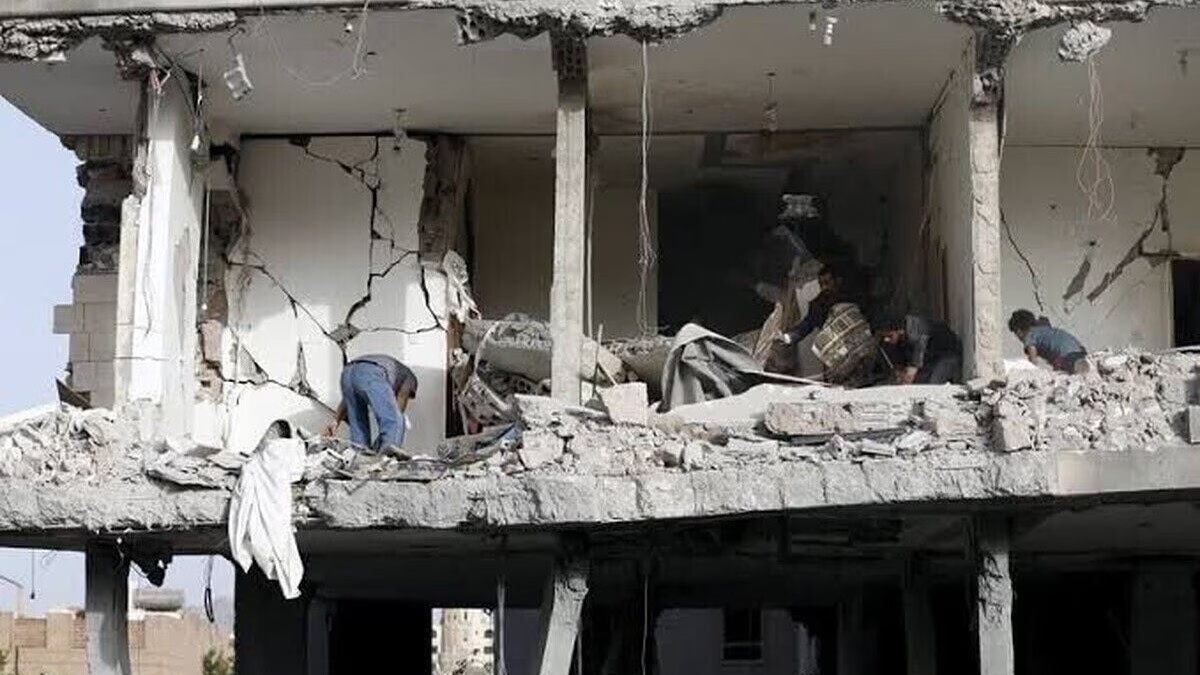
The conflict, which has already caused thousands of deaths and triggered a sharp rise in oil prices, is spreading across several fronts. In Yemen, where a truce had ended years of fighting between government forces and pro-Iranian Houthi rebels, new clashes have caused nearly 200 deaths since Thursday. In Lebanon, drawn into the war in March by Hezbollah, Israeli strikes killed four people on Friday, including a young woman, according to the Lebanese Ministry of Health.