The fate of the separatist leader of southern Yemen, Aidarous al-Zubaidi, intensified the political and security crisis in the region on Wednesday, as tensions persist between Saudi Arabia and the United Arab Emirates. His absence from a scheduled flight to Riyadh, where talks on the future of the south were to be held, revived fears of a prolonged escalation of the conflict.
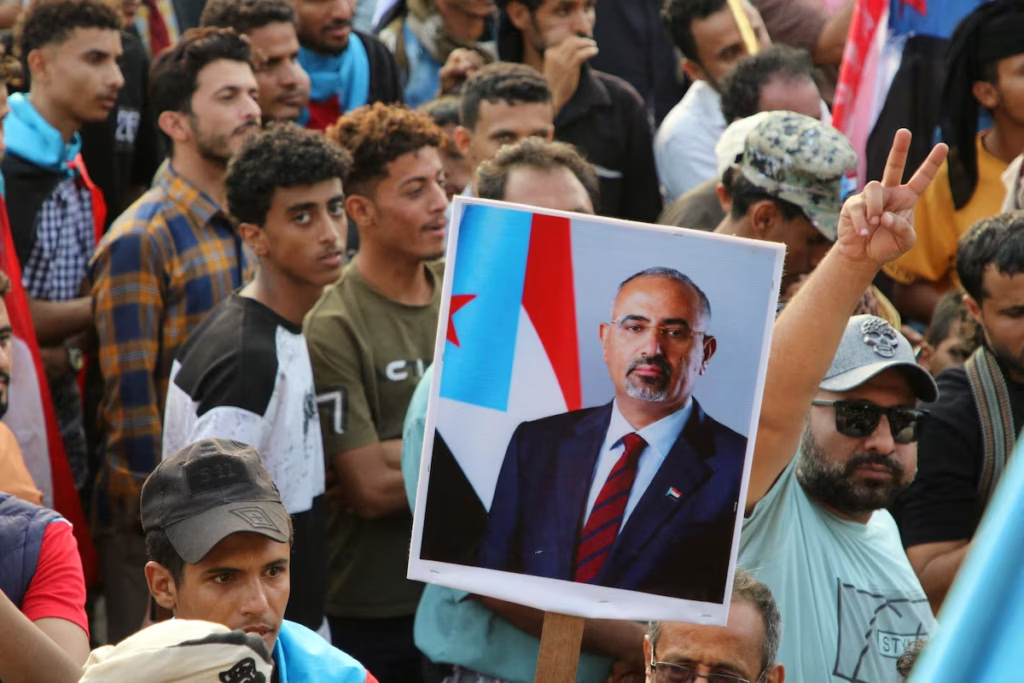
The Southern Transitional Council (STC), supported by the United Arab Emirates, stated that Zubaidi was in Aden to oversee military and security operations, rejecting accusations that he had fled. However, the movement acknowledged losing contact with its political delegation sent to Saudi Arabia, adding to the uncertainty surrounding the negotiations.
On the Saudi side, the coalition supporting the internationally recognized Yemeni government claimed that Zubaidi deliberately missed his flight and accused him of moving armed forces and distributing weapons to sow unrest. Government forces were simultaneously advancing toward Aden, according to Saudi media, fueling fears of new clashes.
This sequence has dashed hopes for a swift resolution of the recent fighting in southern Yemen. It especially highlights the growing rift between Riyadh and Abu Dhabi, two pillars of the coalition originally formed to fight the Houthis, who are supported by Iran. The differences between the two Gulf powers, already visible on other regional issues, are now openly expressed on the Yemeni battlefield.
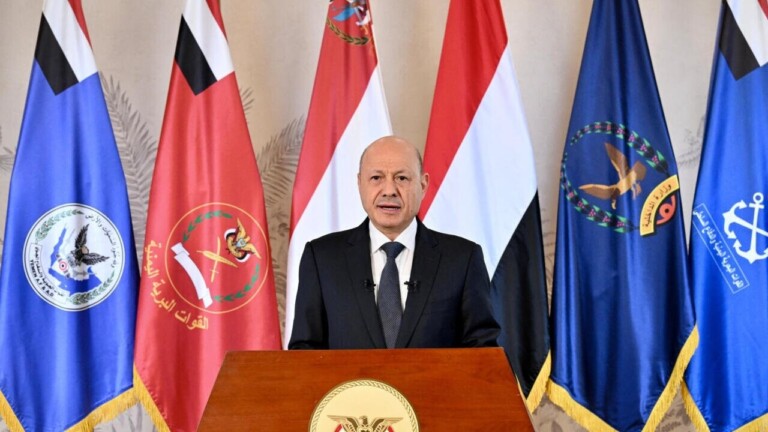
The Saudi-backed presidential council announced that it had dismissed Zubaidi from his duties and referred him to justice on charges including high treason. He is accused of inciting armed rebellion, attacking constitutional institutions, and committing abuses against civilians in the south of the country.
Created in 2017 with the support of the United Arab Emirates, the STC eventually joined the government coalition controlling southern and eastern Yemen. But the sudden takeover of vast territories by its forces last month disrupted the fragile balance of power, now pitting Riyadh and Abu Dhabi directly against each other. Recent Saudi airstrikes in the south of the country reflect the severity of the crisis, while any prospect of de-escalation currently appears compromised.