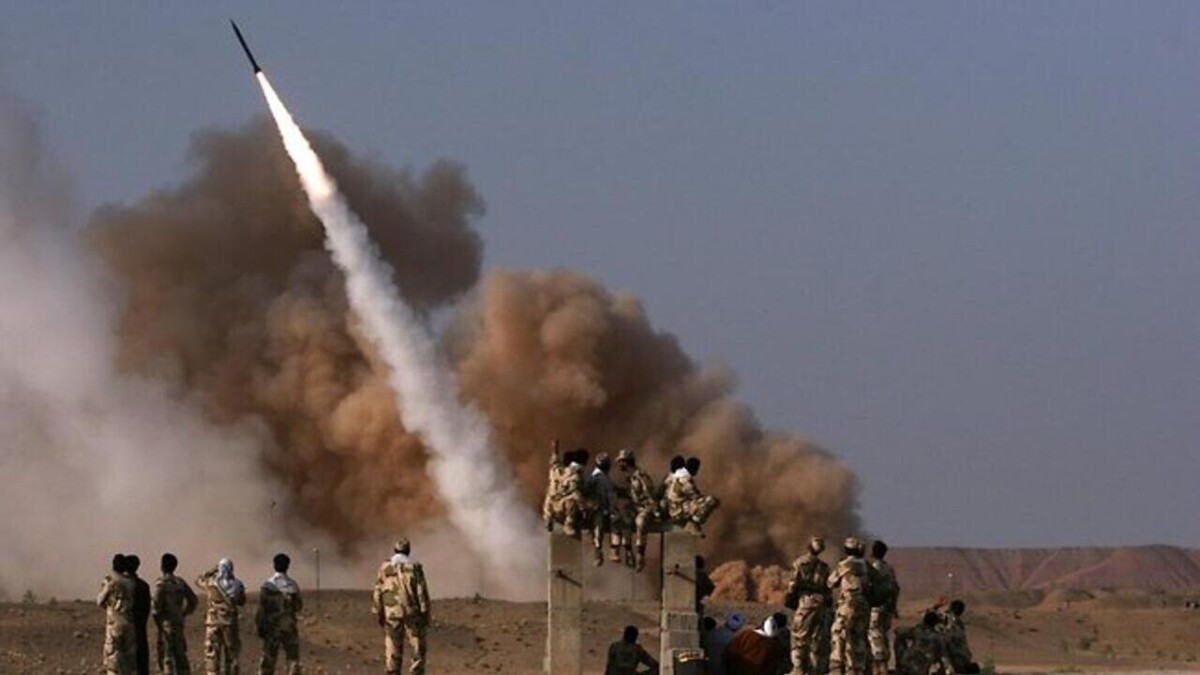
The Iranian military command claims to have information about an American preparation to resume attacks against Iran. While the two countries have been in conflict since last February, the week of the United Nations General Assembly opens amid diplomatic and military double talk.
The Khatam al-Anbiya Central Headquarters, which oversees all Iranian armed forces, issued a solemn warning on Sunday: Washington is preparing to resume its strikes against Iran. Any new American attack, Tehran warns, would lead to reprisals against US bases and interests in the Middle East. Iran also warns regional countries against any form of cooperation with Washington: those who allow the use of their territory or facilities for offensive purposes would be « considered accomplices » and would face an Iranian response.
This renewed tension comes after several months of relative calm. A sixty-day memorandum, concluded in June, had reduced the intensity of the fighting, but it expired last month. Since then, incidents around the Strait of Hormuz have multiplied. Navigation data concretely illustrate the effects of the conflict: twelve merchant ships passed through the strait over the past weekend, compared to thirty-five the previous weekend. The strait, a crucial passage between the Gulf and the Arabian Sea, conditions a significant portion of global energy supplies. The Iranian Parliament Speaker, Mohammad Bagher Ghalibaf, stated before deputies that the strait would remain closed as long as Washington has not honored its commitments under the previous agreement.
The conflict began at the end of February following joint American-Israeli strikes on Iranian territory. Since then, Tehran has transmitted to its Qatari and Pakistani mediators a list of preconditions for any resumption of negotiations: cessation of hostilities and American attacks, unblocking of frozen Iranian assets, and lifting of the naval blockade imposed on Iranian ports.
On his side, US President Donald Trump declared on Fox News Sunday that he was in a « decision » phase regarding Iran, mentioning three options: new military actions, increased economic pressure, or reaching an agreement. He added that he would be willing to meet Iranian President Masoud Pezeshkian on the sidelines of the United Nations General Assembly in New York this week.
The Iranian Foreign Minister, Abbas Araghchi, left Tehran Sunday evening for New York, with a stopover in Qatar, a country playing a central mediation role between the two belligerents. The spokesperson for the Qatari Ministry of Foreign Affairs, Majed al-Ansari, indicated that Doha had received assurances from American officials regarding Washington’s willingness to reach an agreement. Qatari emissaries are circulating between capitals to try to revive talks.
Observers note that Tehran deliberately plays on two simultaneous registers, keeping the door open for a diplomatic solution while displaying its military determination. A Republican strategist and former White House national security official, Mark Pfeifle, summarizes the situation by referring to a « frozen conflict » in which both parties seek to increase their respective pressure before possible discussions on the sidelines of the UN gathering.