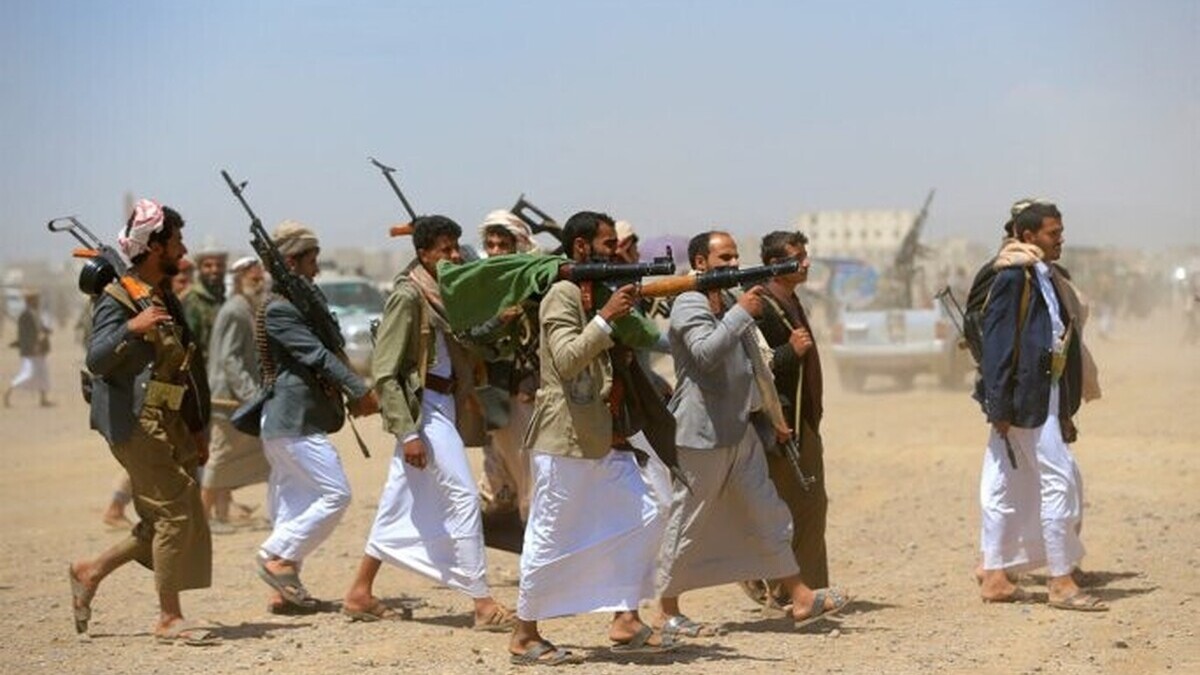
Yemen’s Houthi rebels claim they have not closed the Bab al-Mandeb Strait, specifying that their blockade targets only Saudi vessels. Meanwhile, the United States has struck Iran for the thirteenth consecutive night, while Donald Trump asserts that Tehran is becoming « increasingly serious » in ongoing talks.
Houthi spokesperson Mohammed Abdusalam posted on X that « there is no closure of Bab al-Mandeb as some suggest, » specifying that the movement is conducting a « naval blockade targeting only the Saudi side. » The Houthis justify this measure by what they describe as a Saudi siege of the areas they control in Yemen.
The Bab al-Mandeb Strait connects the Red Sea to the Gulf of Aden and the Indian Ocean. It is a crucial transit route for Saudi crude exports, especially since insecurity in the Strait of Hormuz has already forced Riyadh to redirect part of its exports to the western port of Yanbu. Oil prices temporarily exceeded $100 per barrel for the first time since May, due to combined tensions in both straits.
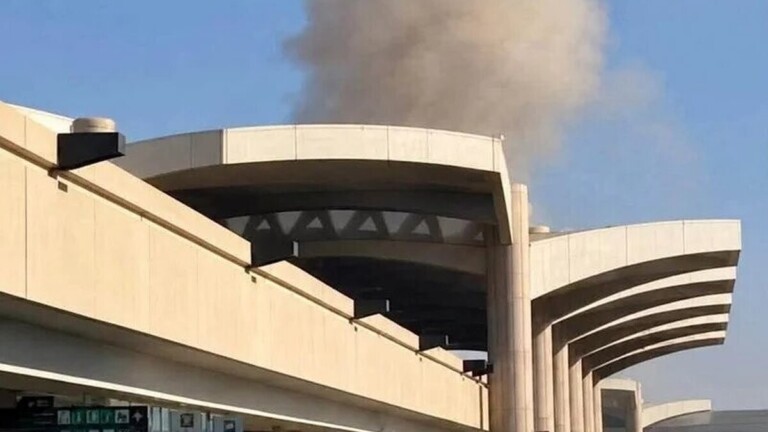
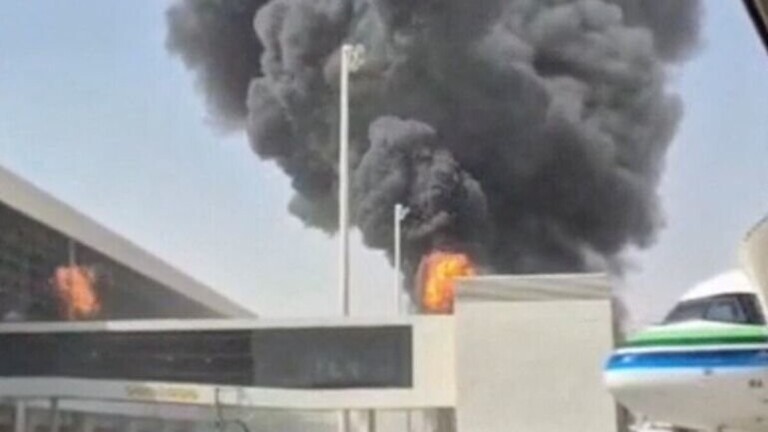
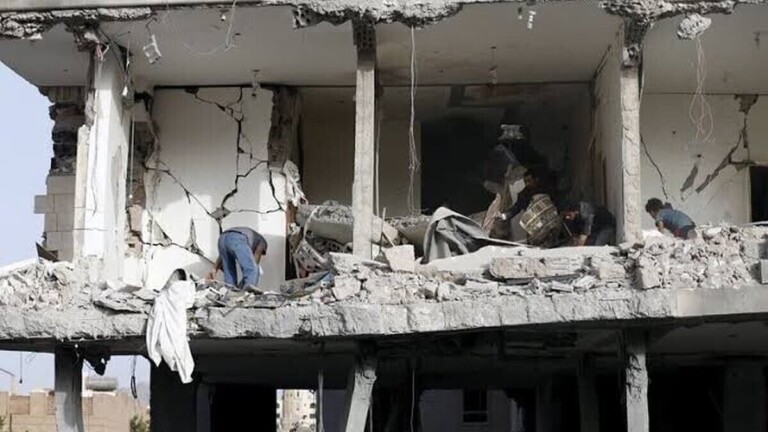
Saudi Arabia responded by striking Hodeidah, a port city controlled by the Houthis, according to Al-Masirah, a channel close to the rebel movement. Airstrikes reportedly targeted telecommunications authority facilities, as well as Kamaran Island in the Red Sea, also under Houthi control. The official Saudi agency SPA reported that a Saudi ship was again targeted on Friday, sustaining « minor hull damage. »
The European naval mission ASPIDES raised its threat level in the Bab al-Mandeb Strait for merchant vessels, judging the risk of escalation as high.
On the Iran-US front, the United States conducted its thirteenth consecutive night of strikes against Iran. The US Central Command indicated it targeted military capabilities threatening commercial navigation. Tehran confirmed that a base of the Islamic Revolutionary Guard Corps (IRGC) in Gilan province, in the north of the country, was hit. According to the province’s deputy governor, Ali Bagheri, « no human casualties have been reported so far. » Night strikes on Khuzestan province, in the southwest, however, caused at least four deaths and five injuries, according to the official IRNA agency.
In Bahrain, warning sirens sounded early Friday morning, urging the population to take shelter, a few hours after the US announcement of a new series of strikes.
Donald Trump, questioned at the White House about possible imminent massive strikes against Iran, replied that he had made no decision in this regard. « We are talking to them right now. I think they are becoming more and more serious day by day, » he said. Iranian authorities have not confirmed the existence of talks with Washington. A ceasefire agreement had failed on July 8.
On Truth Social, Trump claimed that Presidents Xi Jinping and Vladimir Putin personally assured him that their countries would not supply weapons to Iran. « I take them at their word, » he wrote regarding the Chinese leader. However, US intelligence services are investigating, according to Reuters, possible Russian assistance to Iran to target CIA facilities in the Middle East. China has denied any arms transfers to Tehran.
Iranian Foreign Minister Abbas Araghchi, on the sidelines of the Shanghai Cooperation Organization summit in Kyrgyzstan, warned that any country assisting US strikes would bear « international responsibility » and become a « legitimate target » of Iranian forces.
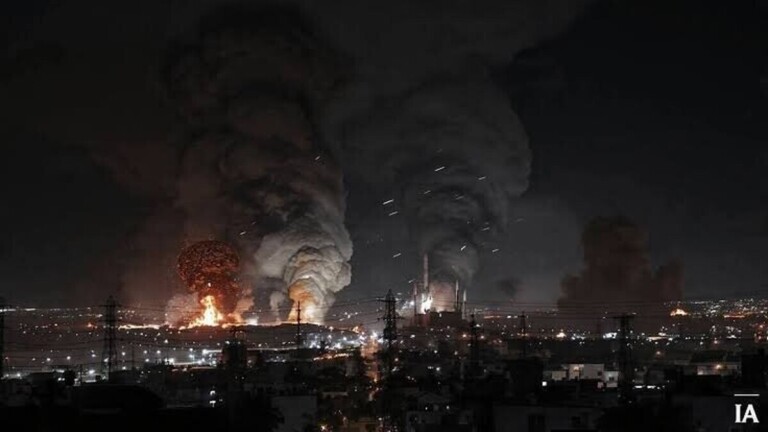
Explosions were also heard near Erbil airport, capital of the Iraqi Kurdish autonomous region, Friday morning. An Associated Press journalist counted at least seven detonations and observed four columns of black smoke near a military base hosting US forces. A drone crashed near the airport, causing a temporary suspension of flights.
In occupied West Bank, the Israeli army killed four Palestinians during clashes near the village of Tell, southwest of Nablus. Two Israelis also lost their lives. According to the head of the Tell municipal council, Walid Zidan, armed Israeli settlers entered the village before soldiers and settlers opened fire on residents. The Israeli army claims its nationals were hiking in the area and were attacked. Prime Minister Benjamin Netanyahu promised to « act with all necessary force against terrorists. »
The UN has called on parties to the conflict to facilitate the repatriation of about 6,000 sailors stranded on ships in the Strait of Hormuz. High Commissioner for Human Rights Volker Türk demanded urgent consular assistance and guaranteed safe passage. His spokesperson specified that 17 crew members have been killed since the conflict began in late February, and at least 93 other sailors, aboard nine ships, have been abandoned at sea by their shipowners, without food, water, fuel, or medical care.