The unexplained death of a young employee at a Russian laboratory specializing in infectious disease research continues to raise international questions. The World Health Organization (WHO) stated on Saturday, October 10, 2026, that it is still awaiting a precise diagnosis regarding the death of a 28-year-old technician that occurred on October 2 in Irkutsk, Siberia. Initial reports mentioned a possible contamination by pneumonic plague, a particularly severe form of the disease. However, Russian authorities assure that analyses conducted revealed no dangerous pathogens. Despite these statements, the WHO considers that it does not have sufficient elements to definitively determine the origin of the fatal infection.
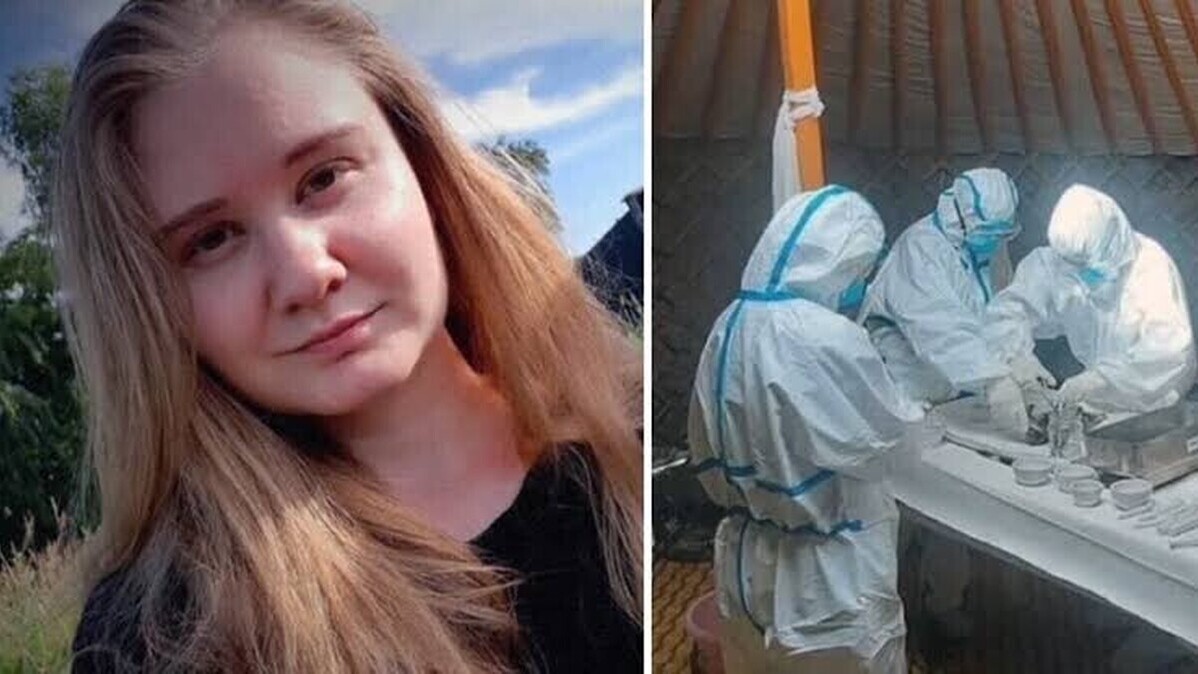
The victim, identified as Daria Chipilova, worked at the Irkutsk Anti-Plague Research Institute, an establishment specialized in studying microorganisms capable of causing serious diseases. Hospitalized on September 29 for severe pneumonia, she died three days later. Her professional activity immediately led health authorities to consider the hypothesis of exposure to a dangerous infectious agent. Russian media notably reported that an incident might have occurred in the laboratory, mentioning the accidental breakage of a container holding bacteria. However, this version has never been confirmed. Russian authorities assert instead that two independent investigations identified no breaches of biological safety rules in the facility.
Nearly 200 People Under Medical Surveillance
Faced with uncertainties surrounding the death, Russian health services quickly implemented precautionary measures. Nearly 200 people who had contact with the young woman were identified and placed under medical surveillance, either at home or in healthcare facilities. Temporary restrictions were also applied in the hospital where she had been treated. According to information provided by Moscow to the WHO, no contact showed symptoms compatible with a dangerous infection during the observation period. Authorities indicate that analyses conducted on the individuals concerned revealed no high-risk pathogens. By October 9, medical monitoring had been lifted for all identified contacts.
Russian officials also state that a wide range of tests were conducted to search for various viral and bacterial infections. The analyses notably covered influenza, SARS-CoV-2, certain agents responsible for respiratory infections, and the bacterium causing plague. No positive results for the pathogens considered most dangerous were reported. Some common respiratory infections were identified among the monitored individuals, without any established link to the fatal illness of the laboratory technician. For Russian health authorities, these results allow them to rule out the hypothesis of a plague epidemic in Irkutsk. The WHO acknowledges that no evidence currently demonstrates the existence of secondary transmission but emphasizes that the diagnosis of the deceased patient has still not been established.
WHO Requests Additional Information from Russia
The international organization has been monitoring this case since October 2, when it first learned of the death. It subsequently sent several verification requests to Russian authorities on October 3, 5, 6, and 7, in accordance with the mechanisms provided by the International Health Regulations. Moscow provided an initial official response on October 6, followed by additional information in the following days. These exchanges confirmed the death, the surveillance measures, and the absence of new identified cases. However, they did not resolve the main medical question: which infectious agent caused the fatal pneumonia?
In its situation report published on Saturday, the WHO stresses the limitations of the available information. The organization explains that in the absence of a confirmed diagnosis, it cannot independently determine whether the duration of contact monitoring was sufficient to exclude all possible causes of the infection. It also considers that exposure related to the victim’s professional environment cannot be completely ruled out, despite conclusions communicated by Russian authorities. New medical analyses, notably from samples already collected, could help clarify the circumstances of the death. The WHO therefore calls for continued investigations and maintaining transparent information exchange between health authorities.
Pneumonic Plague, a Rare but Potentially Deadly Disease
Concerns raised by this case are partly explained by the nature of the research conducted at the Irkutsk institute. Plague is a bacterial infection caused by Yersinia pestis, a microorganism naturally present in some rodents and most often transmitted to humans by infected fleas. Its pulmonary form, when it reaches the lungs, can also be transmitted directly between people through respiratory droplets during close contact. Without treatment, it can progress very rapidly and cause fatal complications. Effective antibiotics exist, however, provided the disease is identified and treated early enough. Unlike major historical epidemics, human cases of plague are now rare in many countries, although natural foci persist in various regions worldwide.
The situation in Irkutsk does not correspond, at this stage, to a confirmed epidemic. Russian health authorities state that no recent plague cases have been recorded in the region and that investigations revealed no signs of spread around the victim. The WHO also indicates it has no evidence of ongoing transmission related to this event. The death of the young technician remains surrounded by medical uncertainties, fueled by initial contradictory information and the sensitive nature of her laboratory’s activities. The international organization will continue its monitoring until elements allowing understanding of the pneumonia’s origin are obtained. For now, no plague diagnosis is established and nothing indicates that an epidemic is developing in Russia. The main issue remains identifying the exact cause of death and fully verifying the safety measures taken after this event.