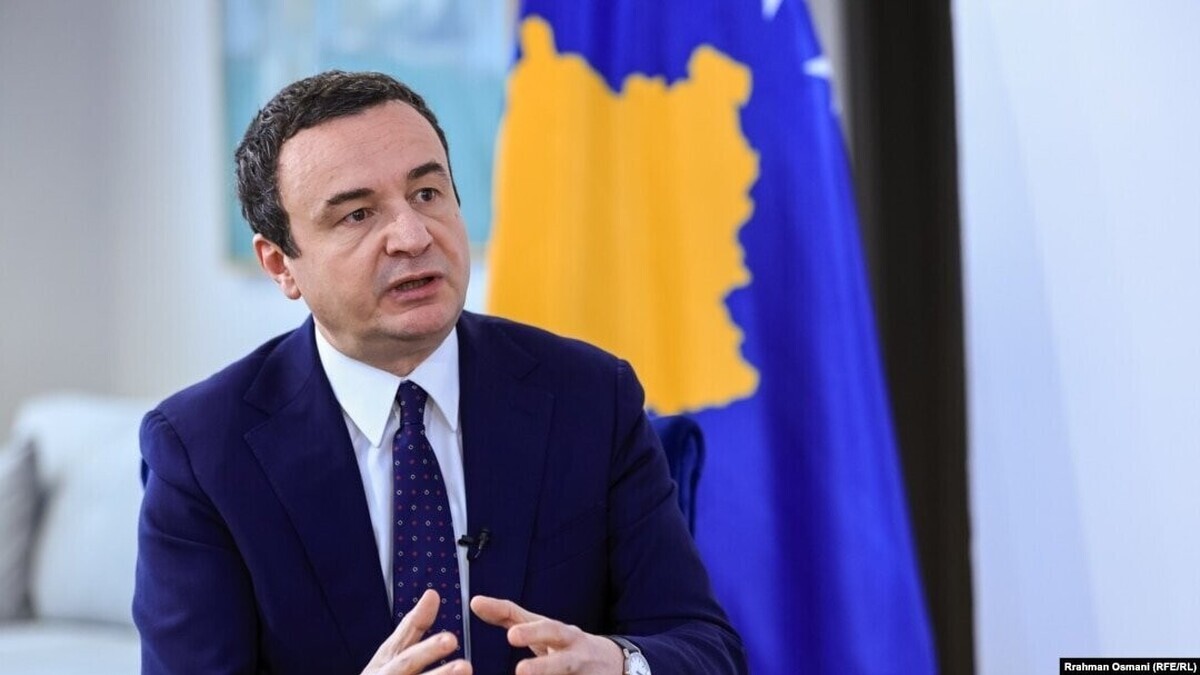
Kosovo's parliament approved a new government headed by Albin Kurti on Sunday, ending three months of institutional deadlock. The political crisis is far from over: the election of a president remains pending and could force the country into a fourth parliamentary election in two years.
Sixty-two out of 120 members of parliament voted in favor of the new government, announced parliament speaker Albulena Haxhiu. This threshold is sufficient to form an executive, but it remains far short of the two-thirds majority required to elect a head of state, which has been the crux of Kosovo's political problem for months.
Kurti's party, Vetevendosje (Self-Determination), has won three successive parliamentary elections since February 2025, including two early elections in December 2025 and June 2026. Each time, it has failed to gather a sufficient majority to install a president, a largely symbolic post but one whose election conditions the stability of the country.
At the end of August, Kurti reached an agreement with the Democratic League of Kosovo (LDK), which holds eighteen seats in parliament, to support law professor Bekim Sejdiu for president. The following day, six LDK members announced they would not respect their leadership's decision, shattering this fragile compromise. The date of a potential presidential election remains unknown.
If parliament fails to elect a president, Kosovo will have to hold another early election, the fourth in just two years.
Kurti's hardline stance toward neighboring Serbia is exacerbating his domestic difficulties. Opposition parties accuse him of having strained Pristina's relations with its traditional Western allies through unilateral measures in the Serb-majority north of the country, particularly after deadly clashes between Kosovo police and Serb paramilitary groups. The United States and the European Union had then urged Kurti to defuse tensions in the region.
The economic consequences of the deadlock are being felt. The months of paralysis have frozen legislative reforms essential to the European integration process, jeopardizing Kosovo's access to certain pre-accession funds.