

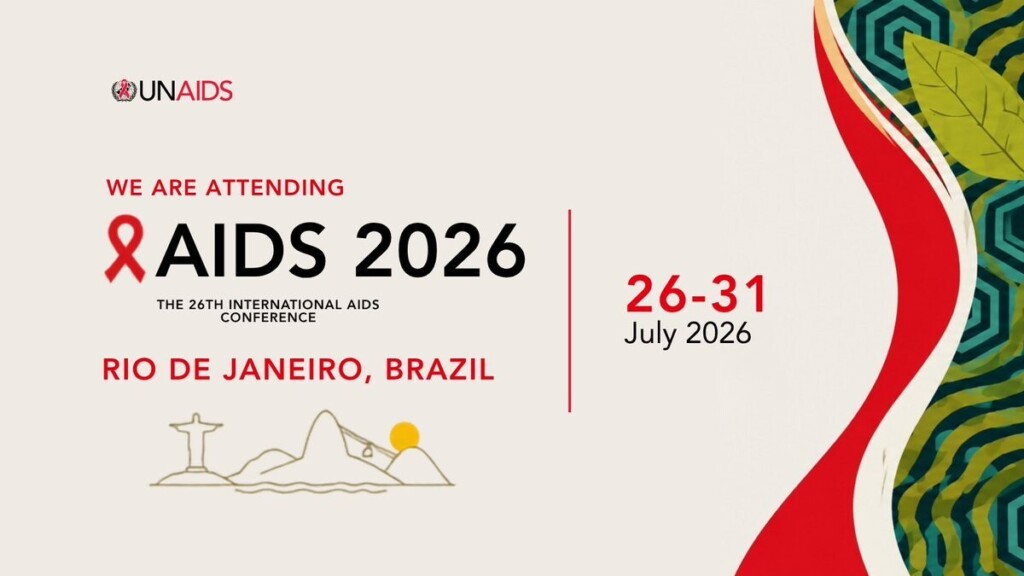
The 26th International AIDS Conference began on Saturday, July 26 in Rio de Janeiro, bringing together leaders and experts around a disease against which medicine is making progress, but whose gains are being undermined by funding withdrawals and hostile political contexts.
Forty years of research have transformed our understanding of HIV. Current treatments allow people living with HIV to lead almost normal lives and to no longer transmit the virus. This result, achieved through decades of scientific and activist efforts, forms the benchmark for the Brazilian conference.
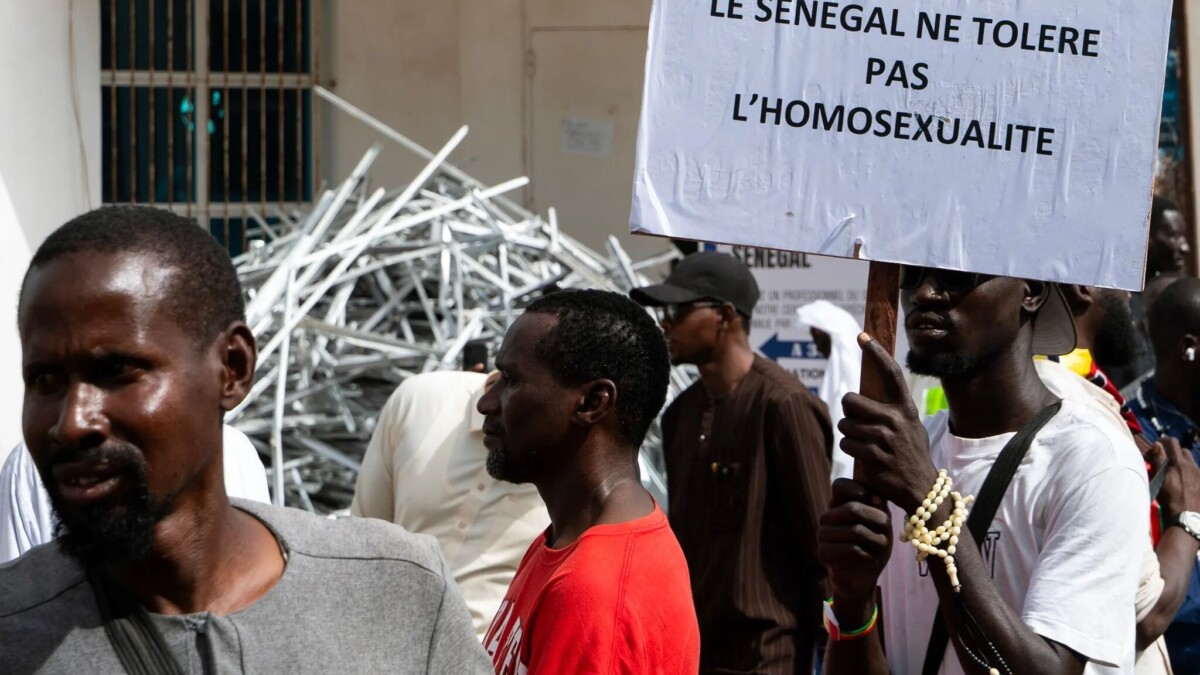
However, these advances are now under pressure. The withdrawal of international funding deprives some programs of essential resources, while armed conflicts disrupt access to healthcare in several regions of the world. Added to these factors is the policy of some governments that marginalize populations most vulnerable to the virus, thus hindering prevention and testing efforts.
It is in this context that Rio de Janeiro is hosting, for the first time in years, an edition of this conference in Latin America, a continent particularly affected by inequalities in access to antiretroviral drugs. The discussions between experts and policymakers should help identify common responses to challenges that vary considerably from one country to another.







Community
Comments
Write a comment
Be the first to comment on this article.