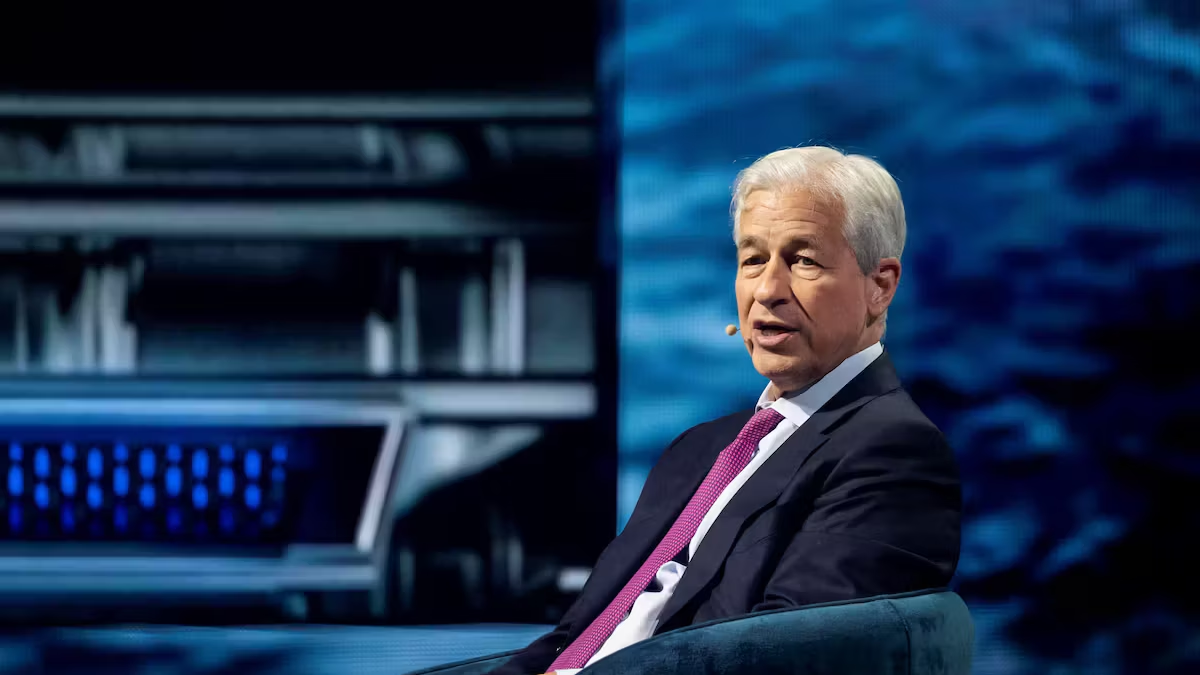
The head of JPMorgan, Jamie Dimon, has warned about the major economic consequences that a conflict with Iran could have, estimating that a military escalation could cause a sustained rise in inflation and interest rates beyond current expectations.
In his annual letter to JPMorgan Chase shareholders, the executive highlighted that increased tensions in the Middle East could lead to shocks in oil and commodity prices. These disruptions could, in his view, maintain persistent inflationary pressure globally.
This warning comes amid rising tensions between the United States and Iran. U.S. President Donald Trump has recently increased pressure on Tehran, threatening to target key infrastructures if the country does not reopen the Strait of Hormuz, a strategic artery for global energy trade.
Jamie Dimon believes these geopolitical risks could disrupt economic forecasts, notably by forcing central banks to keep interest rates high longer than expected. Such a development would weigh on growth and the cost of credit for businesses and households.
Furthermore, the executive downplayed risks related to private credit, considering it unlikely to pose a systemic threat in the short term. However, he criticized certain U.S. financial regulations, notably revisions to Basel III rules and surcharges applied to large banks, which he described as “flawed.”
These statements reflect growing concerns in financial circles amid an uncertain international environment, where geopolitical tensions could quickly translate into global economic repercussions.