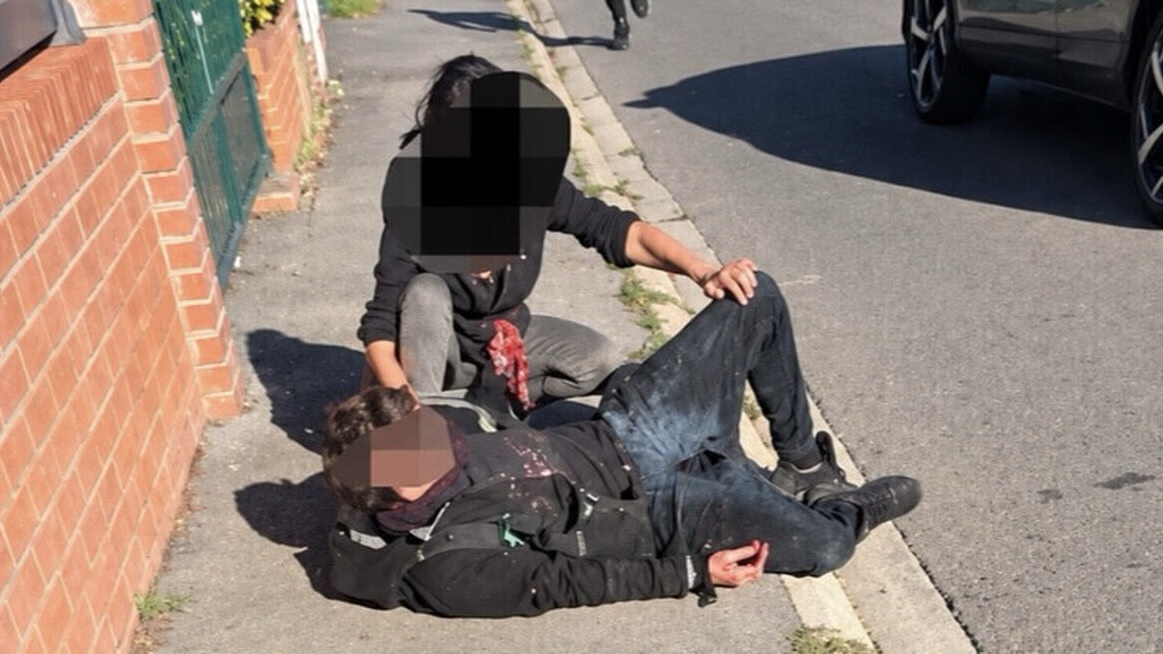
The circumstances surrounding the horrific injury of a 15-year-old high school student in front of the Auguste-Béhal high school in Lens remain central to the investigation. The teenager, whose left hand was amputated after a grenade used by law enforcement exploded on Monday, October 5, was reportedly seen leaning towards the device moments before it detonated. This is a potentially important detail, but it is not sufficient on its own to confirm that he actually picked up the grenade. The IGPN (General Inspectorate of the National Police) is currently reviewing the video footage.
This new piece of evidence could allow investigators to clarify the chronology of the few seconds preceding the explosion. So far, two versions have been in conflict: one according to which the teenager picked up a grenade from the ground, and the other, according to several witnesses and echoed by his mother, claiming that he was directly struck by the device.
A video scrutinized to understand the final seconds before the explosion
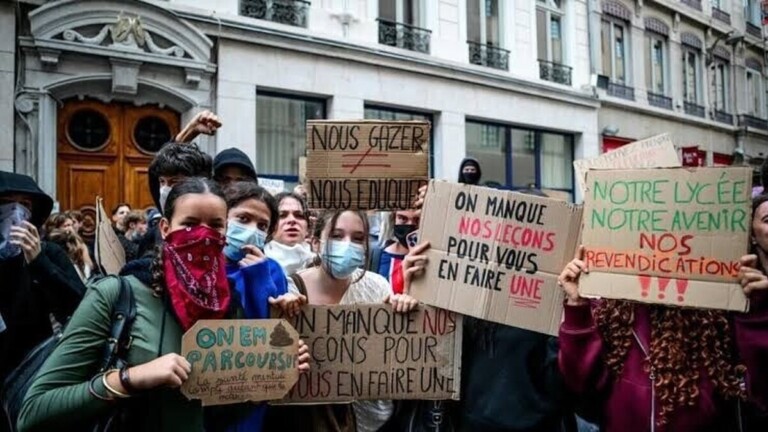
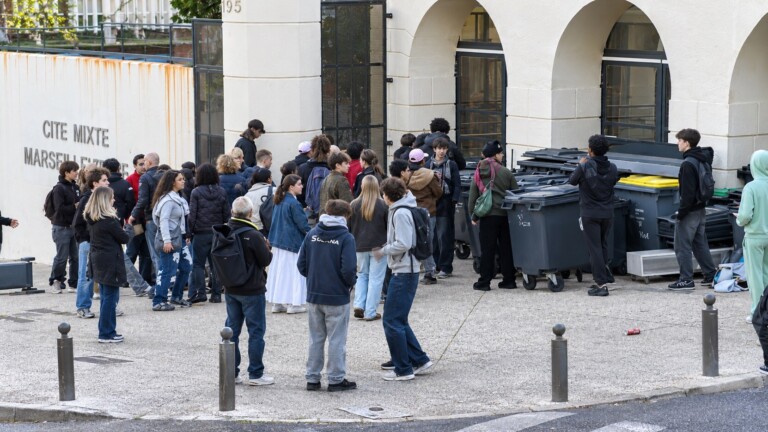
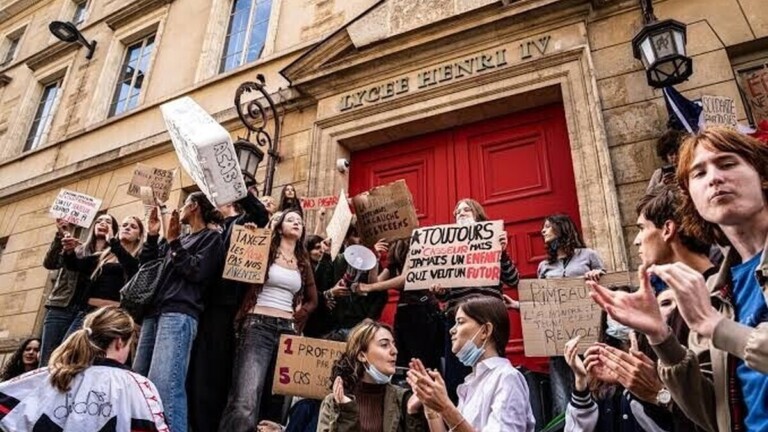
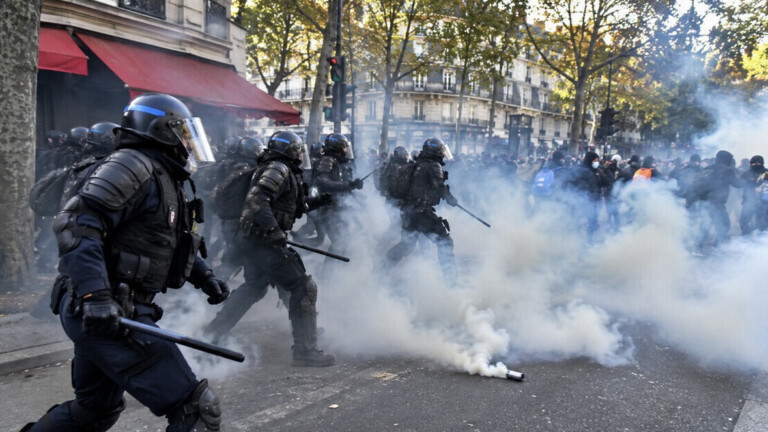
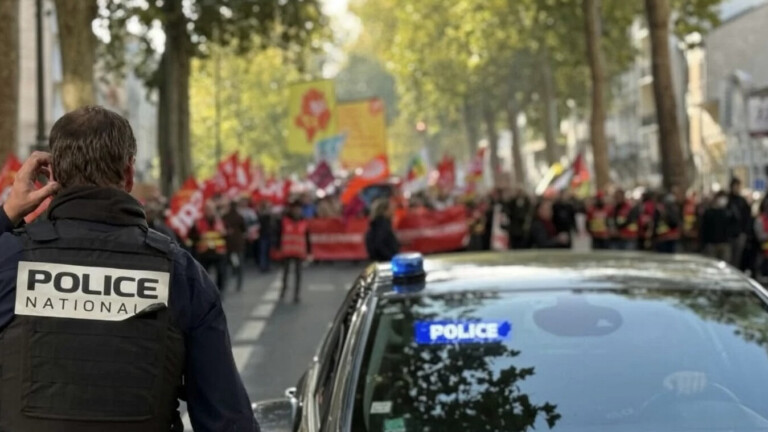
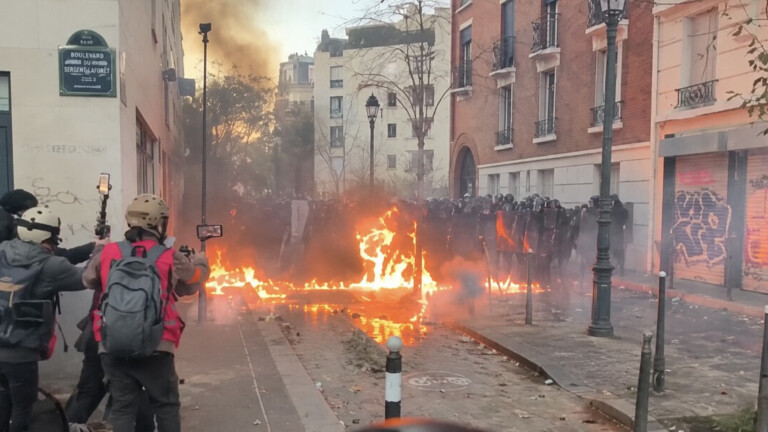
The incident occurred Monday morning near the Auguste-Béhal vocational high school in Lens. Several hundred young people had gathered there as part of a student protest. Projectiles were thrown at the police and trash cans were set on fire. After issuing warnings, the riot police used several types of grenades.
In the first hours following the incident, the theory that the boy had picked up a grenade quickly gained traction. A police source indicated that "the accident occurred after the teenager picked up a grenade ." Witness statements gathered at the scene later contradicted this version, with some students claiming that the device had struck his hand directly.
The public prosecutor of Béthune, Étienne Thieffry, therefore refused to make a determination: "I am not in a position to say definitively whether the high school student picked up the grenade or whether it was thrown at him."
The video now under review provides an additional piece of evidence. The boy appears to be leaning towards the location of the device before it explodes. However, the student's posture alone is insufficient to determine his exact actions: leaning towards the grenade does not necessarily mean grasping it. Therefore, a frame-by-frame analysis of the video and its comparison with other available recordings will be crucial.
His mother claims: "My son did not pick up the grenade from the ground."
This possible new interpretation of the images comes a few hours after the teenager's mother spoke out. As we explained in our article dedicated to the testimony of the mother of the amputee high school student , she categorically rejects the theory that her son deliberately picked up the device.
“There are a lot of lies going around; my son didn’t pick up the grenade from the ground , ” she said. She also announced her intention to file a complaint and described the irreversible consequences of the explosion: “His life has been stolen from him. It’s over; he no longer has a hand.”
The teenager underwent major surgery. His left hand had to be amputated. He also suffered injuries to his right hand, face, and chest. His life is not in danger.
The IGPN must determine the exact actions of the high school student
The investigation entrusted to the IGPN for "violence resulting in mutilation or permanent disability" must now compare the different videos, testimonies, findings made on site and the conditions under which the police used their grenades.
Our first article on the tragedy in Lens already highlighted this contradiction. A high school student who was nearby stated: "He didn't pick it up, it landed on his hand." Initial findings of the investigation, however, suggested that the grenade had been seized after it had been thrown.
The exact nature of the munition must also be definitively established. Evidence gathered since the incident points the investigation toward a GM2L, a grenade with tear gas and stun effects. Interior Minister Laurent Nuñez announced on Wednesday the precautionary suspension of the use of stun grenades in the context of the student protests.
The video could become a key piece of evidence in the investigation.
The existence of images showing the teenager in the seconds preceding the explosion significantly alters the possibility of reconstructing the scene. Investigators will need to establish where the grenade landed, how much time elapsed before the detonation, the boy's position, and, most importantly, whether there is any footage showing possible contact with the device.
At this stage, it would therefore be premature to claim that the video proves the high school student picked up the grenade. However, it could help to resolve the conflicting accounts circulating since Monday. Two days after the explosion that cost a 15-year-old his left hand, the few seconds preceding the detonation are now central to the investigation.