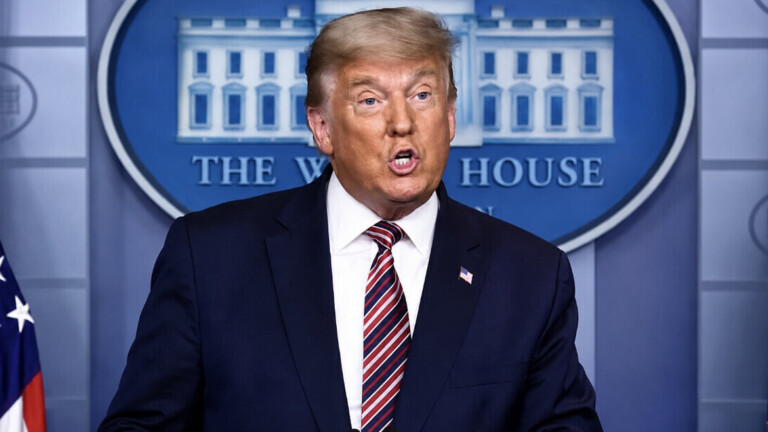
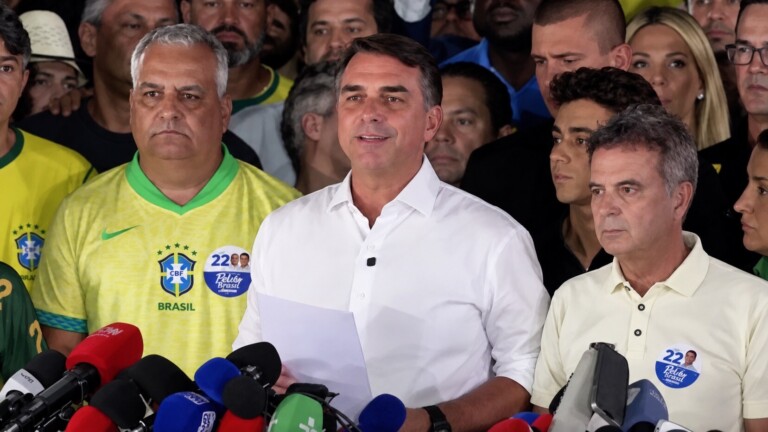
Cubans are preparing for new economic hardships after the United States seized two additional tankers linked to Venezuela, a move that threatens to further reduce the island’s access to oil. This decision comes just days after the capture of Venezuelan President Nicolás Maduro by U.S. forces, heightening fears of a deeper energy crisis in Cuba.
At the port of Matanzas, the main entry point for crude deliveries, closed gas stations and endless queues illustrate the growing shortage. Residents fear an increase in power outages, already frequent and sometimes lasting several hours. “With this situation, things will get worse, because they will no longer allow oil to enter,” says William Gonzalez, a resident of Matanzas, emphasizing that supplies now rely almost exclusively on Russia.
Washington intensified its pressure by seizing a Russian tanker in the North Atlantic near Iceland on Wednesday, after a two-week pursuit, according to U.S. officials. This interception, denounced by Moscow as an act of “piracy,” is the fourth since the mid-December establishment of a U.S. blockade targeting sanctioned vessels entering or leaving Venezuelan waters. Another tanker linked to Venezuela was also intercepted earlier off the coast of South America.
For Cuba, the loss of Venezuelan oil represents a major shock. Between January and November last year, Venezuela exported an average of 27,000 barrels per day to the island, covering about half of its oil deficit, according to maritime data and documents from the national company PDVSA. “The repercussions will not be good. Venezuela was one of the countries that helped us the most in terms of energy,” explains Mario Valverde, an entrepreneur in Havana.
While Mexico has become a significant supplier, President Claudia Sheinbaum specified that deliveries have not increased recently. On the street, anger mixes with resignation. “We are very unhappy with Donald Trump’s attitude towards Venezuela,” says Manuel Rodriguez, an island resident. “If power outages worsen, we will have to endure and resist, as we always have.”