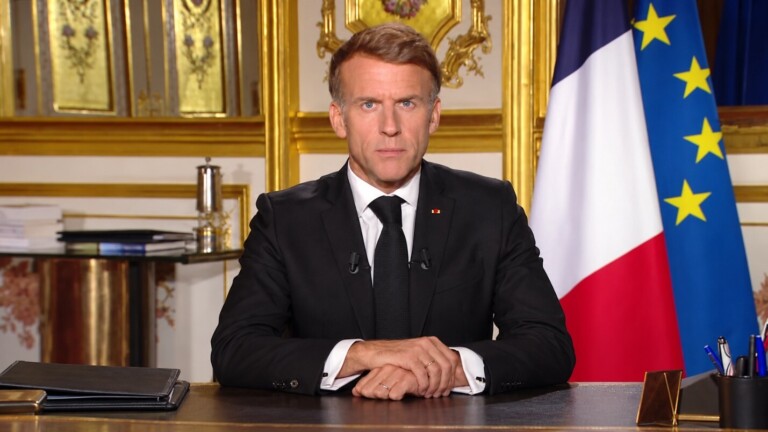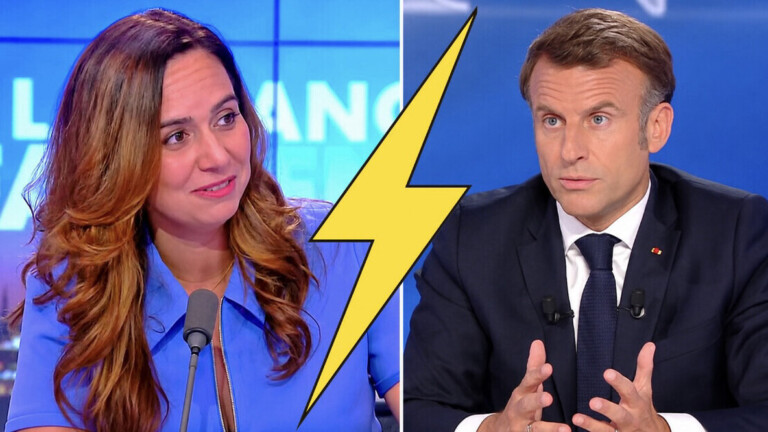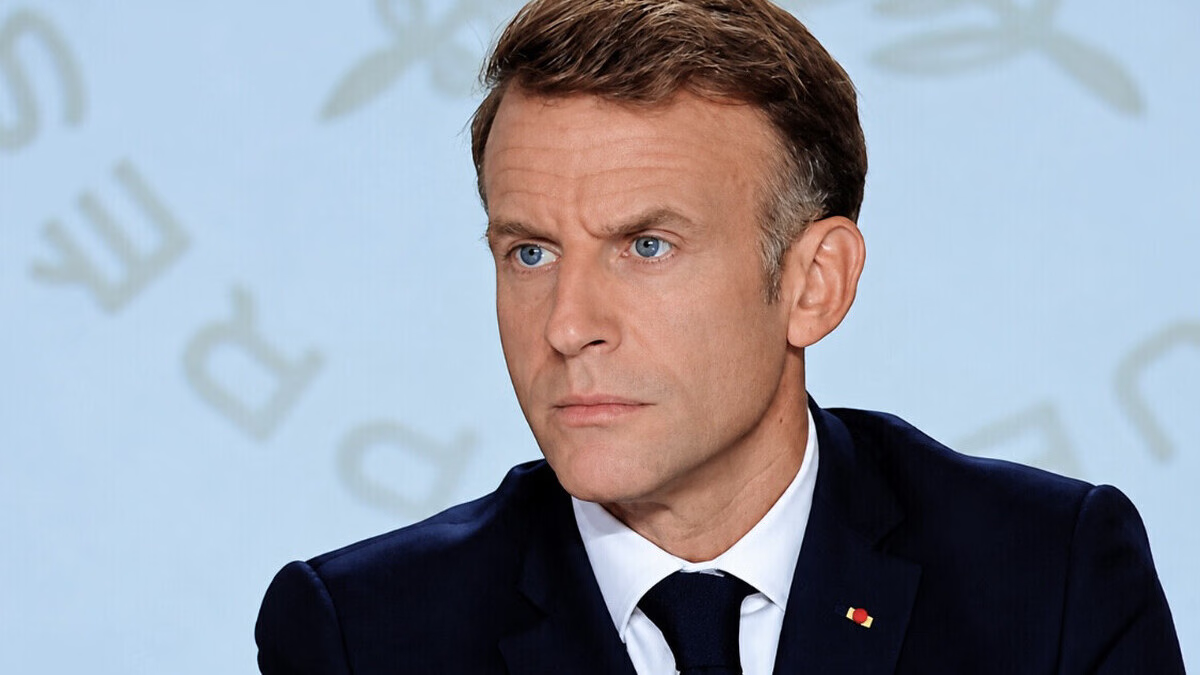
Emmanuel Macron has changed his tune in the face of soaring fuel prices. On Thursday evening, during his televised interview on TF1 and France 2, the President of the Republic explicitly raised the possibility of a reduction in fuel taxes if prices continue to climb. Until now, the government had favored targeted aid and measures aimed at influencing prices and supplies.
As a reminder, diesel has reached a record high of €2,41 per liter on average in France , and the energy crisis continues to directly impact motorists. The government announced a series of targeted measures on Tuesday, but Emmanuel Macron is now no longer ruling out tax measures.
"Depending on how things develop, nothing should be ruled out."
When asked directly about a possible reduction in taxes on petrol and diesel, Emmanuel Macron replied: "Depending on how things develop, we shouldn't rule anything out." He also assured that the government would take further measures if the situation were to continue to deteriorate.
The president, however, remains reserved on the principle of a general tax cut. He believes it would not be "the most virtuous decision ," particularly because it would benefit all motorists, regardless of income, and reduce public revenue.
This position marks a shift in the president's rhetoric. In recent days, Emmanuel Macron had primarily focused on diplomatic means to secure supplies and reduce pressure on prices. On September 16, he promised to take action to ease the downward pressure on prices.
Lowering taxes by 20 cents would cost 1 billion euros per month
Emmanuel Macron also quantified the potential cost of a tax reduction. According to him, removing 20 cents of tax on each liter for one month would represent approximately 1 billion euros for public finances.
The head of state points out that fuel revenues contribute significantly to the financing of the state, local authorities, and social security. He therefore makes any potential tax reduction contingent on the budgetary situation and the evolution of the crisis.
Two days earlier, the government had also indicated that, as of September 20, the price increase had not generated any tax revenue: on the contrary, fuel revenues had fallen by €407 million. A "golden rule" is to be included in the 2027 budget to ensure that any potential revenue surplus is reinvested in support measures to address the energy crisis.
Macron wants to lower prices first
The president, however, continues to favor direct action on the cost of oil and fuels. "Our interest is rather in lowering prices before lowering taxes ," he declared Thursday evening.
The Élysée Palace is focusing in particular on international discussions concerning supplies, strategic reserves, and routes for transporting oil and refined products. Emmanuel Macron is also seeking to improve the flow of hydrocarbons as tensions in the Middle East severely disrupt markets.
The president also opposed Donald Trump's suggestion of restricting US diesel exports. He called it a "bad" decision, arguing that it would have consequences for international markets as well as the US economy. A ban on US diesel exports could, in particular, increase downward pressure on prices in Europe.
Diesel at €2,41 in France, €2,23 on average in the European Union
Emmanuel Macron's statement comes as prices have reached historic highs. In France, the average price of diesel exceeded €2,41 per liter on September 20th. At some stations, prices are even approaching €3 per liter.
The situation affects a large part of Europe. The average price of diesel in the European Union reached a record high of €2,23 per liter, according to data published on Thursday, September 24. Record prices were observed in 19 EU countries.