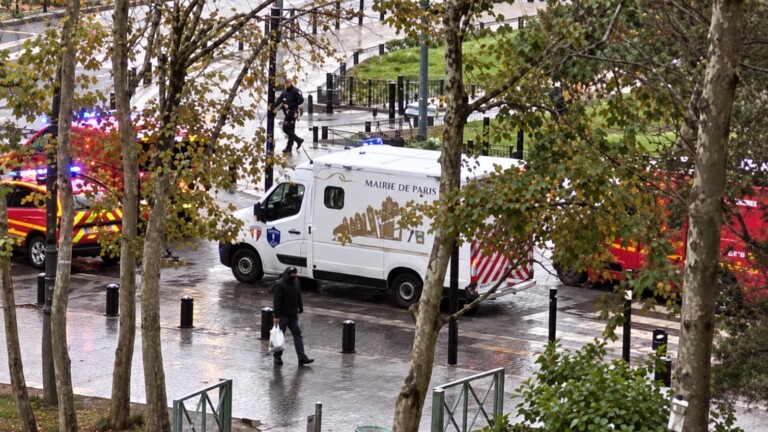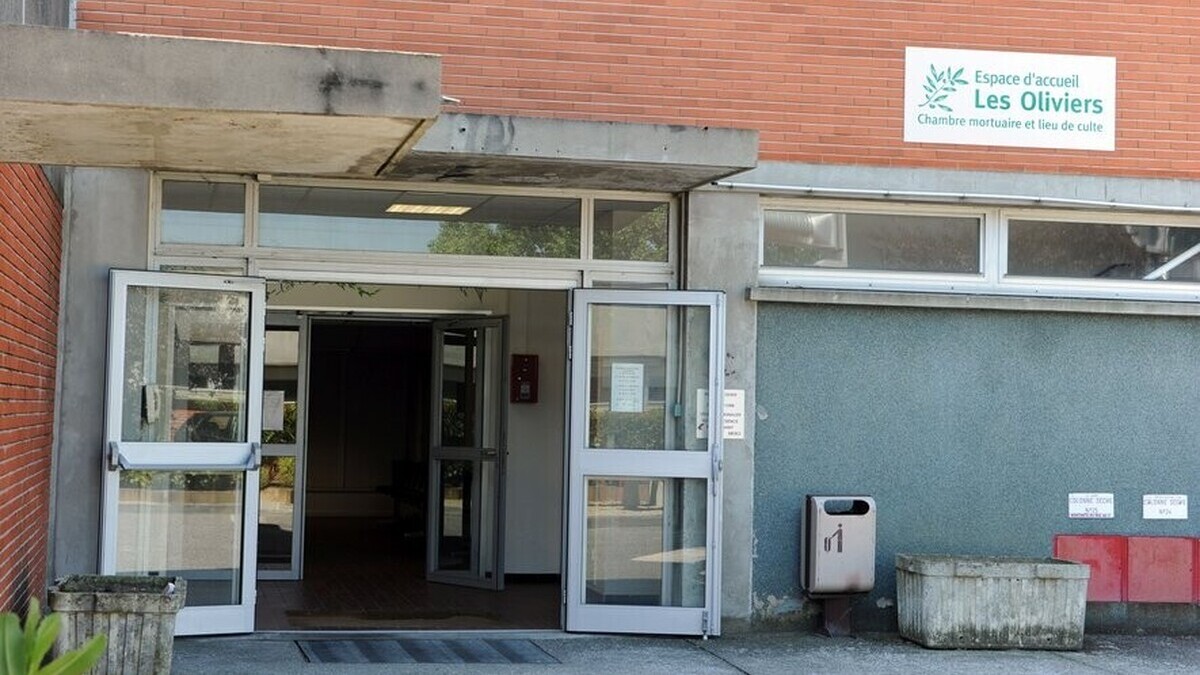
The case was made public on Friday, September 25, when Toulouse University Hospital announced the discovery of bodies and human remains in a medical waste container from the mortuary room of Rangueil Hospital. The institution initially mentioned five fetuses, before clarifying that it involved one newborn and four fetuses. In a joint statement with the Occitanie Regional Health Agency, it denounced a situation contrary to the procedures for handling remains and hospital ethical principles.
The management suspended a professional and initiated an internal administrative investigation. It indicated that the initial findings pointed to an isolated act, while reserving conclusions from judicial investigations. The police, the ARS, and the prosecutor were alerted. This suspension does not imply guilt: the precise circumstances of the movement of the bodies and responsibilities remain to be established.
The prosecutor specifies the number of bodies and their origin
On Monday, September 28, the public prosecutor provided new information. According to his statement, the discoveries include two fetuses, two newborns, and human anatomical elements. This description corrects the initial information. The bodies and samples came from seals established during judicial expertises conducted between 2000 and 2016 at the former Rangueil forensic medicine institute.
Their movement required specific judicial authorization. The investigation concerns « violation of the integrity of a corpse » and « intentional breaking or diversion of seals. » Entrusted to the Haute-Garonne national police, it must reconstruct the circumstances of the facts and search for possible individual or collective failings. These charges define the scope of the investigations, without constituting definitively established offenses at this stage.
The preservation of seals at the heart of the investigations
Forensic medicine activity was transferred to Purpan in February 2024. The reasons why these elements remained at Rangueil, then were placed in a container intended for the destruction of organic remains, remain unknown. No causal link with the move has been established. The ARS also launched an inspection.
The investigations will thus need to distinguish acts possibly attributable to a person from potential organizational failures in preservation. The issue concerns both the respect due to remains and the preservation of elements placed under judicial authority. The initial hypothesis of an isolated act will have to be confronted with investigators’ findings, while administrative and judicial procedures continue.