Exclusive report from our special correspondent in China, Jessica Pierné.
What do we know about this vast and often closed country that is China? What have we seen of it? Between the myths and legends of the Forbidden City, the splendors of the Great Wall of China, the elegant skyscrapers in the heart of Beijing and the historic villages, no one remains indifferent to the cultural and ethnic diversity of this Asian giant.
Discover one of the seven wonders of the world
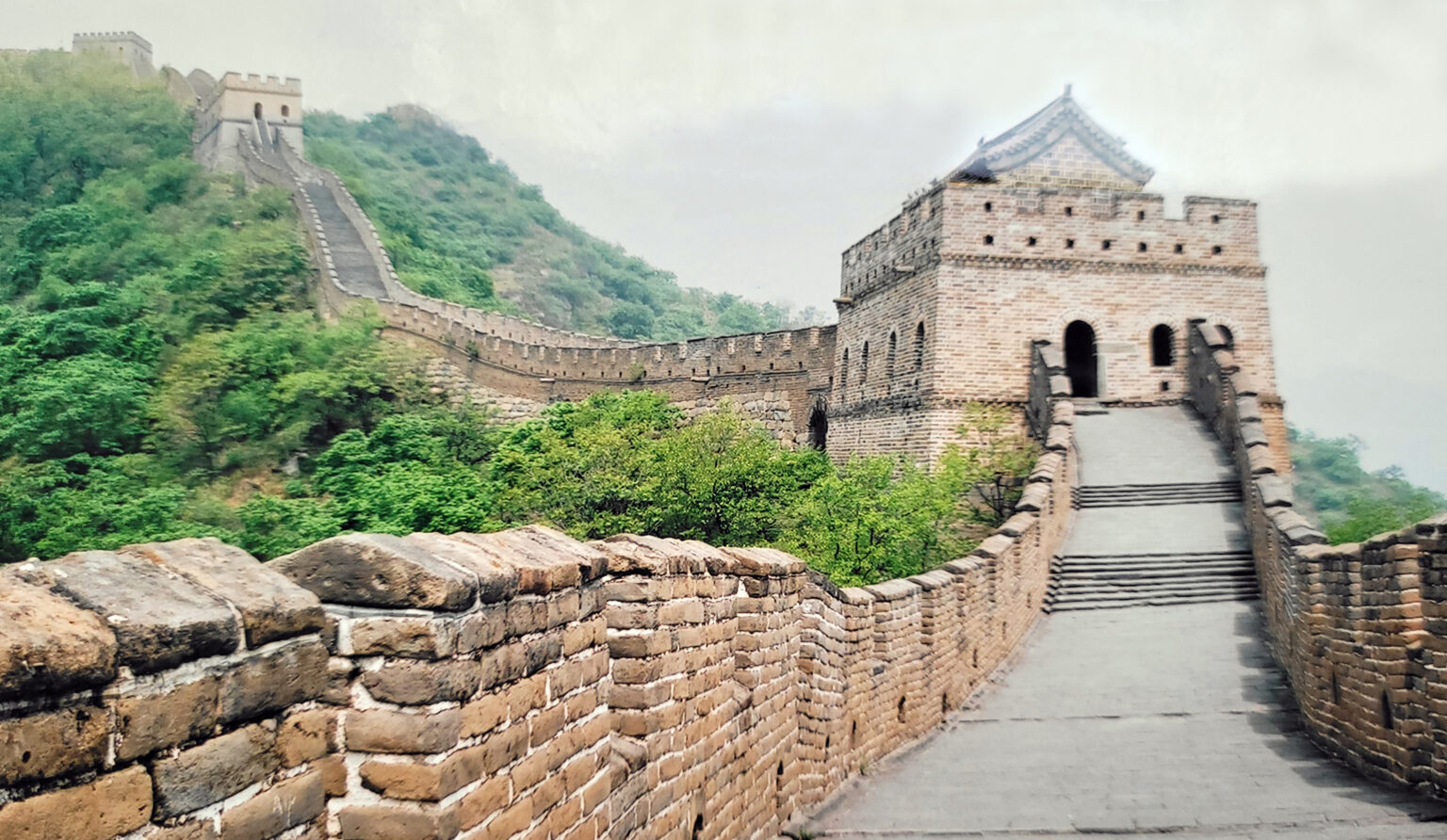
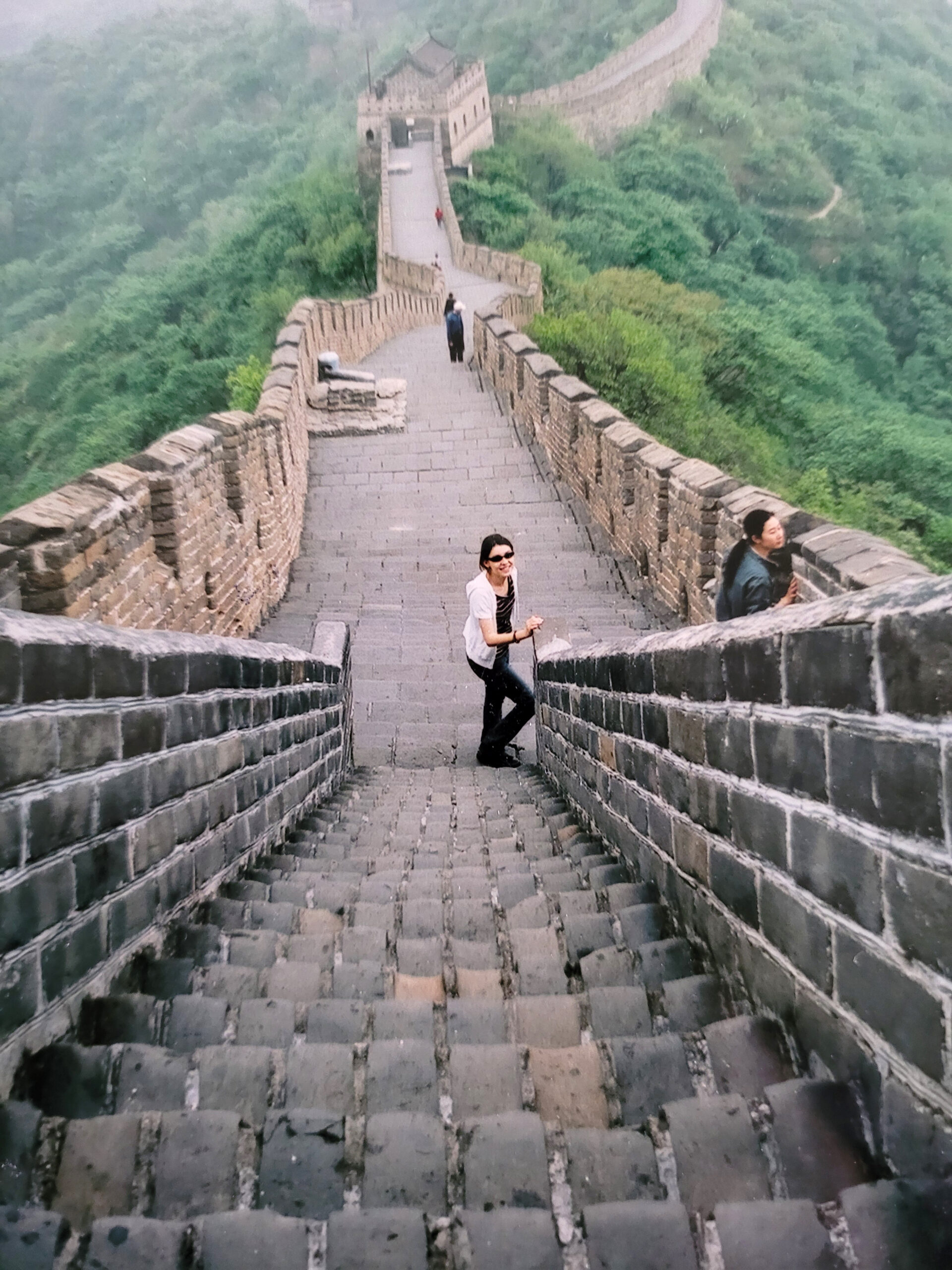
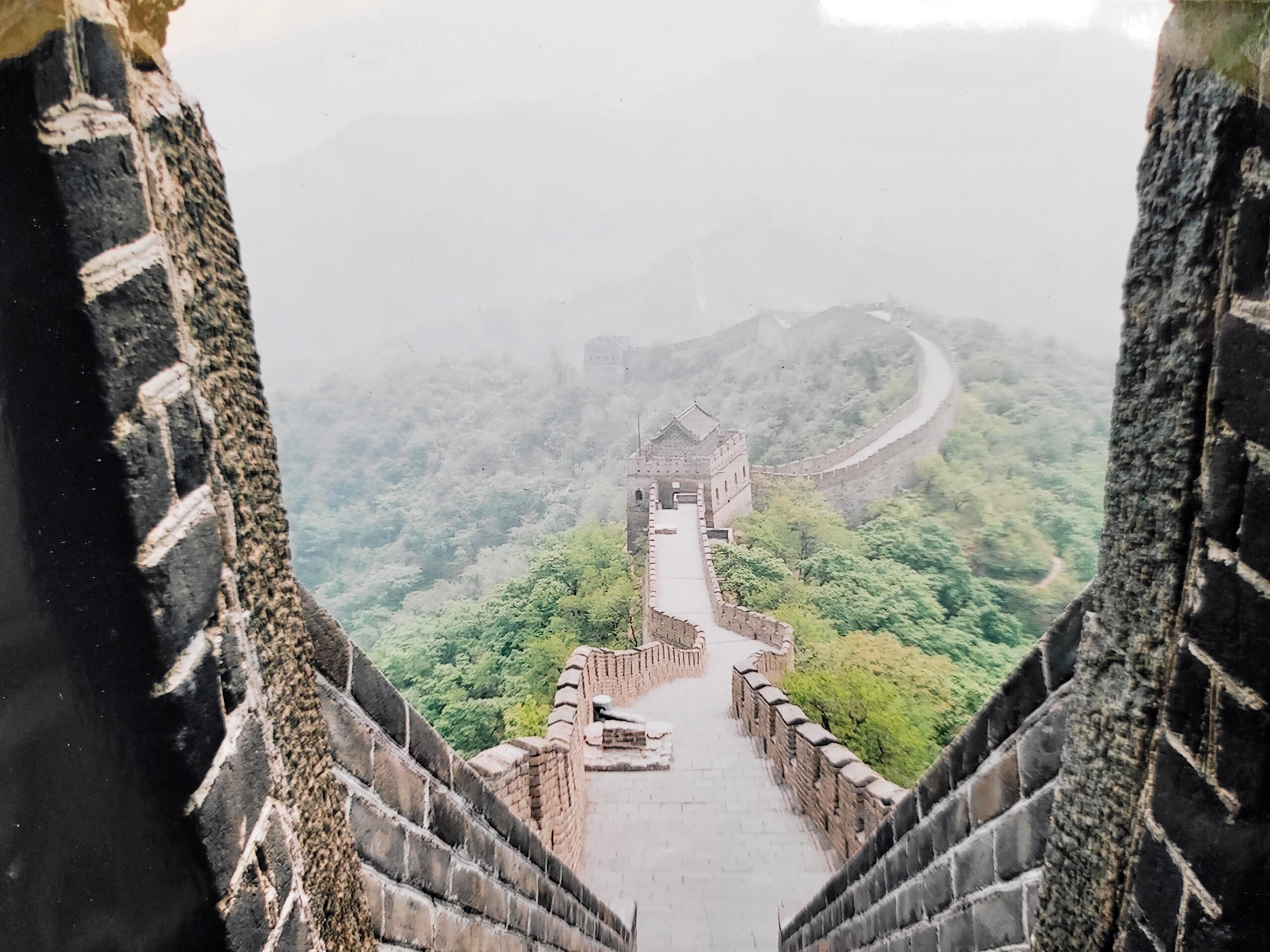
Our journey begins at one of the most impressive constructions in human history. Located an hour's drive from Beijing, the Great Wall is a magnificent sight. Stretching 6500 km and over 2000 years old, this masterpiece of military architecture retains its mystique. Nicknamed "the 10,000-li dragon ," the Great Wall welcomes millions of visitors each year. It winds and undulates as far as the eye can see through the Gobi Desert, mountains, and valleys. Legend has it that it is the embodiment of a dragon. During a restoration project in the wildest and most dangerous section of the wall, archaeologists discovered a rare dragon sculpture, further fueling the myth surrounding one of the Seven Wonders of the World.
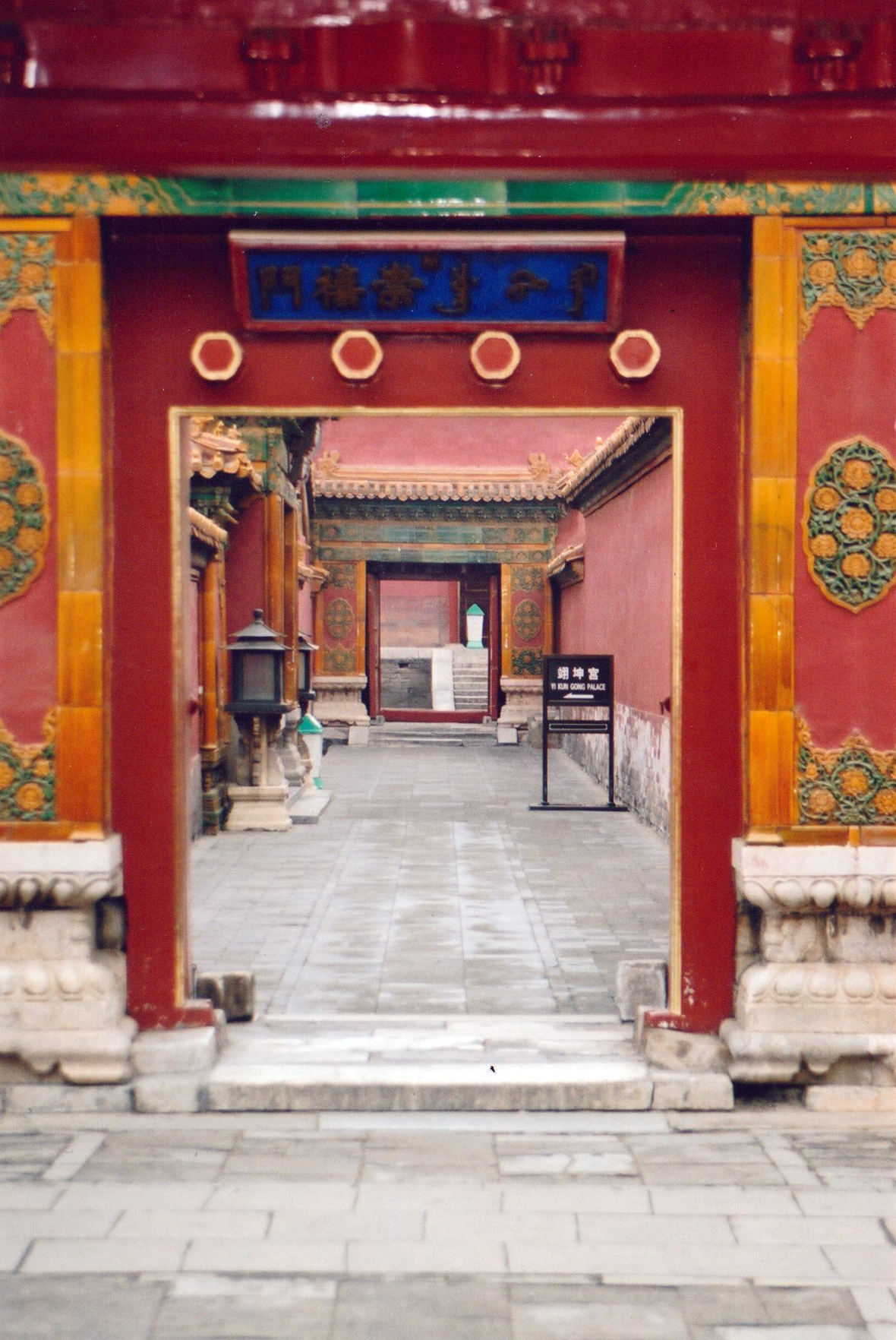
The Forbidden City, the embodiment of the emperor's power
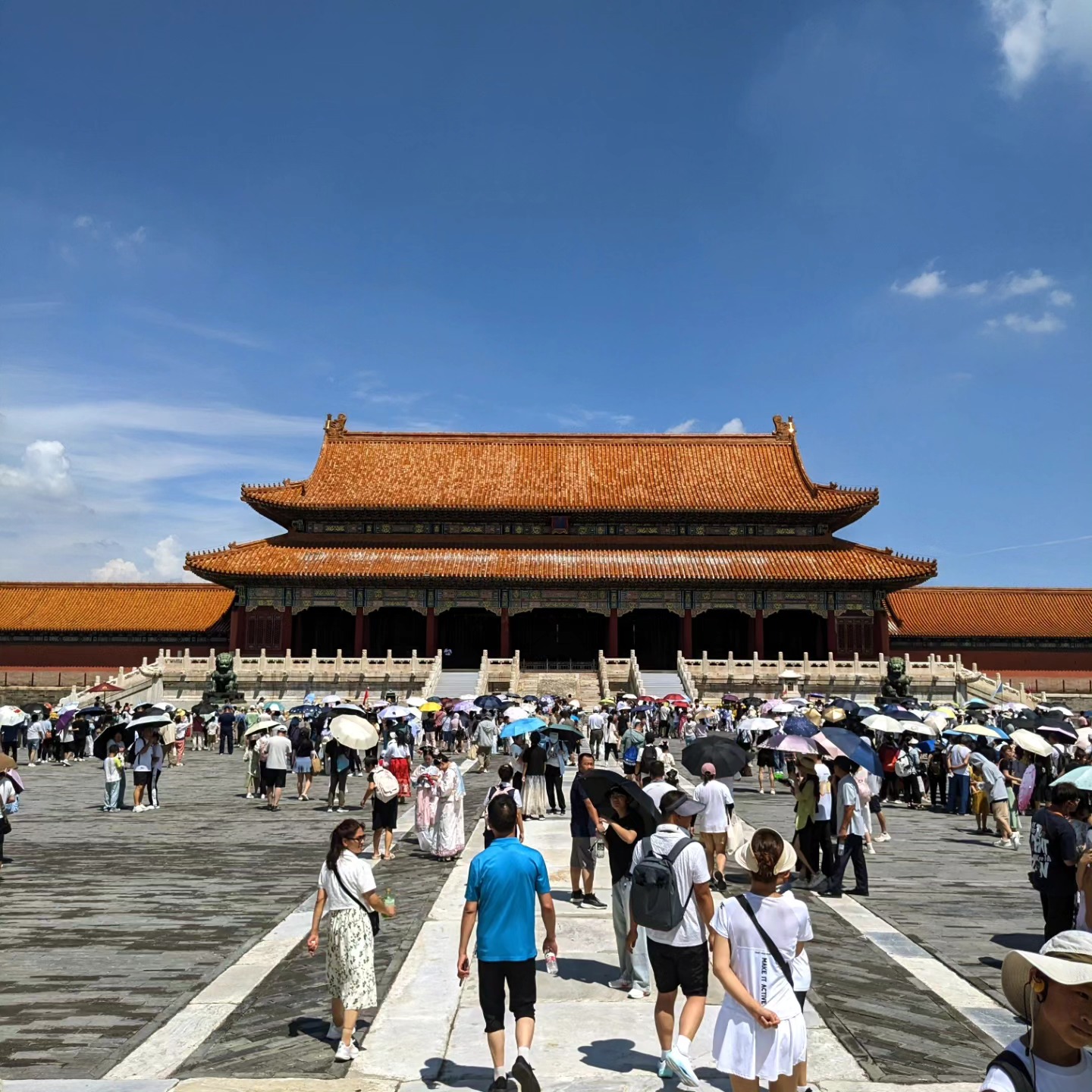
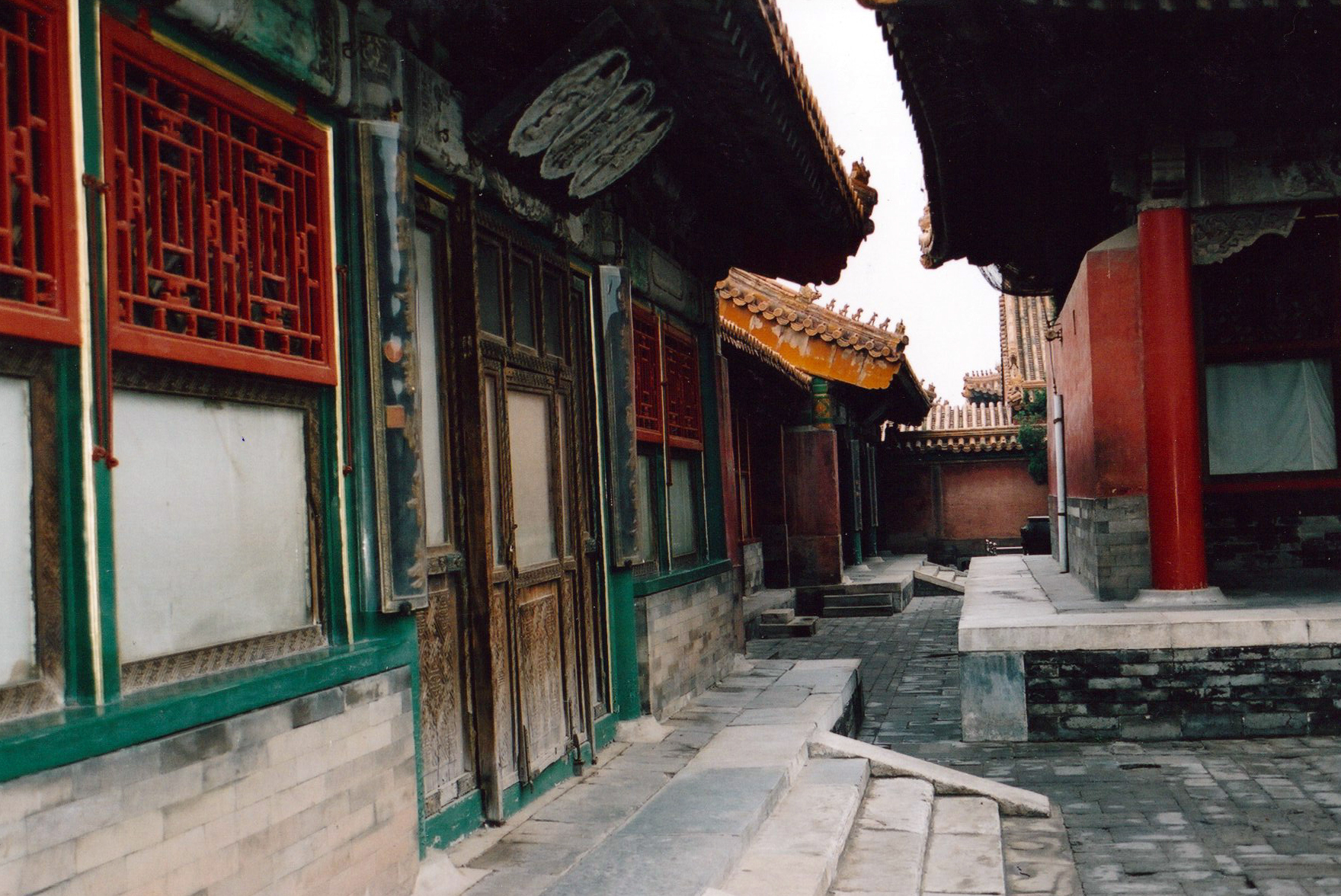
Built during the Ming Dynasty in the 15th century, the Forbidden City was transformed into a museum in 1925 after the expulsion of the last emperor, Pu Yi. This year, the tourist site celebrates its 100th anniversary , giving visitors the opportunity to discover entirely new areas, such as the secret garden of the Qianlong Emperor. Visitors can also explore all forms of Chinese art, from prehistory to the modern era. The immense imperial palace comprises 800 buildings and 9000 rooms dating from the 18th century. This vast museum also houses the magnificent Dragon Throne where the emperor sat, and numerous Buddhas adorned with precious stones. China has very few preserved monuments from its past, and the Forbidden City is one of the exceptions.
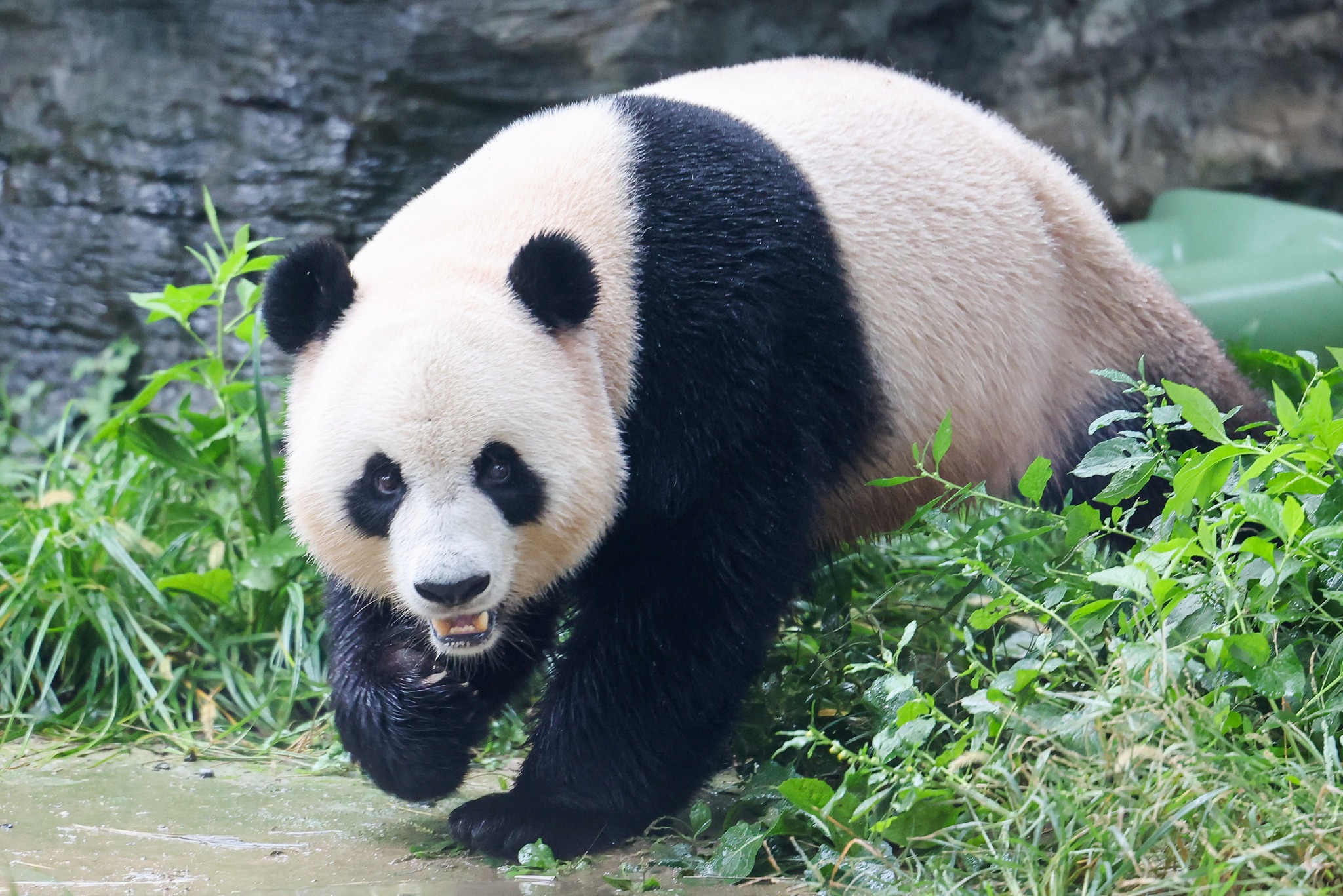
The panda, a symbol of Chinese diplomacy
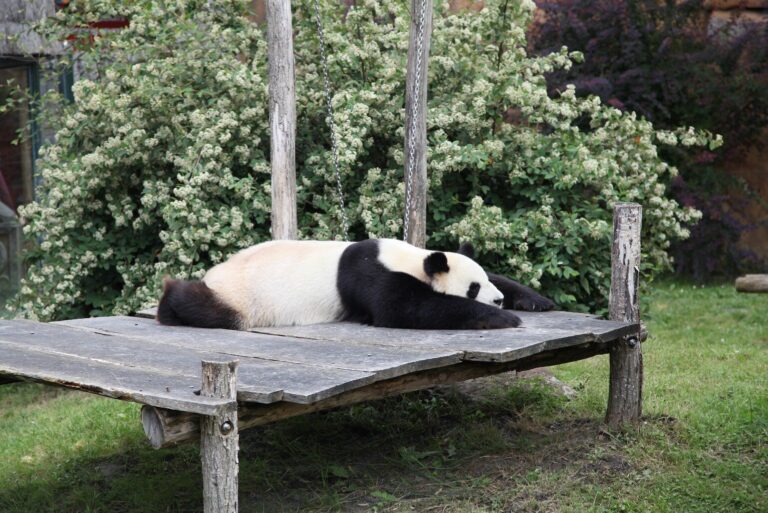
Beijing Zoo is one of the oldest in China. A national treasure, this iconic animal embodies quiet strength. Used as a gift since the Tang Dynasty to demonstrate good relations, the black and white bear remains as popular as ever. It can be observed in the heart of a vast garden. Native to the eastern Himalayas and southwestern China, the giant panda is undoubtedly the star of the zoo.
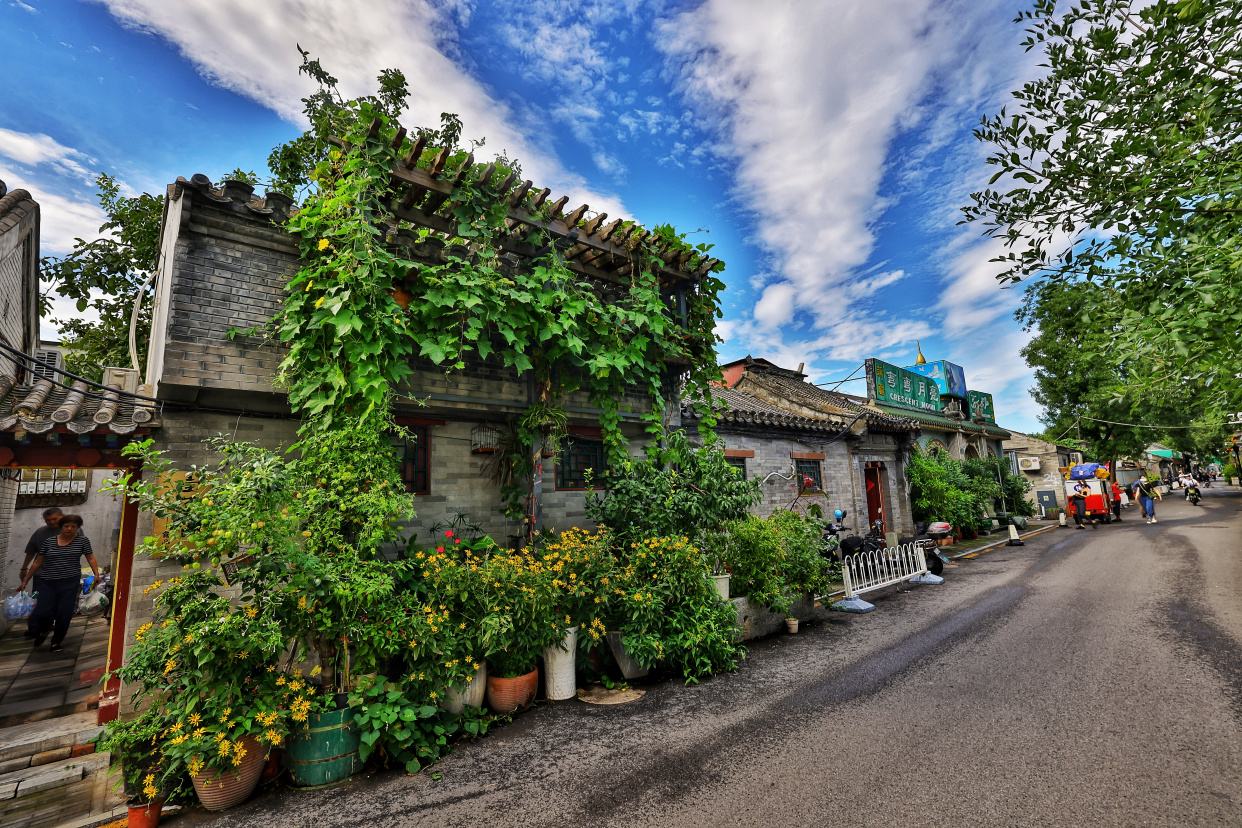
The heart of old Beijing
Narrow alleyways crisscross the city center and have been inhabited for nine centuries. They can be explored on foot or by bicycle, offering a glimpse into the Beijing of yesteryear. The most elegant are located around the Forbidden City, and some have become hotspots of Beijing's nightlife.
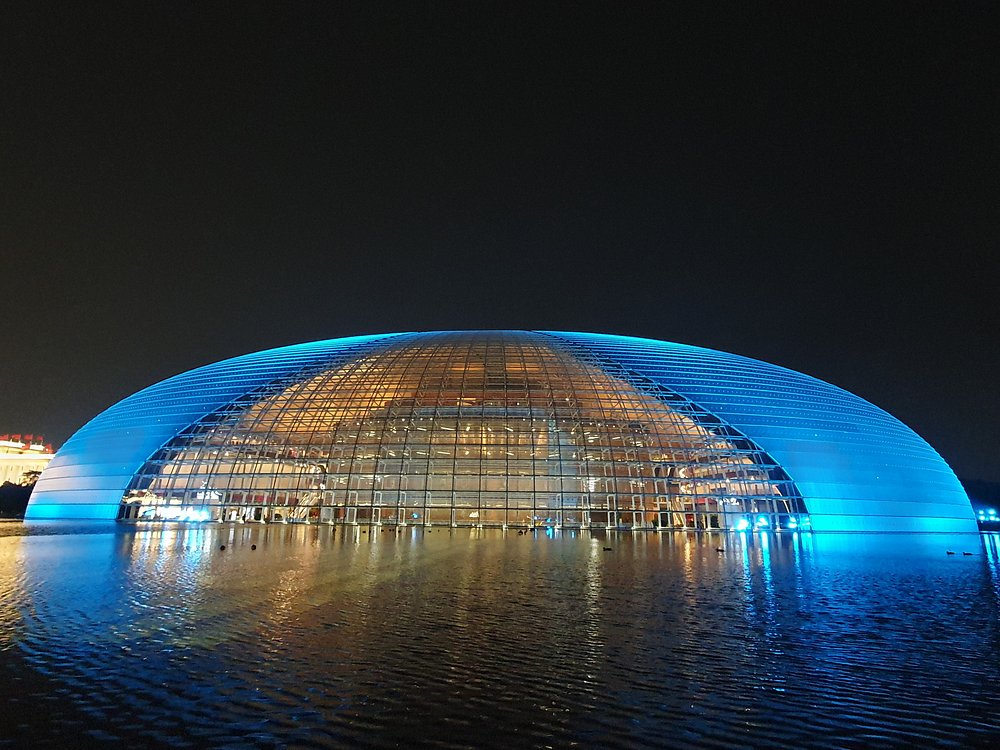
Immersion in the heart of Chinese culture
The National Centre for the Performing Arts in Beijing, a glass dome perched on the water, is well worth a visit. People come to explore the exhibitions and art galleries while enjoying a musical experience. Almost as large as the Louvre Museum, the former National Grand Theatre also houses an opera house and performance venues.
Tiananmen Square, the largest square in China and the world
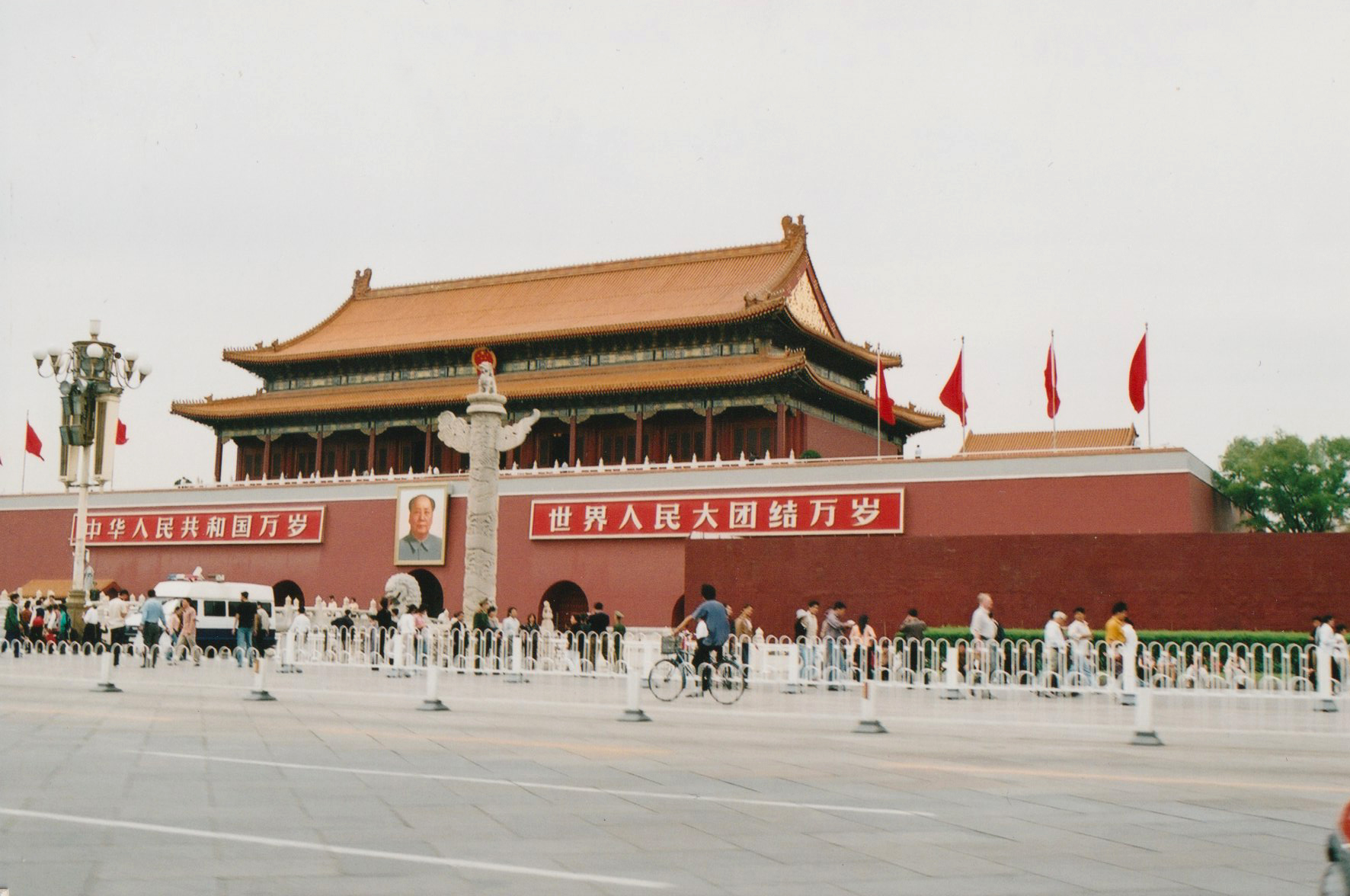
Places sometimes reveal so much about a country, about its history. Tiananmen Square is undoubtedly one of them. What strikes us here is not the immensity, but the emptiness. In the heart of the Chinese capital, the "Gate of Heavenly Peace" never fails to impress. Many travelers pass through it to reach the Forbidden City. It was here that Mao Zedong proclaimed the Democratic Republic of China before millions of Beijing residents, and during his reign, crowds of Beijingers regularly flocked to the square for parades. But in 1989, tanks rolled into the square to put an end to the pro-democracy demonstrations. Today, the presence of soldiers serves as a reminder that this place differs from other public spaces around the world.
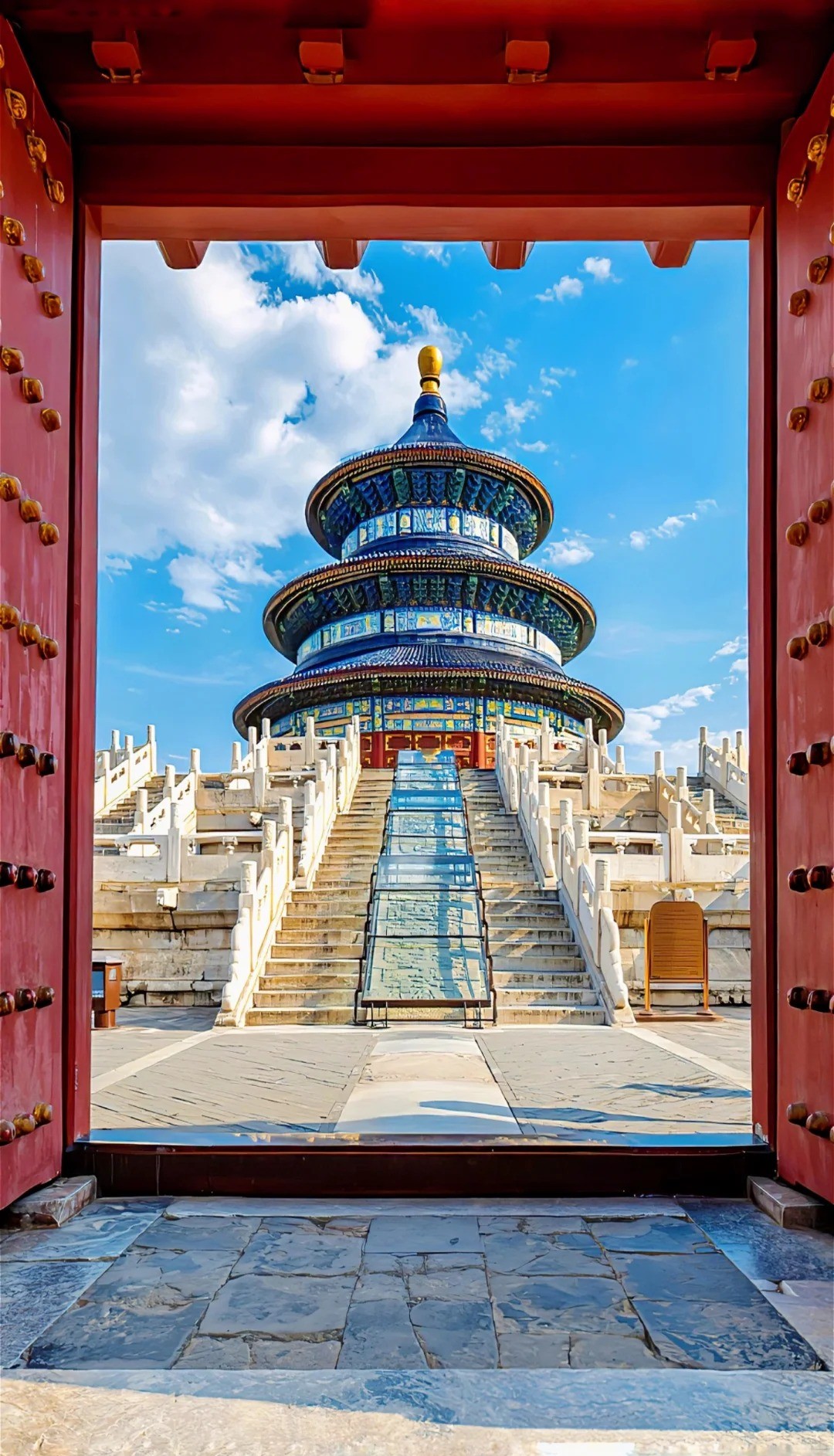
The Temple of Heaven, a UNESCO World Heritage Site since 1998
Our journey ends southeast of Beijing, where a marvel of cosmology lies hidden. Nestled in a verdant setting, the temple was built in the 15th century. Its layout symbolizes the relationship between heaven and earth, the human world and the divine world, as well as the special role of emperors in this relationship.
ROUTE LOG:
GO THERE:
Flights Paris-Beijing from €735 return with Air FranceA daily flight from CDG airport to Beijing.
www.airfrance.fr
WHERE TO SLEEP ?
Hotel The PuXuan In Beijing, for travelers seeking a discreet address. Ideally located, it's easy to reach the Forbidden City, Tiananmen Square, and the Wangfujing shopping district on foot. Inside, you'll appreciate the refined atmosphere, contemporary design, and breathtaking views of Beijing.
https://thepuxuan.com/en/