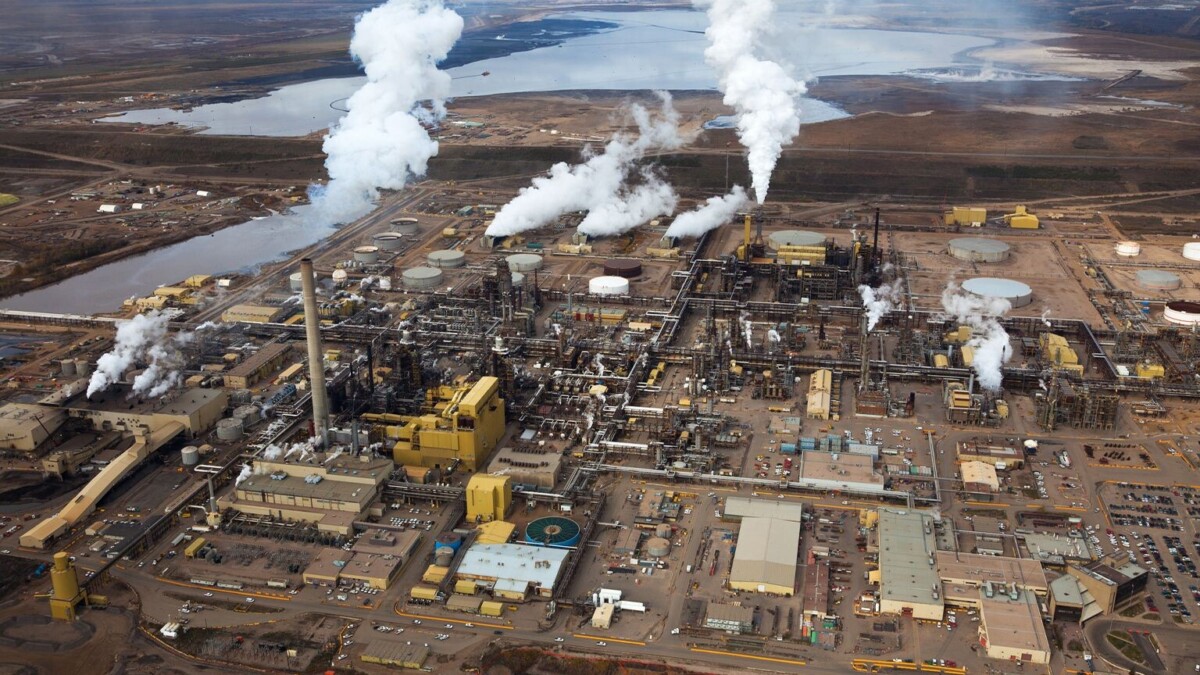
The Stanlow refinery in Cheshire is once again at the center of a pollution case. According to obtained documents, the UK Environment Agency recorded 58 breaches of its operating permit conditions in 2023 and 2024. Hundreds of threshold exceedances were reportedly recorded during this period, notably concerning discharges of cyanide, benzene, sulfur dioxide, and hydrocarbons. Operated by EET Fuels, formerly Essar, the site produces about 18% of the fuels used for road transport in the UK.
The reports describe concentrations reaching more than eight times the authorized limit for cyanide in some watercourses, and more than thirteen times the applicable limit for hydrocarbons. In September 2024, over one ton of oil reportedly entered Thornton Brook before spreading to the Mersey estuary, a protected natural area. Cockle fishing zones were closed for five weeks while water quality was checked, then allowed to reopen. The company reported the incident but allegedly waited nearly two weeks to estimate the quantity discharged, whereas this information was required to be submitted within twenty-four hours.
Environmental Authorities’ Responses Challenged
The Environment Agency is pursuing a criminal investigation into this September 2024 episode. Natural England, responsible for protecting the affected natural sites, has, however, dropped its own investigations, considering the impact on the protected area to be minor. Internal exchanges also indicate that its agents noted the absence of a cap on the amount of oil discharged by an overflow device. These elements fuel criticism from environmental associations, which question the consistency of decisions and the effectiveness of oversight. The risks mentioned for birds and marshes do not constitute a definitive assessment of the damage.
EET Fuels states that these past incidents do not reflect the current operation of the refinery and emphasizes having invested over £24 million in its wastewater treatment infrastructure. The company also indicates that its compliance rating with the Environment Agency improved from F in 2023 to E in 2024. Furthermore, it pleaded guilty this year to twelve environmental offenses committed between 2018 and 2020, with sentencing expected in November. This prior case and the new investigations place industrial discharge prevention at the heart of the debate on protecting UK watercourses.