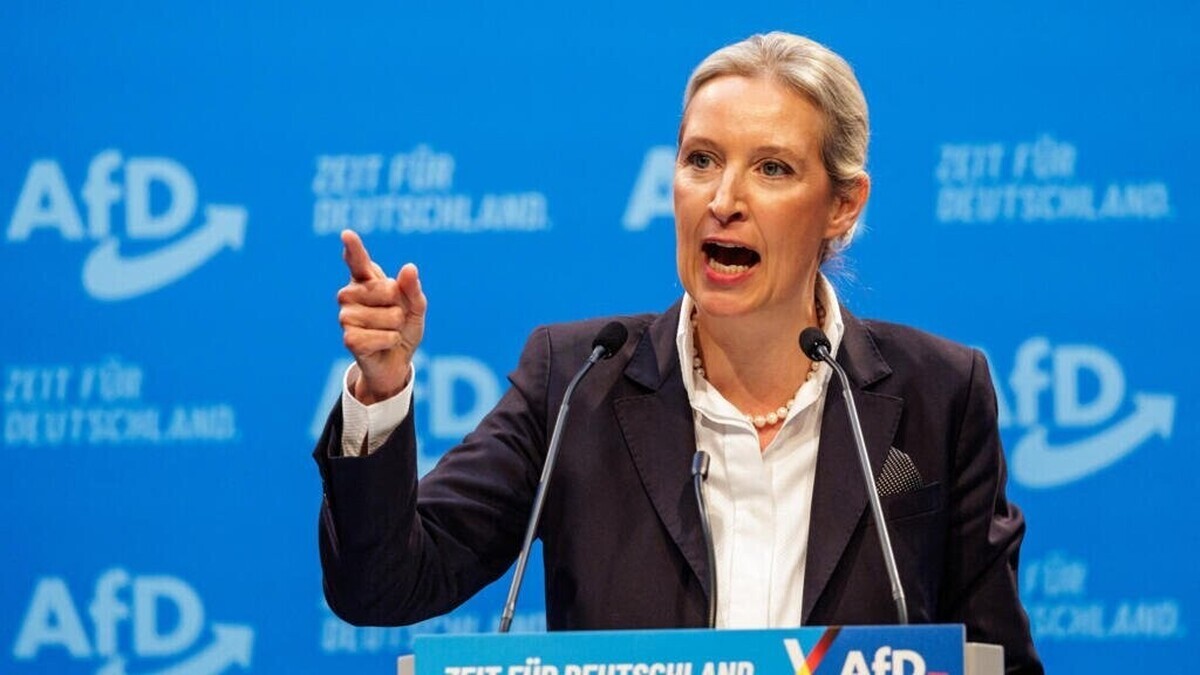
Voters in the eastern state of Saxony-Anhalt are going to the polls this Sunday for regional elections where the Alternative for Germany (AfD ) party could take first place. The persistent divisions between the east and west of the country, nearly four decades after reunification, are cited as the reason for this trend.
The German far right could reach a symbolic milestone this Sunday in Saxony-Anhalt. The Alternative for Germany ( AfD) party is poised to win the regional election in this state of the former East Germany, a result that would mark a new stage in the movement's progress at the federal level.
Elisabeth Kaiser, the federal government's commissioner for East Germany, points to East-West divisions as one of the structural factors fueling this vote. Despite thirty-six years since reunification, these divisions continue to influence voting behavior in the eastern states, where the AfD regularly achieves its best national results.
Saxony-Anhalt fits this pattern: the party has a solid foothold there, cultivated over several electoral cycles. A victory on Sunday would be a first in a German state and would increase the pressure on traditional parties, already weakened in this region by structural abstention and distrust of centrist parties.