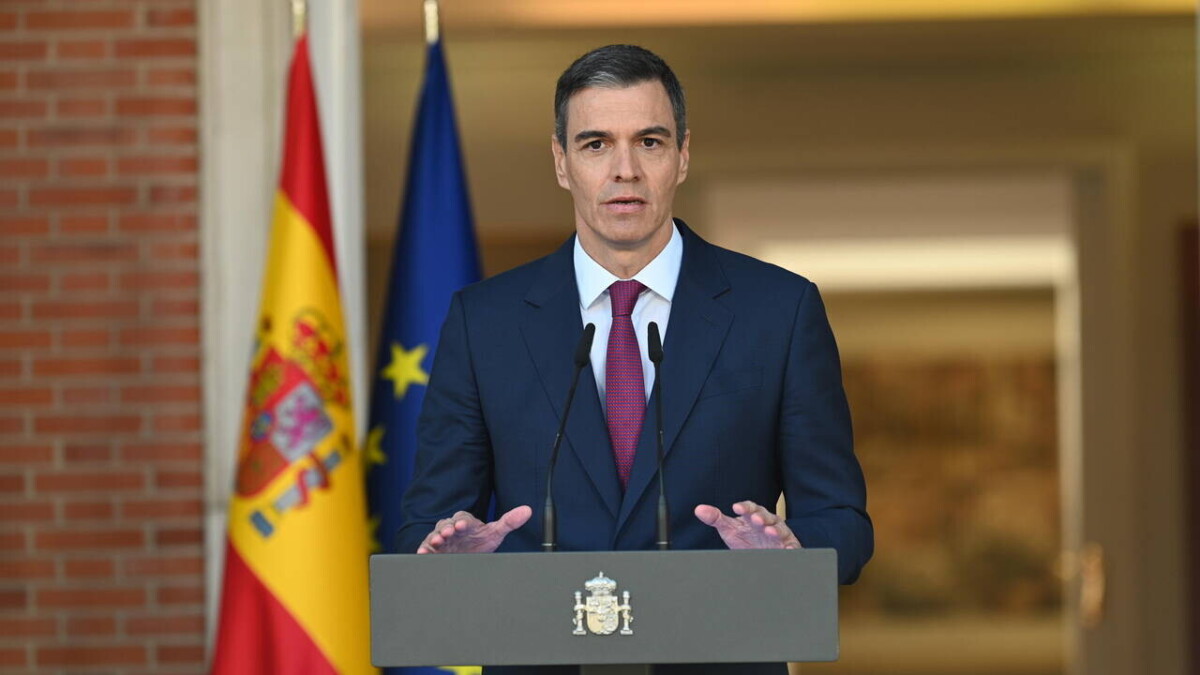
Pedro Sánchez announced on Monday that early parliamentary elections will be held on Sunday, November 29. The Spanish Prime Minister decided to return to the polls after Parliament rejected his coalition's proposed measures to address the housing crisis on Friday. The elections were originally scheduled for mid-2027.
In an address from the Moncloa Palace, the Socialist leader announced the convening of an extraordinary cabinet meeting to dissolve parliament. He hopes to secure a broader progressive majority to pursue the stalled reforms. This decision reflects the difficulties his minority government is facing in garnering the necessary support in Parliament.
The housing crisis hastens the election
The rejection of the housing bills was a major setback for Pedro Sánchez, amidst a wave of social mobilization. On Saturday, tens of thousands of people demonstrated in Madrid and numerous other Spanish cities, demanding affordable housing. Rising rents and the shortage of affordable properties are now central to the political debate.
The eviction of Maricarmen Abascal, an 87-year-old Madrid resident who had lived in her apartment for seven decades, crystallized this anger. After the apartment was bought by an investment company, she was forced to pay a 275% rent increase. Her case sparked protests and the establishment of an activist encampment in the city center.
Sánchez weakened, the right in a favorable position
After eight years in power, the prime minister enters this campaign weakened by several legal cases involving his inner circle, including his wife, his brother, and officials from the Socialist Party . The most recent polls place the People's Party, the main conservative opposition party, ahead of the Socialists. The right wing had been calling for early elections for several months.
Housing is expected to be a major campaign issue. Tourist rentals and property acquisitions by investment funds are accused of reducing the supply for residents and fueling rising prices. By bringing forward the election, Pedro Sánchez is seeking a new mandate to implement his program. On November 29, voters will also have to decide between the parties' responses to a crisis that hastened the end of the legislative term.