Christa Pike was scheduled to become the first woman executed in Tennessee in over two centuries on Wednesday, September 30. Instead of leaving the prison in a hearse, the 50-year-old American, sentenced to death for the 1995 murder and torture of Colleen Slemmer, was taken out in an ambulance. She was administered two doses of pentobarbital, which did not cause her death.
The case actually goes beyond the scope of the failed execution of Christa Pike and echoes a long series of killings that lasted for tens of minutes, sometimes several hours, or had to be abandoned.
Christa Pike: an execution that was supposed to be quick but falls short
The day had already been chaotic. The execution was scheduled to begin at 10:00 a.m., but a federal appeals court suspended it shortly before the scheduled time. The U.S. Supreme Court ultimately authorized the proceedings to resume several hours later. Around 7:30 p.m., Christa Pike was placed on the execution table at the Riverbend Maximum Security Institution in Nashville, with an IV drip in her arm.
She then becomes conscious, speaks with her spiritual advisor, and sings with him. In her final statement, she affirms, "I am ready to be free. This is a happy day." A few minutes later, her demeanor changes. She complains of pain in her arm and asks the staff if this sensation is normal.
At 19:46 p.m., the curtain separating the execution chamber from the witnesses was closed. It reopened three minutes later. The Tennessee protocol specifically stipulates a second administration of pentobarbital if the condemned man is not dead after the first dose. This second dose was therefore administered.
But Christa Pike was still breathing. She seemed to gradually lose consciousness and produced loud snores. Around 19:56 p.m., her head lifted slightly from the table and turned to the side. At 20:06 p.m., the curtain was closed again, this time permanently for the witnesses, who nevertheless continued to hear her breathing behind the partition.
His lawyer, Randy Spivey, requested at approximately 20:22 p.m. that the execution be halted and that emergency medical care be administered. At 20:50 p.m., he learned that an ambulance was en route. Three minutes later, witnesses were asked to leave the scene. Emergency vehicles arrived at the prison around 21:14 p.m.
At least 7 bites in one arm and the cause still unknown
What happened to Christa Pike's body remains to be determined. Her lawyers say they counted at least seven needles inserted into her left arm during attempts to access her veins. According to them, Pike herself indicated to the medical team other locations where they could try to inject her.
The convicted woman suffers from a blood disorder known to her defense, which had specifically warned that accessing her veins could be difficult. One hypothesis put forward by her lawyers is that some of the pentobarbital may have been injected into the tissues of her arm rather than directly into her bloodstream. This point, however, has not been established, and Tennessee has not yet provided any definitive technical explanation.
The Department of Correction maintains that it followed its protocol in its entirety and reiterates that the protocol does not stipulate any additional steps after the administration of the rescue dose. Governor Bill Lee called the incident "deeply troubling ," suspended the other execution scheduled to take place in Tennessee in 2026, and ordered an independent review.
The case is unprecedented in one specific respect. Other condemned prisoners have survived attempted executions because the teams were never able to administer the drug. Christa Pike is the first known case of an inmate who received the intended drugs by lethal injection, twice, before still being alive long enough to be hospitalized.
Four months earlier, Tennessee had already failed with Tony Carruthers
This isn't even the first failure this year at this prison. On May 21, 2026, Tennessee was scheduled to execute Tony Carruthers. Doctors quickly inserted an initial IV line but were unable to establish the second line required by protocol. A subsequent attempt to access a central vein also failed.
For over an hour, the journalists present were unable to see what was happening, as the curtain remained closed while the lines were inserted. Carruthers' lawyer, who was in the room, described her client grimacing and moaning as the team successively tried inserting a central line into his arm, hand, foot, and then the line. She also reported several punctures and a significant amount of blood. Ultimately, no lethal agent was administered, and the execution was called off.
Four months later, both doses were successfully administered to Christa Pike, without causing her death. The contrast between the two cases demonstrates that the difficulties are not limited to the drug itself: even before administration, access to the venous system is one of the main points of failure for lethal injections.
Lethal injection, the dominant method but regularly thwarted
Since the resumption of executions in the United States in the late 1970s, lethal injection has become by far the most widely used method. As of September 29, 2026, 1,683 people had been executed since 1976, including 29 in 2026 alone, before the attempt on Christa Pike's life.
A historical study by Professor Austin Sarat, examining 8,776 executions carried out between 1890 and 2010, classified 276 as "botched." For lethal injection, 75 of the 1,054 executions studied encountered problems meeting this definition, representing 7,2%. This historical rate is not representative of current executions, but it was higher than the rate observed for hanging or the electric chair in the same study.
Drug-related difficulties had already disrupted the system in the early 2010s. The Danish pharmaceutical company Lundbeck restricted the distribution of pentobarbital to prevent its sale for executions. States then sought new suppliers, adopted alternative drugs, or used preparations made by specialized pharmacies. Documents published at the time already noted the use of different substances and the consideration of a return to older methods.
Compound pharmacies have since become a source of pentobarbital for some states. Their products do not follow the same approval process as those from major pharmaceutical manufacturers, and several jurisdictions have adopted rules protecting the identity of their suppliers.
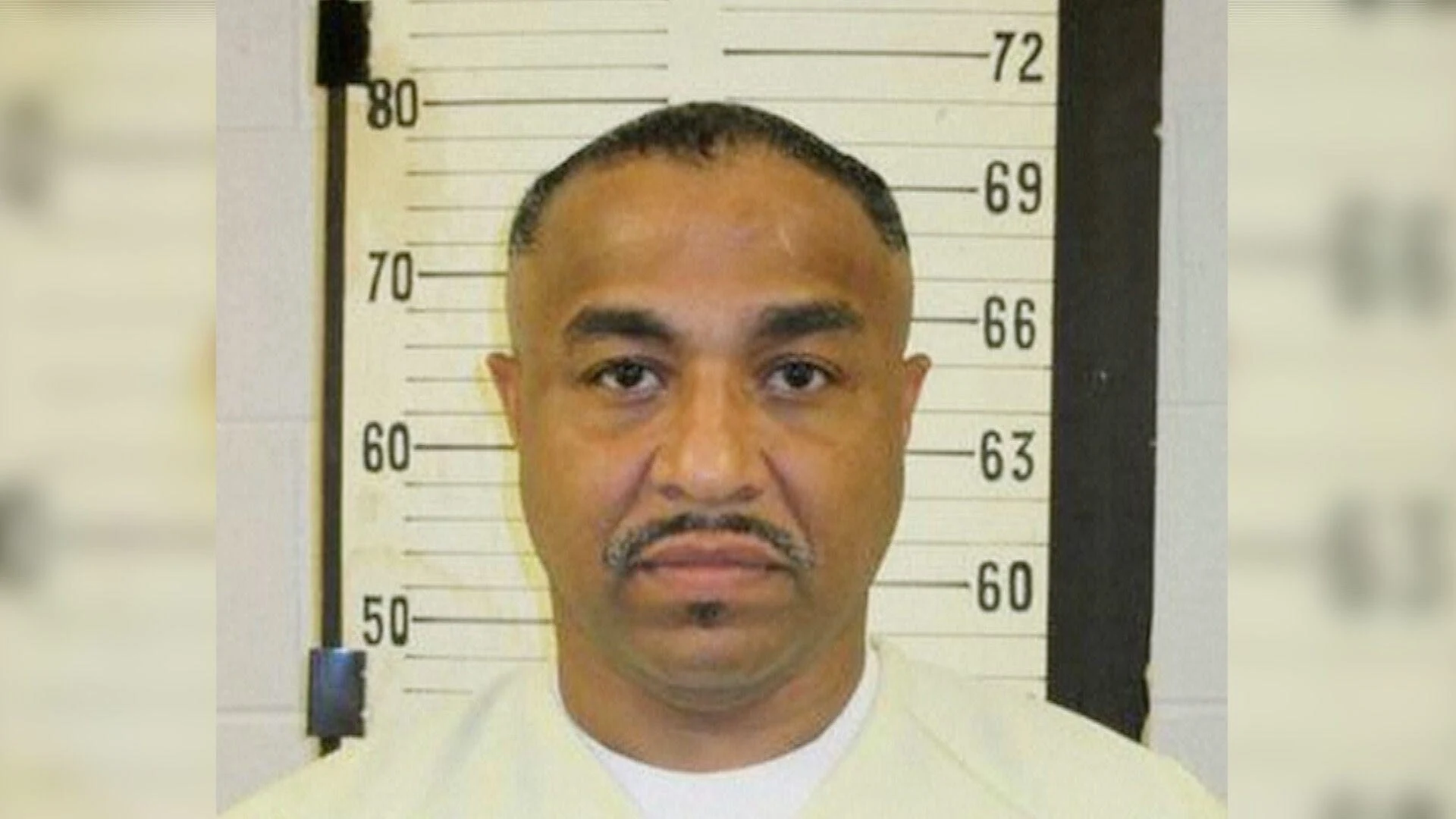
Clayton Lockett: 43 minutes after a misplaced IV drip
One of the most notorious executions remains that of Clayton Lockett on April 29, 2014, in Oklahoma. The state was using a new three-drug protocol at the time. Midazolam began to be administered at 18:23 p.m., and Lockett was declared unconscious ten minutes later. Yet, a few minutes after that, he began moving, speaking, and writhing on the table.
The problem lay with the intravenous line placed near his groin. The infusion failed to deliver the medication properly into the bloodstream, and some of it leaked into the tissues. The procedure was eventually stopped, but it was too late: Lockett died approximately 43 minutes after the administration of the medication began, following cardiac arrest.
His case was already among the most striking documented examples more than ten years ago, when difficulties in obtaining pentobarbital supplies prompted several states to modify their mixtures and procedures.
Dennis McGuire: nearly 26 minutes of panting and suffocating
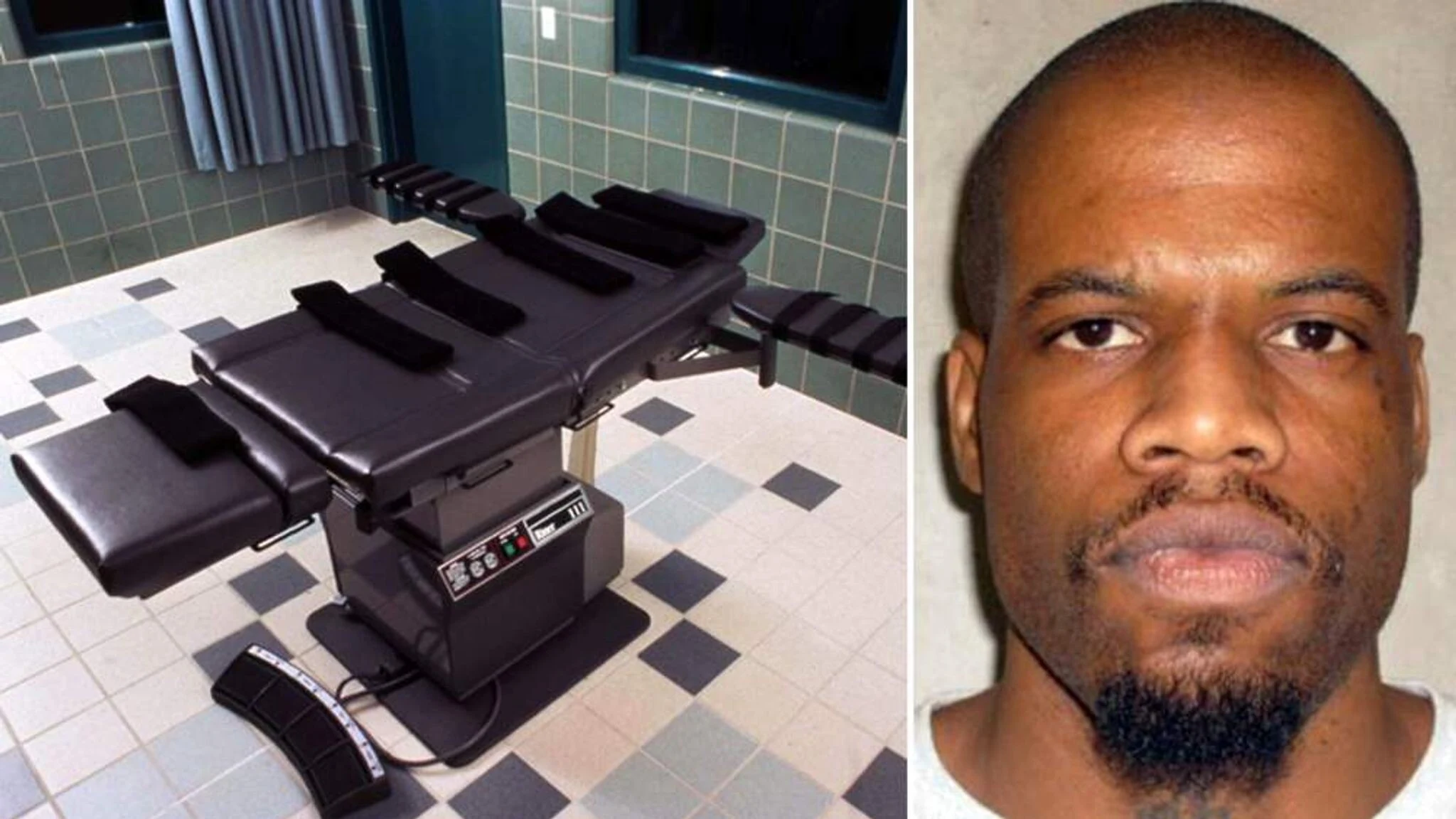
A few months earlier, on January 16, 2014, Ohio had tested a combination of midazolam and hydromorphone on Dennis McGuire for the first time in the United States. The execution lasted approximately 26 minutes from the injection to the declaration of death.
Witnesses described several minutes during which his stomach and chest contracted, while he gasped and made choking or snoring noises. It was impossible to determine with certainty what he was feeling, but the duration and the physical reactions led Ohio to subsequently revise its protocol.
Joseph Wood: nearly two hours and more than 600 gasps
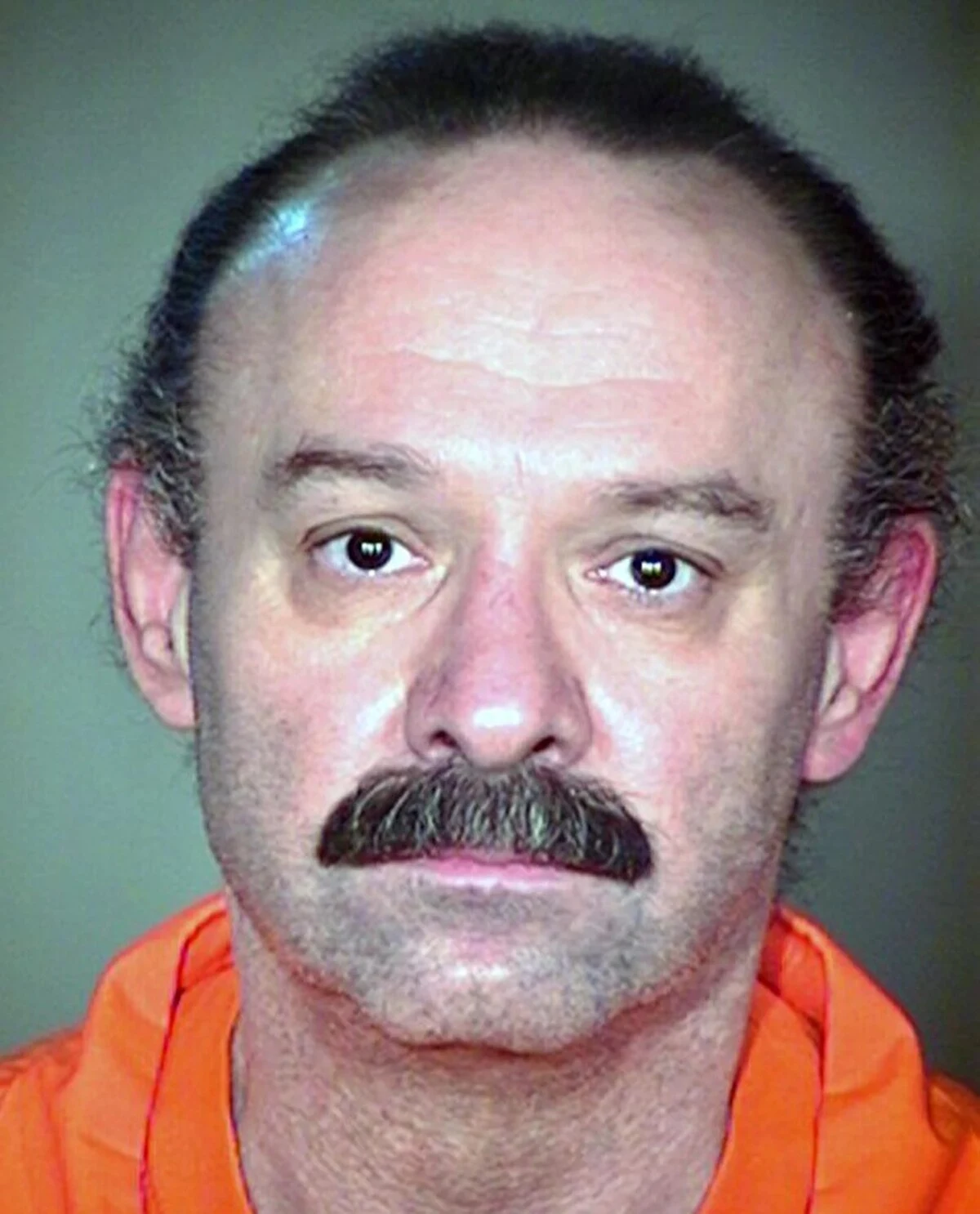
On July 23, 2014, in Arizona, Joseph Wood also received midazolam combined with hydromorphone. The procedure, which was supposed to be quick, ultimately lasted one hour and 57 minutes. Documents released after his death show that his executioners administered fifteen successive injections, for a total of 750 mg of each drug.
Reporters present counted more than 600 breathing movements, which they likened to gasps or suffocation. Arizona authorities disputed this account, stating that Wood was unconscious and that the sounds heard were more like snoring. The governor nevertheless ordered a review of the exceptionally long execution.
Ronald Smith and John Grant: coughing, convulsions and vomiting
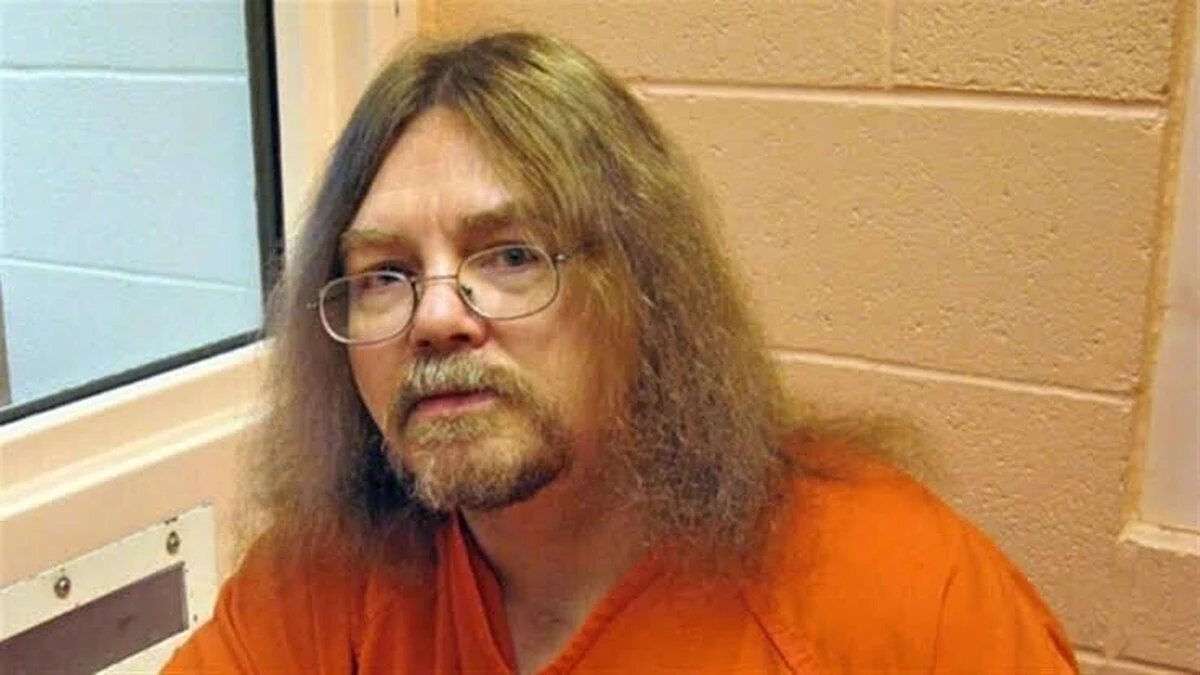
In Alabama, Ronald Smith was executed in December 2016. It took 34 minutes to pronounce him dead. For a period of about thirteen minutes, witnesses saw him cough, raise his torso, clench his left fist, and open one eye, even though protocol should have rendered him deeply unconscious.
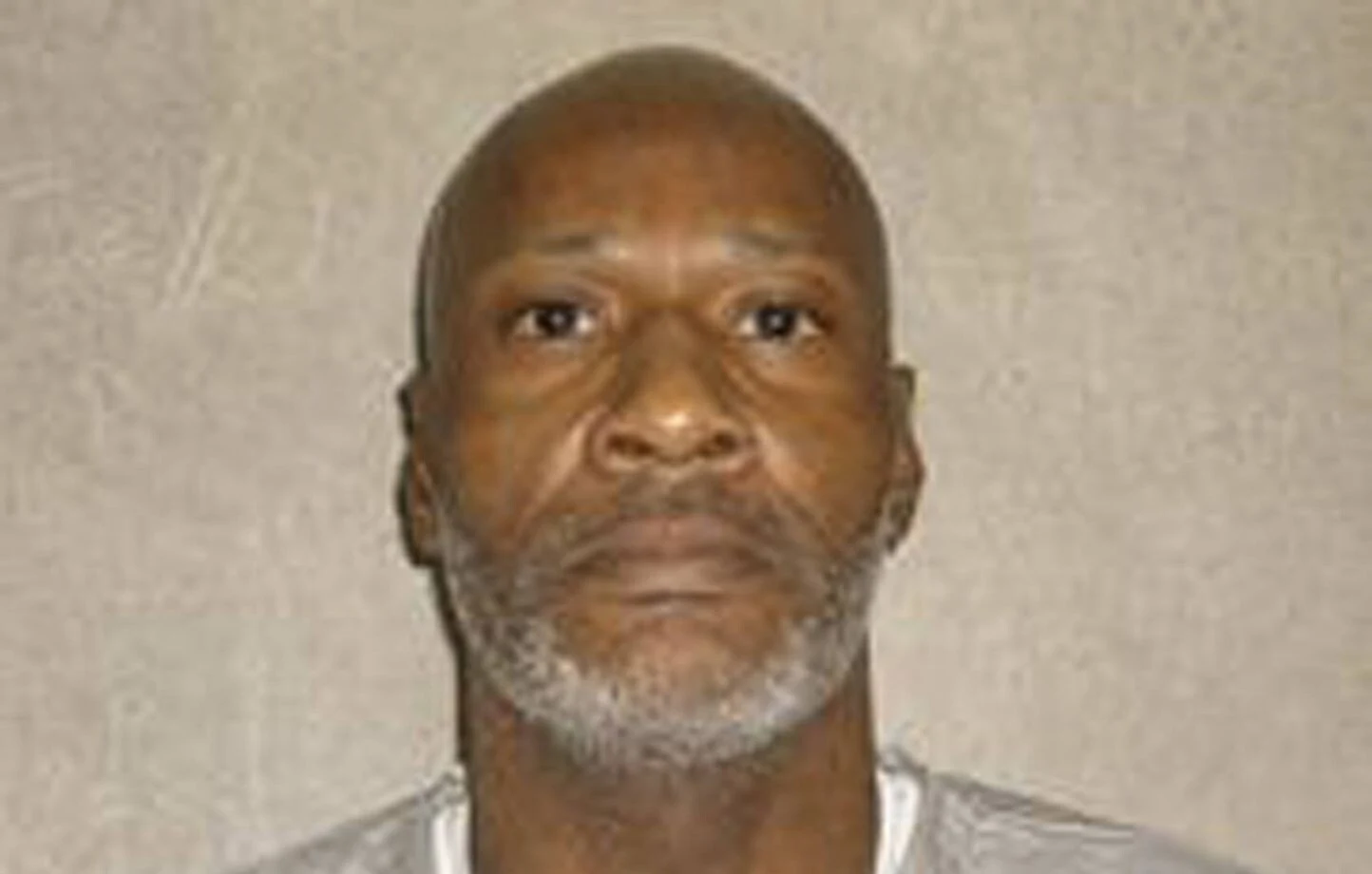
In Oklahoma, John Grant underwent an even more dramatic execution in October 2021. After the injection of midazolam, journalists described nearly two dozen convulsions throughout his body, followed by repeated vomiting for almost fifteen minutes. The prison administration nevertheless maintained that the execution was carried out according to protocol and "without complication."
Romell Broom, Doyle Hamm, Kenneth Smith: those who left the room alive
Christa Pike is not the first person to walk out of an execution chamber alive. In September 2009, in Ohio, the team tasked with executing Romell Broom spent approximately two hours searching for a usable vein. After multiple injections, the governor finally suspended the procedure. No lethal injection could be administered.
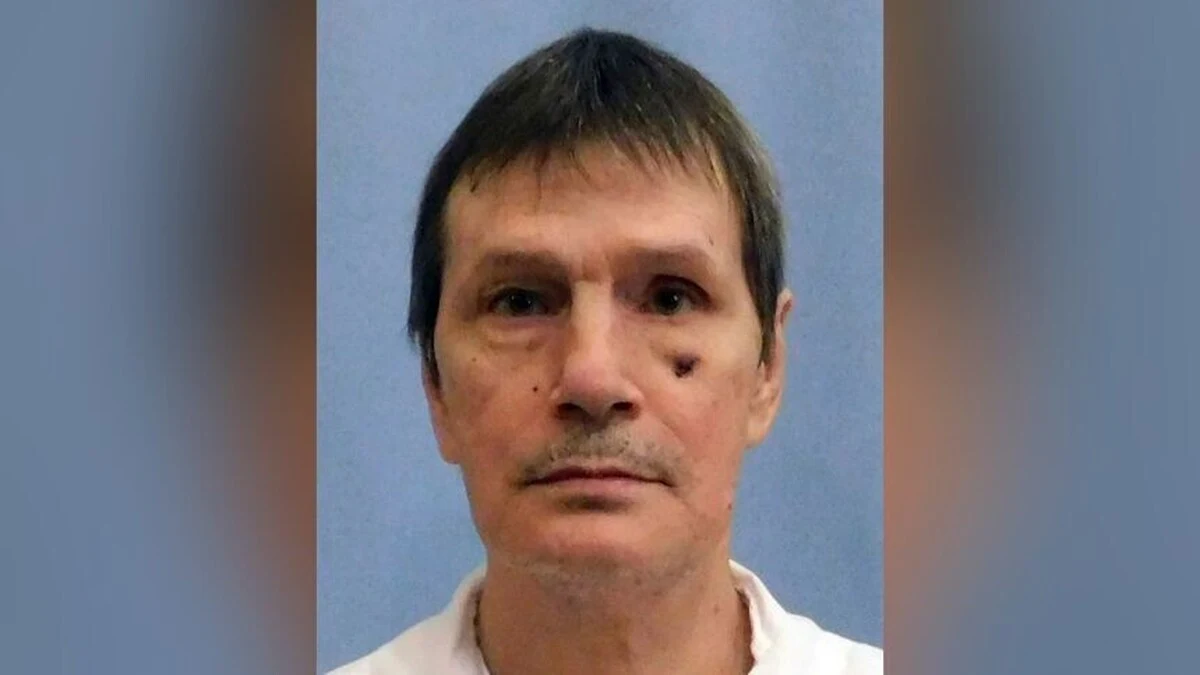
In February 2018, Alabama spent two and a half hours attempting to install a lanyard on Doyle Hamm, who was suffering from lymphoma, among other conditions. A doctor appointed by his defense team subsequently discovered eleven puncture wounds, injuries to his groin, and significant bleeding. The state ultimately reached an agreement to forgo a second execution. Hamm died in prison in 2021 from his illnesses.
In November 2022, also in Alabama, Kenneth Eugene Smith spent hours strapped to the execution table. Staff managed to lay the first track but failed to install the second and then a central track before the execution order expired.
Alabama would try again 15 months later, but with a different method. On January 25, 2024, Kenneth Smith became the first condemned man executed in the United States by nitrogen hypoxia. Witnesses saw him shake his body and struggle for several minutes before his breathing slowed.
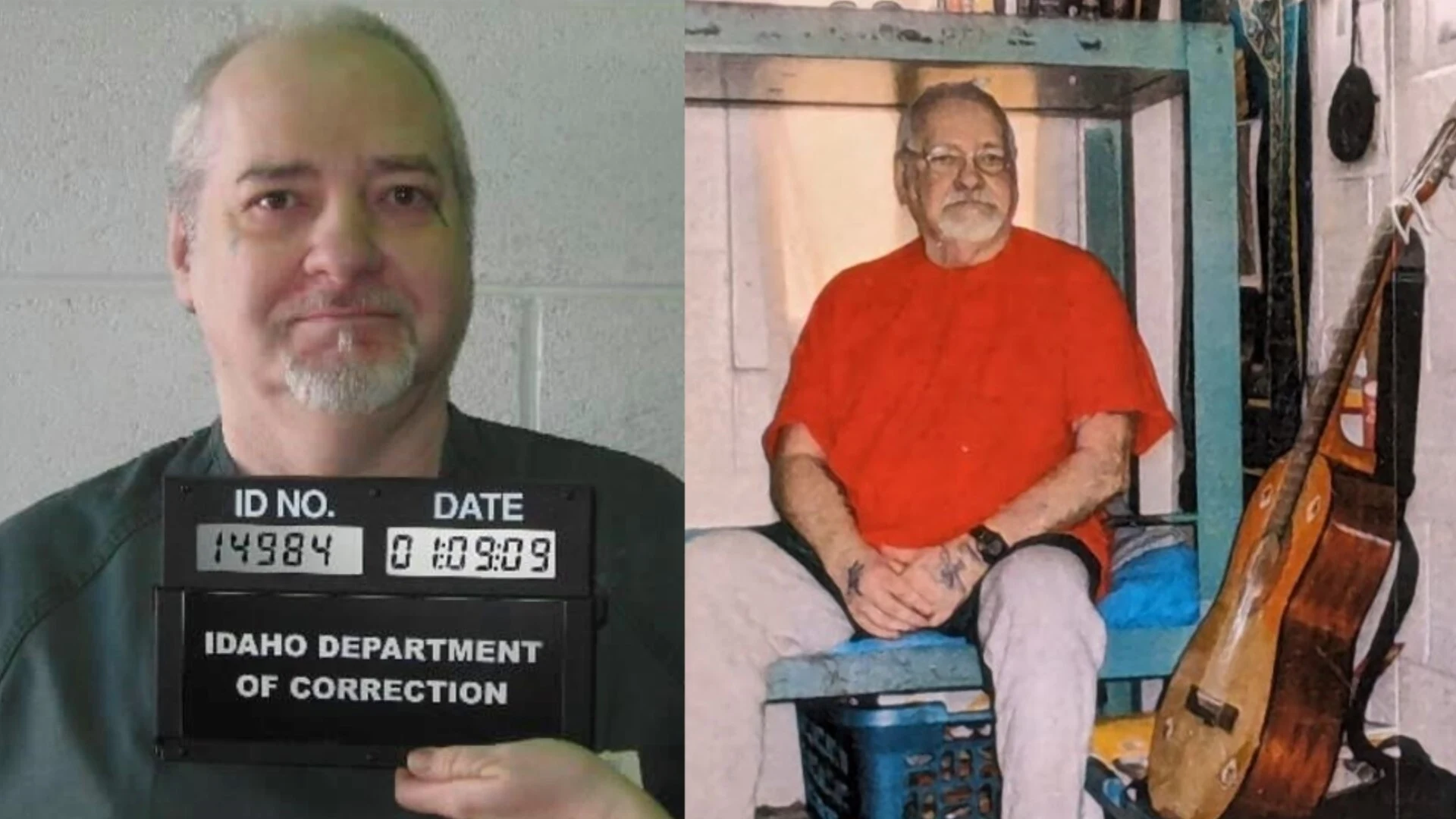
Thomas Creech: 8 attempts before giving up
On February 28, 2024, Idaho was scheduled to execute Thomas Creech by lethal injection. The medical team attempted to insert an IV line eight times, trying different locations on his arms, legs, hands, and feet. Nearly an hour after the procedure began, the administration gave up.
This series of technical failures has prompted some states to plan for deep venous access or to reconsider other methods of execution. Idaho, in particular, modified its procedures after the Creech case to allow for the use of a central venous catheter if conventional IV infusions fail.
Joe Nathan James: more than three hours before his death
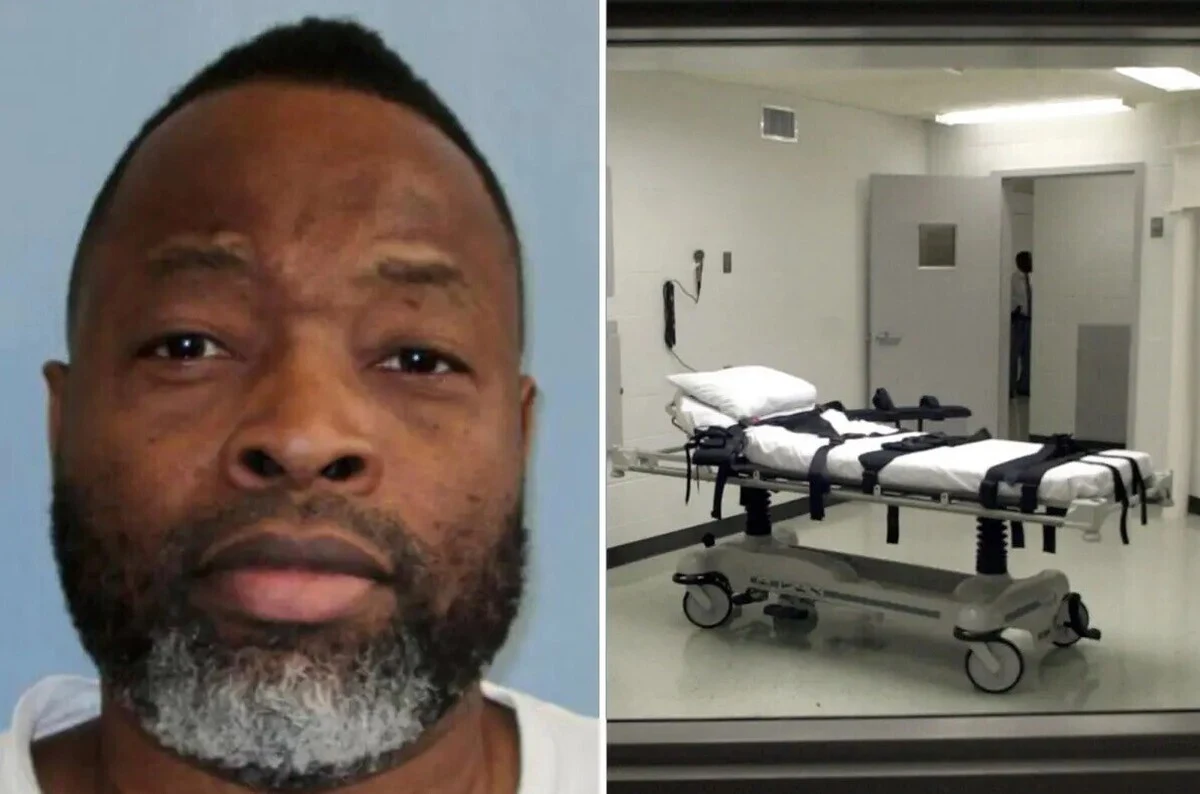
One of the longest cases is that of Joe Nathan James, executed in Alabama on July 28, 2022. His execution was scheduled for 6:00 PM. He was not declared dead until 9:27 PM, after lengthy difficulties in establishing intravenous access.
A private autopsy performed after his death described numerous puncture sites, bruising, and several unexplained incisions on his arms. The interval between the first attempts to administer the IV and his death was estimated at between three and three and a half hours, making it one of the longest lethal injection procedures recorded since the introduction of this method in the United States.
From drug shortages to a return to old methods
The difficulties encountered with lethal injection have gradually led several American states to plan for alternative methods. The firing squad, the electric chair, the gas chamber, or, more recently, nitrogen hypoxia have thus regained a place in the legislation or protocols of certain states.
This trend was already noticeable when European manufacturers began preventing the use of their drugs in American executions. Due to the difficulty in obtaining the substances previously used, some prison administrations modified their drug cocktails, while others reinstated methods that had been abandoned for several years.
In 2026, the US federal government also expanded the methods that could be used for federal executions, notably adding firing squad, electrocution, and gas asphyxiation to the possible procedures.
These changes did not put an end to the incidents. Difficulty finding a vein, poorly positioned infusion, product that does not seem to reach the bloodstream properly, unexpected reactions to medications or procedure interrupted due to lack of time: the causes vary considerably from one case to another.
After Christa Pike, one question remains unanswered.
The Christa Pike case has brought this issue to an unprecedented level. Tennessee didn't simply fail to administer an IV drip: two doses of pentobarbital were given, yet the condemned woman continued to breathe for over an hour before being transferred to a hospital. The precise cause of this failure remains unknown.
Colleen Slemmer's mother, present to witness the execution of her daughter's murderer, also left the prison distraught. "I did not get justice for my daughter ," she declared after seeing Christa Pike still conscious and moving during part of the proceedings.
The independent report ordered by the governor must now determine how two doses of pentobarbital failed, whether the IV lines were functioning properly, to what extent Christa Pike's blood disorder played a role, and at what precise moment the attempted execution turned into a rescue operation. Until these answers are available, Tennessee has suspended executions for the remainder of the year.