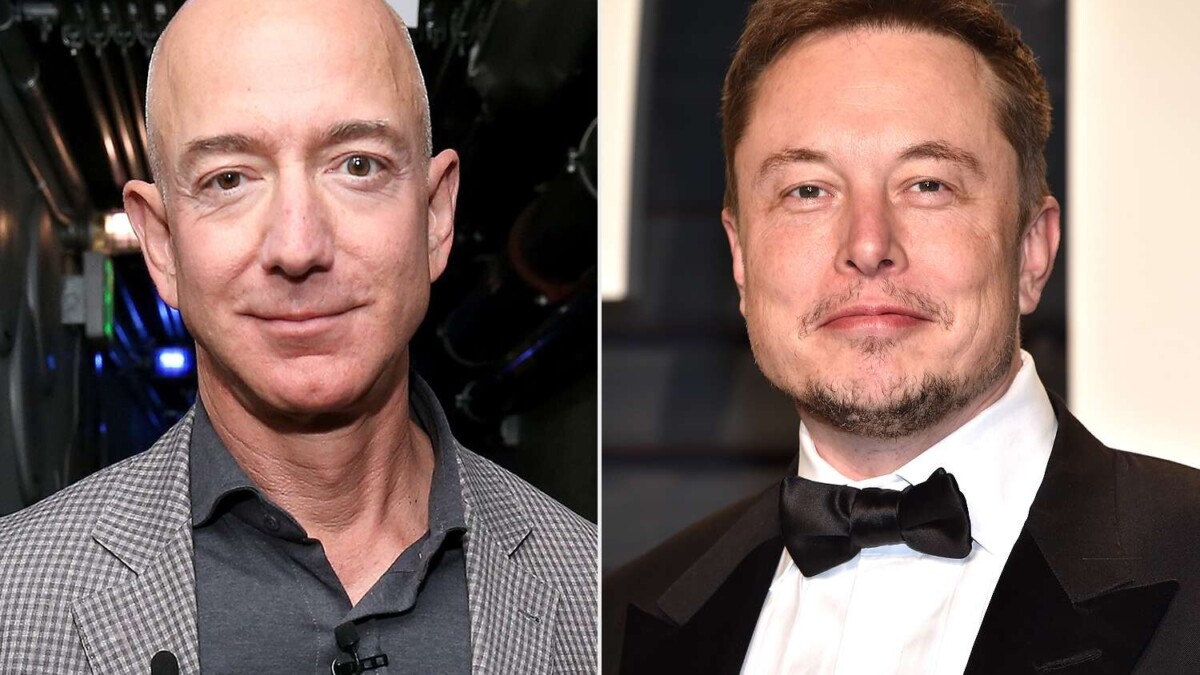
Here are Elon Musk and Jeff Bezos sizing each other up from afar again, with small jabs and big ambitions, like two captains determined to plant their flag higher than the other. The race to the Moon, relaunched by NASA’s Artemis program, sets the stage for a rivalry that goes beyond technology: there is industrial performance, of course, but also the battle of the narrative, that of the “first” and the “most reliable.” You can sense it coming, this mix of rockets and ego, where every test becomes an argument and every public message a pressure tactic.
The Moon, playground… and communication platform
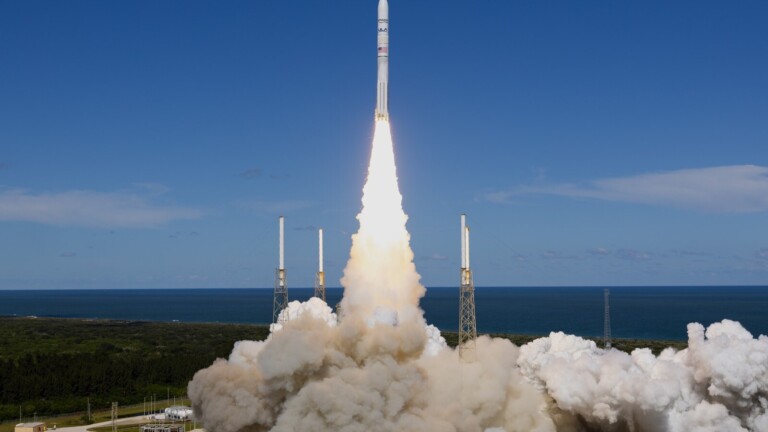
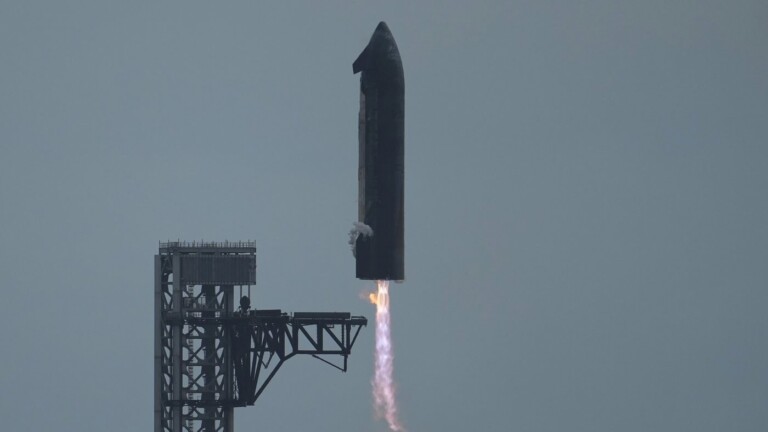
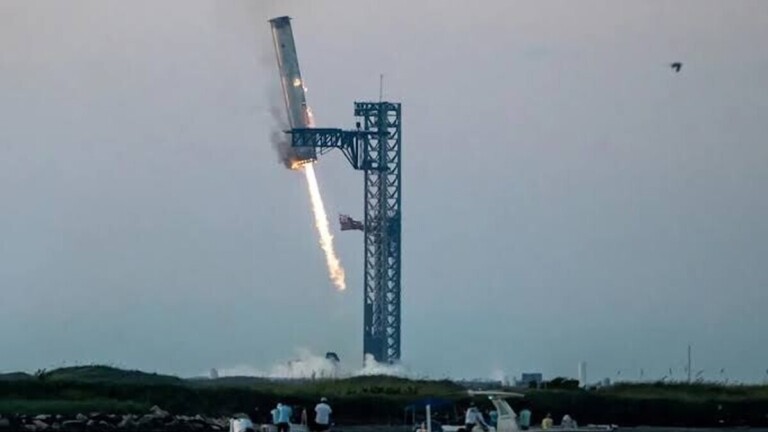
At Blue Origin, the tone has changed since the arrival of David Limp, former Amazon executive recruited at the end of 2023 to get the operation back on track. For a long time, the company founded in 2000 was mainly associated with the BE-3 engine and the small reusable New Shepard launcher, which takes tourists flirting with space, below the 100-kilometer altitude mark. Now, it’s time to grow up: New Glenn, a heavy launcher under scrutiny, and Blue Moon, the lunar lander adapted to meet NASA’s needs. Opposite them, SpaceX maintains a lead with Starship, a behemoth as promising as it is temperamental, whose test cadence impresses as much as it worries when talking about crewed schedules.
The confrontation is measured above all in public dollars. In 2021, NASA awarded SpaceX the main crewed lunar lander contract, around $2.9 billion, a choice contested by Blue Origin, which then felt shut out. Two years later, the agency expanded the field by awarding Blue Origin a second contract, estimated at $3.4 billion, for a later Artemis mission, so as not to put all its hopes on a single engine. One stubborn reality remains: in this sector, communication makes noise, but it is the dates met, the systems that fly, and the risks controlled that ultimately write the next chapter.