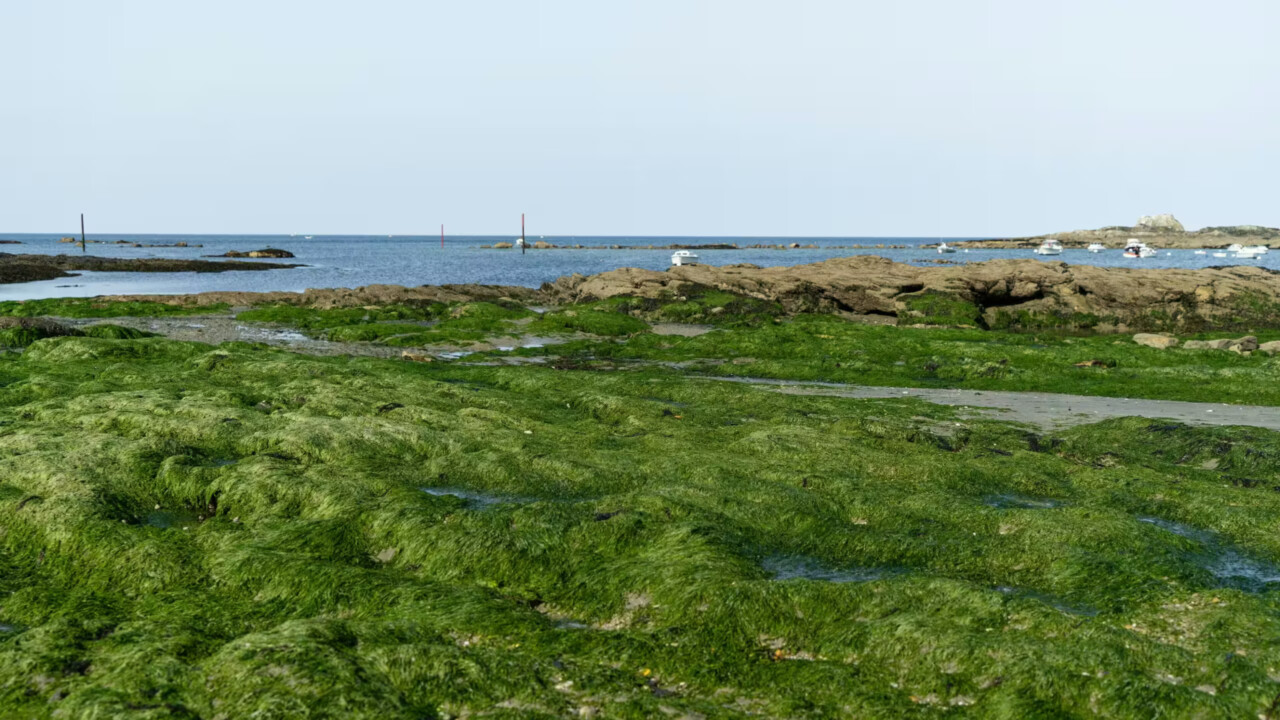
Five years after its initial, highly critical report, the Court of Auditors has found that progress against green algae remains insufficient in Brittany. Only a third of its recommendations have been fully implemented. Nitrate concentrations in waterways have decreased over the past ten years, but this improvement is slowing and still does not prevent mass strandings.
Several weaknesses persist in the public strategy. Approximately 80% of the algae accumulate in mudflats, where little intervention is carried out. The Court also notes a lack of scientific modeling, insufficient environmental conditions attached to aid granted to farmers and agri-food businesses, and incomplete access to livestock data for the enforcement agencies.
New rules after the state's conviction
Over 90% of the nitrates that fuel the proliferation of green algae are believed to originate from agricultural sources, particularly intensive livestock farming. Since 2010, seven successive plans have failed to provide a lasting solution to the problem. The consequences extend beyond visual pollution: beach closures, difficulties for oyster farmers, and the release of hydrogen sulfide during algae decomposition, a potentially lethal gas.
Convicted in March 2025 for its inadequate response, the French government has strengthened its strategy since September 1st. New regulations now apply to 20% of Brittany's agricultural land, considered the most vulnerable. These regulations include more frequent soil analyses, improved monitoring of fertilizers, and the restoration of wetlands. After half a century of efforts, however, the effectiveness of these measures will depend on the actual monitoring carried out and their ability to sustainably reduce nitrate inputs.