Israeli Prime Minister Benjamin Netanyahu has publicly endorsed the planned strike against Doha in September 2025, describing Qatar as a "hostile state" during a televised interview. These statements come amid escalating tensions between Doha, Tel Aviv, and Tehran.
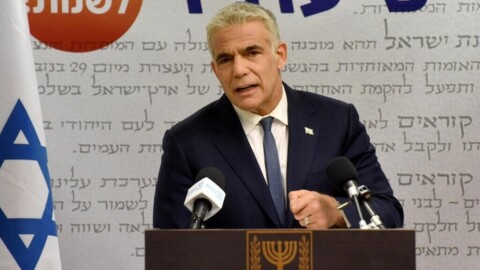
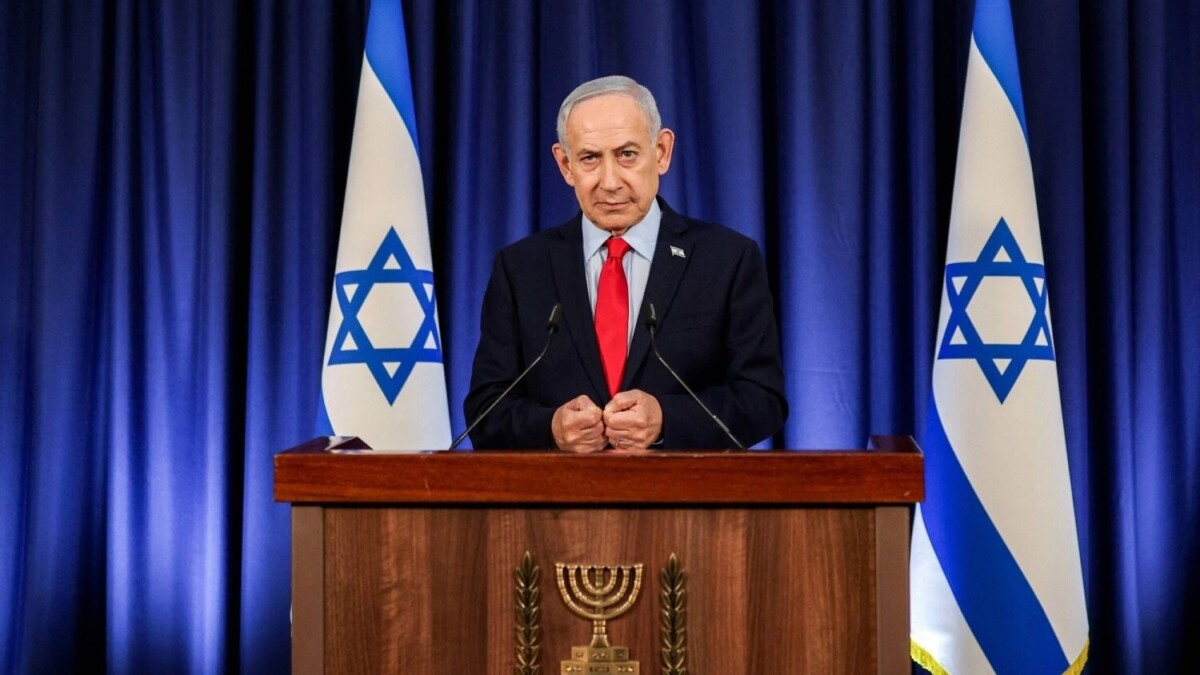
“ Qatar is a hostile state; it is not a state that dictated anything here,” Benjamin Netanyahu declared on the Israeli channel i24NEWS. The Israeli prime minister went further, personally taking responsibility for the attack on the Qatari capital: “I attacked Qatar, I also bombed it.”
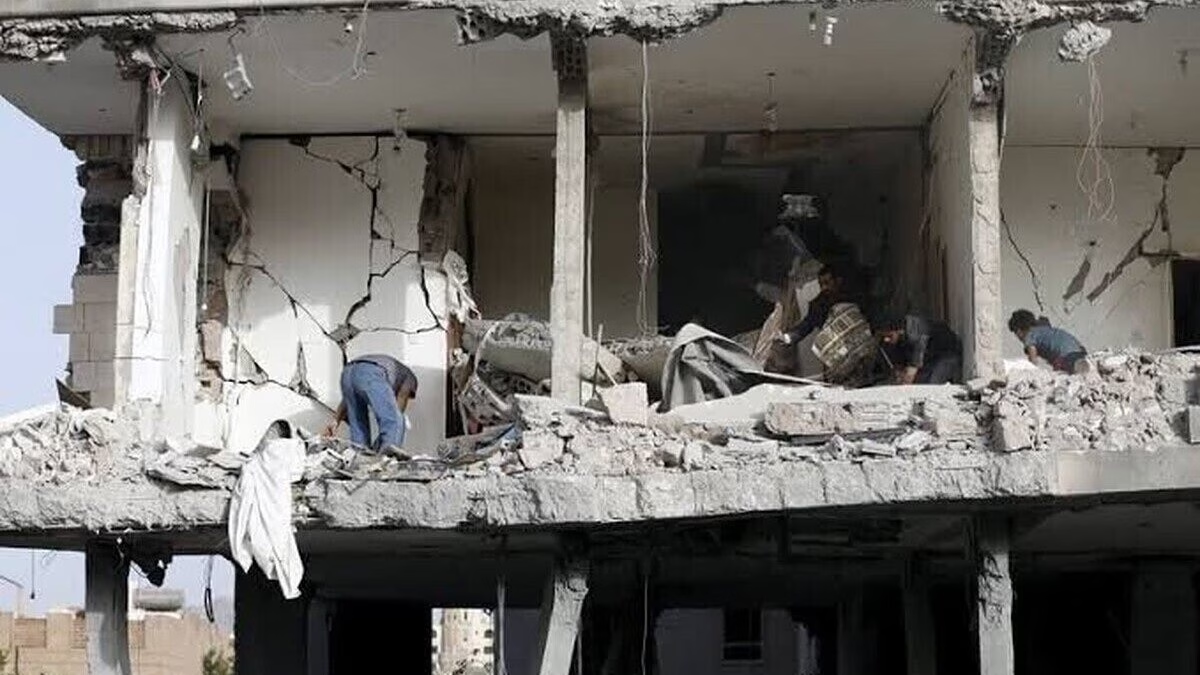
The strike in question dates back to September 2025. It targeted senior Hamas officials in Doha for ceasefire negotiations in Gaza , which were backed by Washington . Six people were killed, including a member of the Qatari security forces. Hamas claimed at the time that its negotiators had survived. Doha condemned the operation as a violation of its sovereignty.
A few weeks after the strike, Netanyahu apologized to Qatar during a phone call attended by US President Donald Trump and the Qatari Prime Minister , pledging not to conduct any such operation again.
These new statements are part of Netanyahu's defense against criticism of Qatari fund transfers to Gaza prior to the Hamas attacks of October 7, 2023. He maintained that these funds served humanitarian purposes and that their delivery had been recommended by Israeli security services. Qatar, for its part, reiterates that it does not finance Hamas and that its aid is channeled through mechanisms known to Israel and the United States . Doha has not publicly responded to the Israeli Prime Minister's latest remarks.
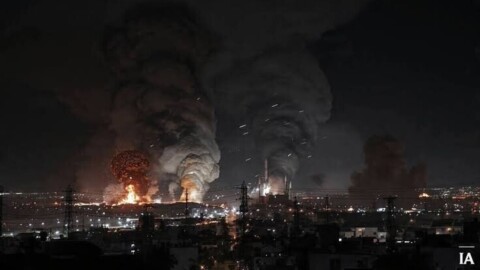
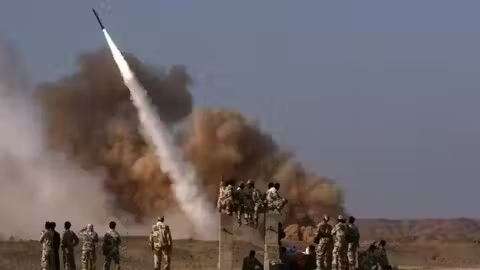
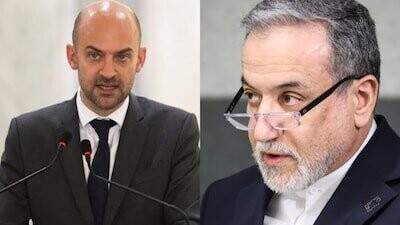
On another front, Qatar and Iran are clashing over the interpretation of Iranian missile and drone strikes targeting Qatari territory. Iranian Foreign Ministry spokesman Esmaeil Baghaei cited a Qatari security assessment prepared for the International Telecommunication Union, stating that it concluded the Iranian strikes targeted US military installations and not civilian areas, with the exception of an attack on gas infrastructure in Ras Laffan in March.
Qatari Foreign Ministry spokesman Majed Al Ansari rejected this interpretation, accusing Tehran of quoting the document out of context. “If the Iranian side wishes to refer to official documentation, we invite them to consult the dossier formally submitted by the State of Qatar to the United Nations ,” he stated. This dossier details Iranian missiles flying over civilian, commercial, and residential areas, and indicates that previous attacks have caused damage and injuries.
Al Ansari also rejected Iran's characterization of the Ras Laffan attack as "alleged," asserting that it had been officially documented. "The State of Qatar is not a party to this conflict," it insisted, adding that strikes targeting Qatari territory could not be presented as legitimate responses.
On Friday, Doha sent letters to the UN Secretary-General and the President of the Security Council, rejecting Tehran 's legal justification for the February 28 attacks. Qatari authorities asserted that Iran remained responsible under international law and that Qatar retained the right to defend itself and seek compensation. Doha announced that it would continue its diplomatic efforts to help ease regional tensions.